If you have any questions, you are always welcome to contact us. We'll get back to you as soon as possible, withing 24 hours on weekdays.
Customer service
All questions about your order, return and delivery must be sent to our customer service team by e-mail at yourstore@yourdomain.com
Sale & Press
If you are interested in selling our products, need more information about our brand or wish to make a collaboration, please contact us at press@yourdomain.com
Help
If you have any questions, you are always welcome to contact us. We'll get back to you as soon as possible, withing 24 hours on weekdays.
Customer service
All questions about your order, return and delivery must be sent to our customer service team by e-mail at yourstore@yourdomain.com
Sale & Press
If you are interested in selling our products, need more information about our brand or wish to make a collaboration, please contact us at press@yourdomain.com
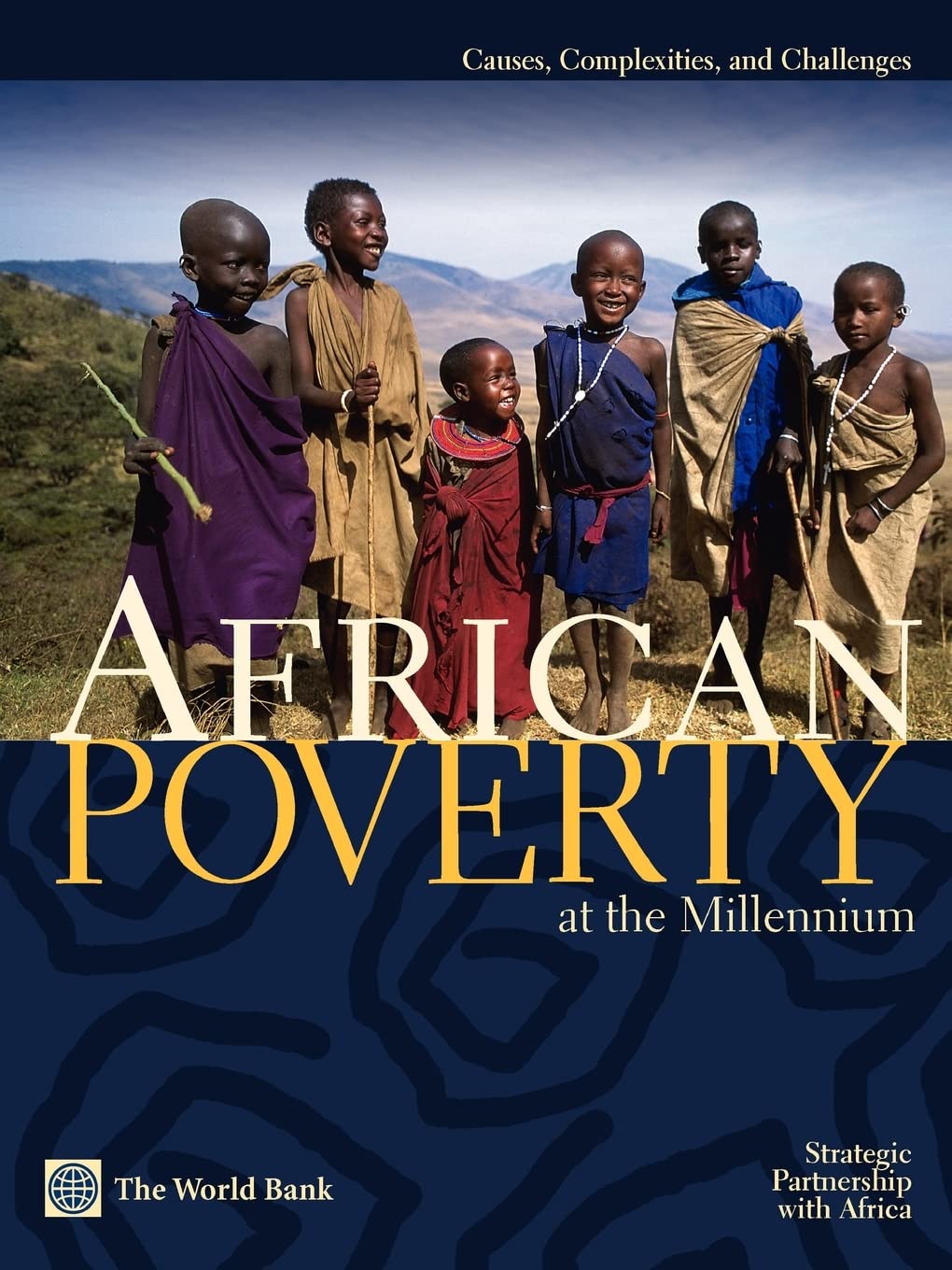
Poverty is a large and growing problem in Africa resulting in an immense amount of avoidable suffering, foreshortened lives, frustrated potentials, and joyless existences. The poverty trap is more than just an economic phenomenon but a social phenomenon as well. 'African Poverty at the Millennium: Causes, Complexities, and Challenges' is confined to the subSaharan region of Africa. The analysis found in Part I of this book, emphasizes the manysided nature of poverty and the importance of going beyond generalizations about the poor. Part II looks at the various causes of poverty in Africa, stressing the powerful illeffects of a combination of sluggish past economic growth and large, possibly widening, inequalities. It also draws attention to the strength of the social and political factors contributing to poverty. Part III outlines an antipoverty strategy, highlighting the necessity for an inclusive and farreaching approach, on the basis of joint action by concerned governments and donors. The poor in Africa are triply disadvantaged. Firstly, there is a widening international gap as African social indicators lag behind the rest of the world, partly as a result of poor growth. Secondly, by Africa's poor performance in turning income to social welfare. Thirdly, by national disparities in health and education between the poor and nonpoor.
⚠️ WARNING (California Proposition 65):
This product may contain chemicals known to the State of California to cause cancer,
birth defects, or other reproductive harm.
For MAP (Minimum Advertised Price) violations and Intellectual Property (IP) or Trademark concerns, please contact:
support@ergodebooks.com
⚠️ California Proposition 65 Warning: Some products sold on this website may expose you to chemicals known to the State of California to cause cancer, birth defects, or other reproductive harm. For more information, visit www.P65Warnings.ca.gov.