If you have any questions, you are always welcome to contact us. We'll get back to you as soon as possible, withing 24 hours on weekdays.
Customer service
All questions about your order, return and delivery must be sent to our customer service team by e-mail at yourstore@yourdomain.com
Sale & Press
If you are interested in selling our products, need more information about our brand or wish to make a collaboration, please contact us at press@yourdomain.com
Help
If you have any questions, you are always welcome to contact us. We'll get back to you as soon as possible, withing 24 hours on weekdays.
Customer service
All questions about your order, return and delivery must be sent to our customer service team by e-mail at yourstore@yourdomain.com
Sale & Press
If you are interested in selling our products, need more information about our brand or wish to make a collaboration, please contact us at press@yourdomain.com
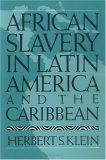
A Leading Authority On Latin American Slavery Has Produced A Major And Original Work On The Subject. Covering Not Only Spanish But Also Portuguese And French Regions, And Encompassing The Latest Research On The Plantation System As Well As On Mining And The Urban Experience, The Book Brings Together The Recent Findings On Demography, The Slave Trade, The Construction Of The Slave Community And Afroamerican Culture. The Book Also Sheds New Light On The Processes Of Accommodation And Rebellion And The Experience Of Emancipation. Klein First Traces The Evolution Of Slavery And Forced Labor Systems In Europe, Africa, And America, And Then Depicts The Life And Culture Which Some Twelve Million Slaves Transported From Africa Over Five Centuries Experiences In The Latin American And Caribbean Regions. Particular Emphasis Is On The Evolution Of The Sugar Plantation Economy, The Single Largest User Of African Slave Labor. The Book Examines Attempts Of The African And Americanborn Slaves To Create A Viable And Autonomous Culture, Including Their Adaptation Of European Languages, Religions, And Even Kinship Systems To Their Own Needs. Klein Also Describes The Type And Intensity Of Slave Rebellions. Finally The Book Considers The Important And Differing Role Of The 'Free Colored' Under Slavery, Noting The Unique Situation Of The Brazilian Free Colored As Well As The Unusual Mobility Of The Free Colored In The French West Indies. The Book Concludes With A Look At The Postemancipation Integration Patterns In The Different Societies, Analyzing The Relative Success Of The Exslaves In Obtaining Control Over Land And Escaping From The Old Plantation Regimes.
⚠️ WARNING (California Proposition 65):
This product may contain chemicals known to the State of California to cause cancer,
birth defects, or other reproductive harm.
For MAP (Minimum Advertised Price) violations and Intellectual Property (IP) or Trademark concerns, please contact:
support@ergodebooks.com
⚠️ California Proposition 65 Warning: Some products sold on this website may expose you to chemicals known to the State of California to cause cancer, birth defects, or other reproductive harm. For more information, visit www.P65Warnings.ca.gov.