If you have any questions, you are always welcome to contact us. We'll get back to you as soon as possible, withing 24 hours on weekdays.
Customer service
All questions about your order, return and delivery must be sent to our customer service team by e-mail at yourstore@yourdomain.com
Sale & Press
If you are interested in selling our products, need more information about our brand or wish to make a collaboration, please contact us at press@yourdomain.com
Help
If you have any questions, you are always welcome to contact us. We'll get back to you as soon as possible, withing 24 hours on weekdays.
Customer service
All questions about your order, return and delivery must be sent to our customer service team by e-mail at yourstore@yourdomain.com
Sale & Press
If you are interested in selling our products, need more information about our brand or wish to make a collaboration, please contact us at press@yourdomain.com
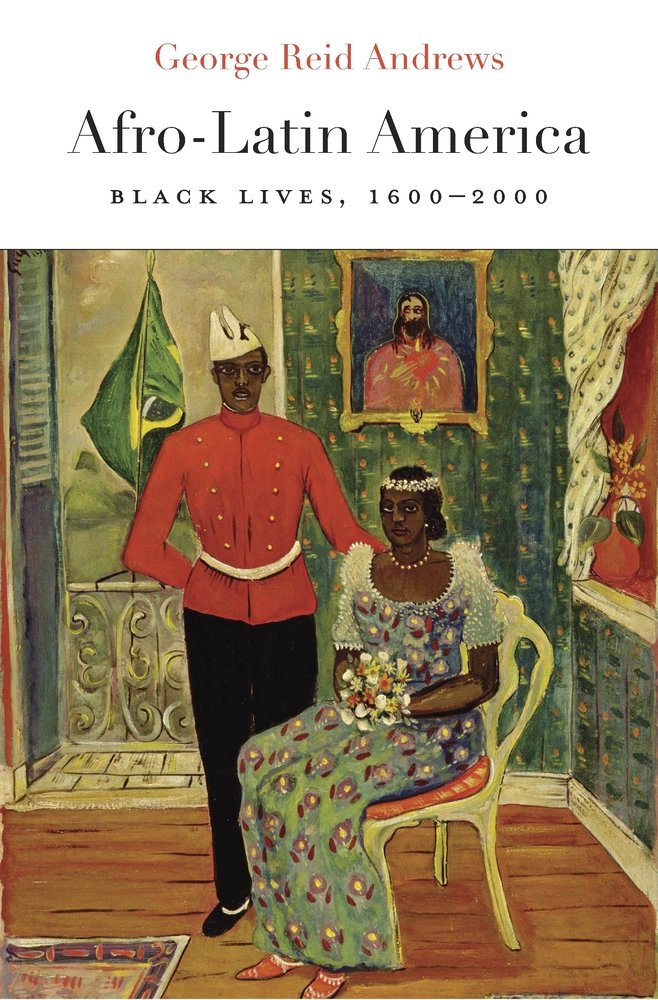
Of the almost 11 million Africans who came to the Americas between 1500 and 1870, twothirds came to Spanish America and Brazil. Over four centuries, Africans and their descendantsboth free and enslavedparticipated in the political, social, and cultural movements that indelibly shaped their countries colonial and postindependence pasts. Yet until very recently AfroLatin Americans were conspicuously excluded from narratives of their hemispheres history.George Reid Andrews seeks to redress this damaging omission by making visible the past and present lives and labors of black Latin Americans in their New World home. He cogently reconstructs the AfroLatin heritage from the paper trail of slavery and freedom, from the testimonies of individual black men and women, from the writings of visiting AfricanAmericans, and from the efforts of activists and scholars of the twentieth century to bring the AfroLatin heritage fully into public view.While most Latin American countries have acknowledged the legacy of slavery, the story still told throughout the region is one of racial democracythe supposedly successful integration and acceptance of African descendants into society. From the 1970s to today, black civil rights movements have challenged that narrative and demanded that its promises of racial equality be made real. They have also called for fuller acknowledgment of AfroLatin Americans centrality in their countries national histories. AfroLatin America brings that story up to the present, examining debates currently taking place throughout the region on how best to achieve genuine racial equality.
⚠️ WARNING (California Proposition 65):
This product may contain chemicals known to the State of California to cause cancer,
birth defects, or other reproductive harm.
For MAP (Minimum Advertised Price) violations and Intellectual Property (IP) or Trademark concerns, please contact:
support@ergodebooks.com
⚠️ California Proposition 65 Warning: Some products sold on this website may expose you to chemicals known to the State of California to cause cancer, birth defects, or other reproductive harm. For more information, visit www.P65Warnings.ca.gov.