If you have any questions, you are always welcome to contact us. We'll get back to you as soon as possible, withing 24 hours on weekdays.
Customer service
All questions about your order, return and delivery must be sent to our customer service team by e-mail at yourstore@yourdomain.com
Sale & Press
If you are interested in selling our products, need more information about our brand or wish to make a collaboration, please contact us at press@yourdomain.com
Help
If you have any questions, you are always welcome to contact us. We'll get back to you as soon as possible, withing 24 hours on weekdays.
Customer service
All questions about your order, return and delivery must be sent to our customer service team by e-mail at yourstore@yourdomain.com
Sale & Press
If you are interested in selling our products, need more information about our brand or wish to make a collaboration, please contact us at press@yourdomain.com
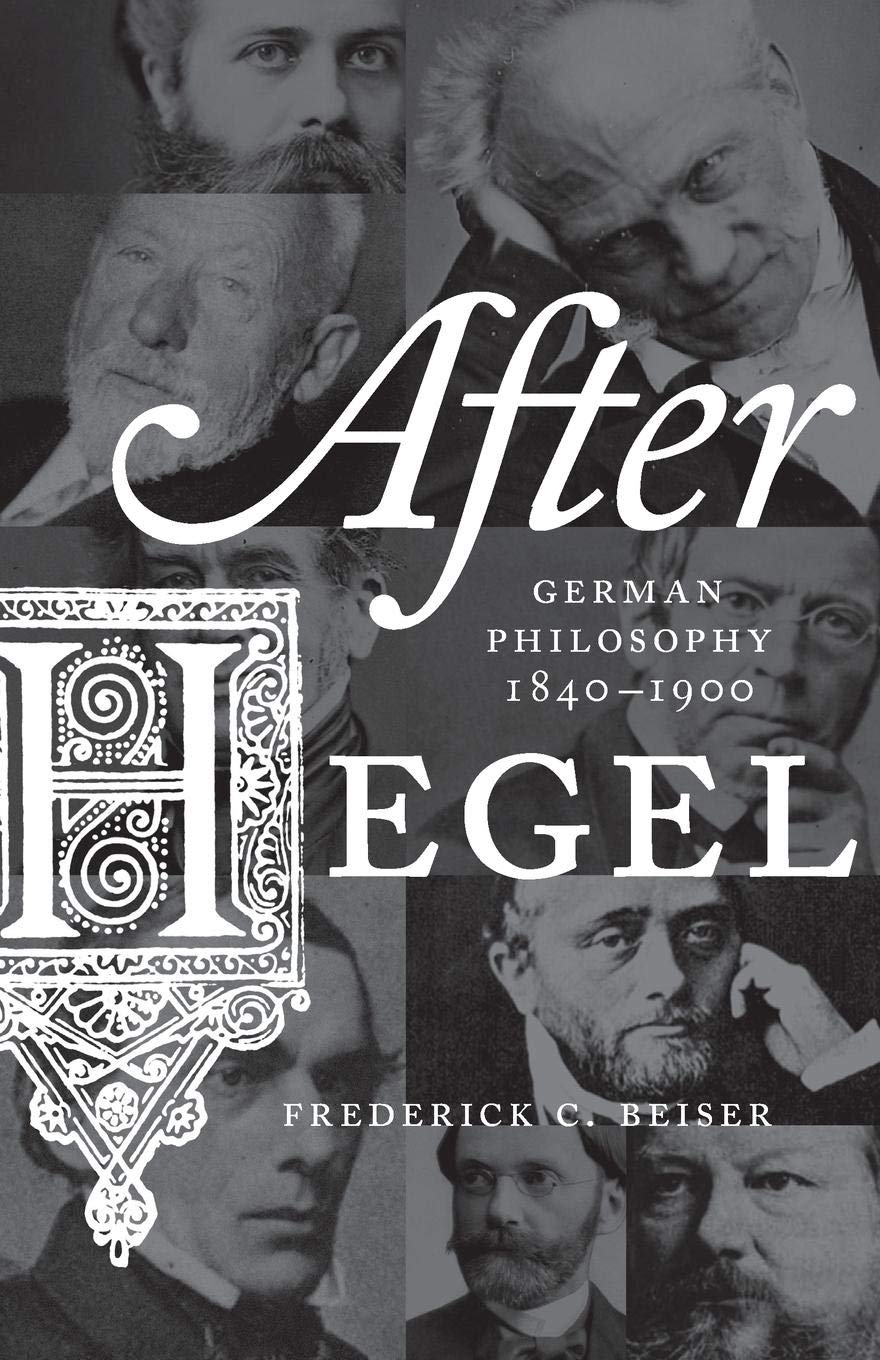
Histories of German philosophy in the nineteenth century typically focus on its first halfwhen Hegel, idealism, and Romanticism dominated. By contrast, the remainder of the century, after Hegel's death, has been relatively neglected because it has been seen as a period of stagnation and decline. But Frederick Beiser argues that the second half of the century was in fact one of the most revolutionary periods in modern philosophy because the nature of philosophy itself was up for grabs and the very absence of certainty led to creativity and the start of a new era. In this innovative concise history of German philosophy from 1840 to 1900, Beiser focuses not on themes or individual thinkers but rather on the periods five great debates: the identity crisis of philosophy, the materialism controversy, the methods and limits of history, the pessimism controversy, and the Ignorabimusstreit. Schopenhauer and Wilhelm Dilthey play important roles in these controversies but so do many neglected figures, including Ludwig Bchner, Eugen Dhring, Eduard von Hartmann, Julius Fraunstaedt, Hermann Lotze, Adolf Trendelenburg, and two women, Agnes Taubert and Olga Pluemacher, who have been completely forgotten in histories of philosophy. The result is a wideranging, original, and surprising new account of German philosophy in the critical period between Hegel and the twentieth century.
⚠️ WARNING (California Proposition 65):
This product may contain chemicals known to the State of California to cause cancer,
birth defects, or other reproductive harm.
For MAP (Minimum Advertised Price) violations and Intellectual Property (IP) or Trademark concerns, please contact:
support@ergodebooks.com
⚠️ California Proposition 65 Warning: Some products sold on this website may expose you to chemicals known to the State of California to cause cancer, birth defects, or other reproductive harm. For more information, visit www.P65Warnings.ca.gov.