
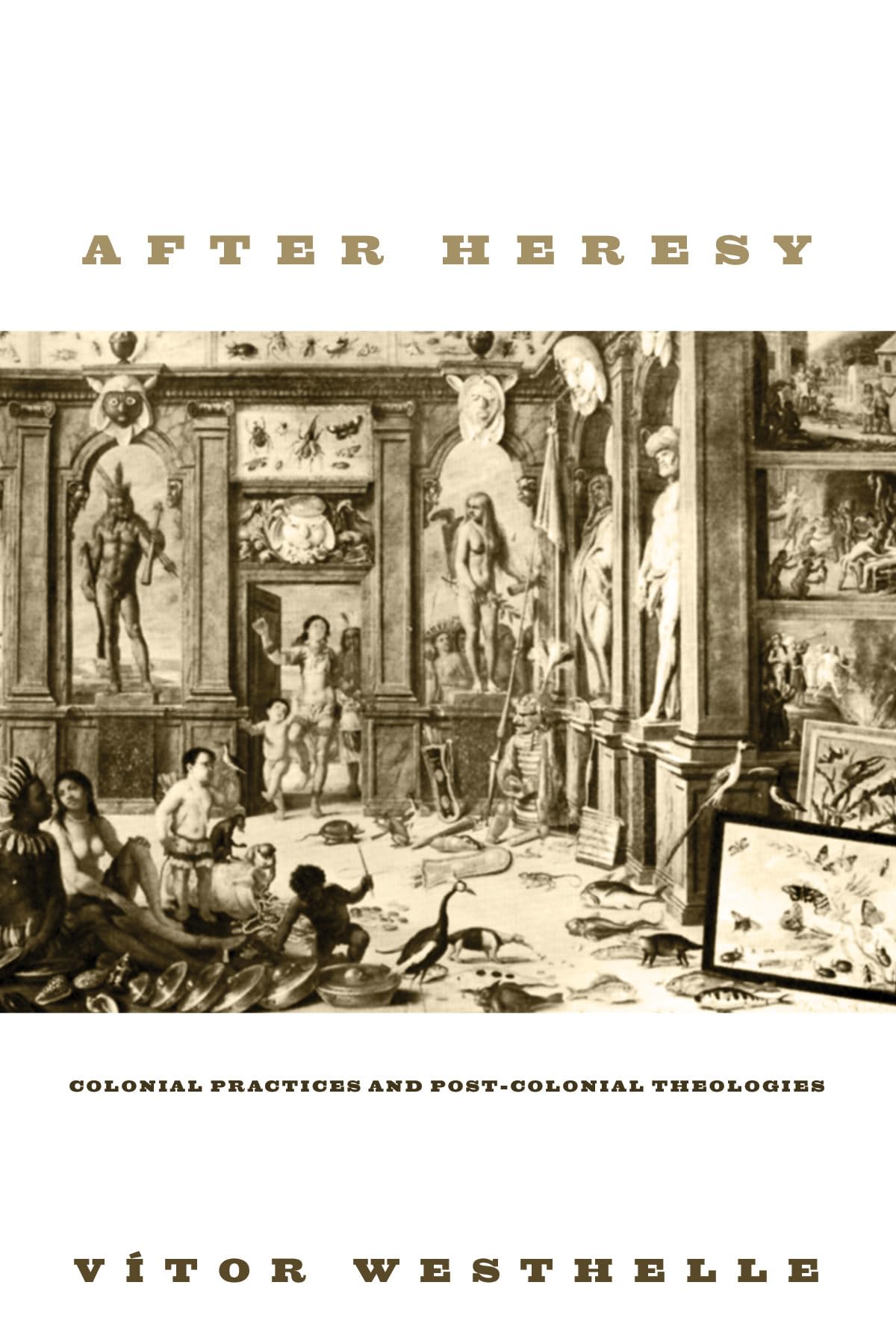
Title
After Heresy: Colonial Practices And Postcolonial Theologies,Used
Sold by Ergodebooks, an authorized reseller.
Returns accepted within 30 days | support@ergodebooks.com
Shipping Information
- Free Standard Shipping — United States only
- Processing Time: 3–5 business days
- Estimated Delivery: 6–10 business days after dispatch
- Double-boxed, fully insured & discreetly packaged
- Tracking number sent via email once dispatched
Returns & Refund
Returns accepted within 30 days of delivery.
Damaged or Defective Item
Free return shipping + replacement or full refund
Wrong Item Received
Free return shipping + replacement or full refund
Change of Mind
Return shipping at customer's expense · 25% restocking fee applies
Payment Option

In this important contribution to postcolonial theological studies, the argument is made that religious practices and teachings imposed on colonized peoples are transmuted in the process of colonization. The very theological discourse that is foisted on the colonized people becomes for them, a liberating possibility through a process of theological transformation from within. This is offered as an explanation of the mechanisms which have brought about the emergence of the current postcolonial consciousness. However, what is distinctive and unique about this treatment is that it pursues these questions with two basic assumptions. The first is that the religious expressions of colonized people bear the outward marks of the hegemonic theological discourse imposed on them, but change its content through a process called 'transfiguration' The second is that the crises of Western Christianity since the Reformation and the Conquest of the Americas enunciates the very process through which postcolonial religious hybridity is made possible. This book unfolds in three parts. The first (the 'pretext') deals with the colonial practice of the missionary enterprise using Latin America as a case study. The second (the 'text') presents the crisis of Western modernity as interpreted by insiders and outsiders of the modern project. The third (the 'context') analyses some discursive postcolonial practices that are theologically grounded even when used in discourses that are not religious. Some of the questions that this project engages are: Is there a postcolonial understanding of sin and evil? How can we understand eschatology in postcolonial terms? What does it mean to be the church in a postcolonial framework? For those interested in the intersection of theology and postcolonial studies, this book will be important reading.
⚠️ WARNING (California Proposition 65):
This product may contain chemicals known to the State of California to cause cancer, birth defects, or other reproductive harm.
For more information, please visit www.P65Warnings.ca.gov.