
Title
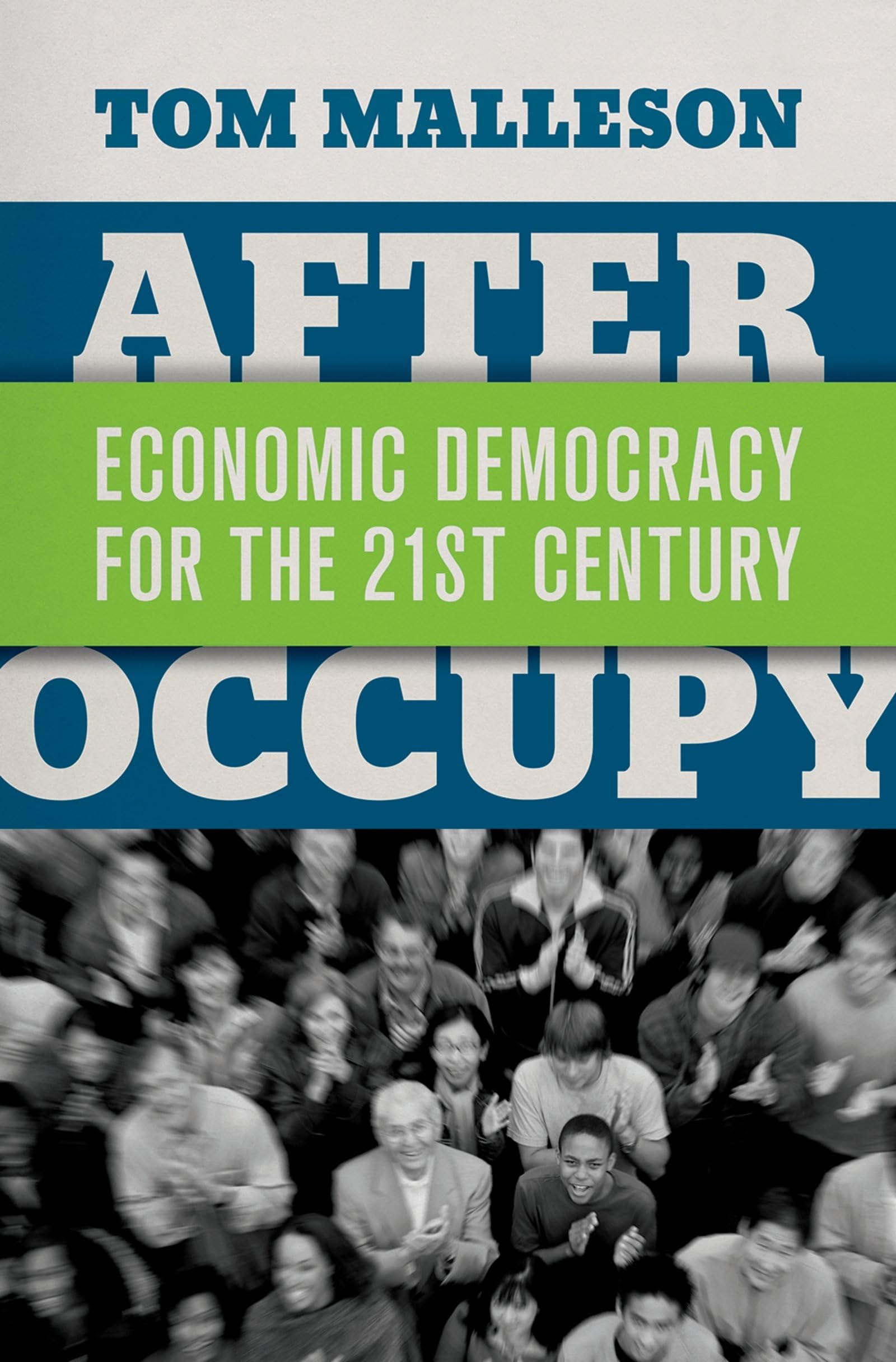
After Occupy: Economic Democracy for the 21st Century,Used
Sold by Ergodebooks, an authorized reseller.
Returns accepted within 30 days | support@ergodebooks.com
Shipping Information
- Free Standard Shipping — United States only
- Processing Time: 3–5 business days
- Estimated Delivery: 6–10 business days after dispatch
- Double-boxed, fully insured & discreetly packaged
- Tracking number sent via email once dispatched
Returns & Refund
Returns accepted within 30 days of delivery.
Damaged or Defective Item
Free return shipping + replacement or full refund
Wrong Item Received
Free return shipping + replacement or full refund
Change of Mind
Return shipping at customer's expense · 25% restocking fee applies
Payment Option

These days, it is easy to be cynical about democracy. Even though there are more democratic societies now (119 and counting) than ever before, skeptics can point to low turnouts in national elections, the degree to which money corrupts the process, and the difficulties of mass participation in complex systems as just a few reasons why the system is flawed. The Occupy movement in 2011 proved that there is an emphatic dissatisfaction with the current state of affairs, particularly with the economy, but, ultimately, it failed to produce any coherent vision for social change. So what should progressives be working toward? What should the economic vision be for the 21st century?After Occupy boldly argues that democracy should not just be a feature of political institutions, but of economic institutions as well. In fact, despite the importance of the economy in democratic societies, there is very little about it that is democratic. Questioning whether the lack of democracy in the economy might be unjust, Tom Malleson scrutinizes workplaces, the market, and financial and investment institutions to consider the pros and cons of democratizing each. He considers examples of successful efforts toward economic democracy enacted across the globe, from worker cooperatives in Spain to credit unions and participatory budgeting measures in Brazil and questions the feasibility of expanding each. The book offers the first comprehensive and radical vision for democracy in the economy, but it is far from utopian. Ultimately, After Occupy offers possibility, demonstrating in a remarkably tangible way that when political democracy evolves to include economic democracy, our societies will have a chance of meaningful equality for all.
⚠️ WARNING (California Proposition 65):
This product may contain chemicals known to the State of California to cause cancer, birth defects, or other reproductive harm.
For more information, please visit www.P65Warnings.ca.gov.