
Title
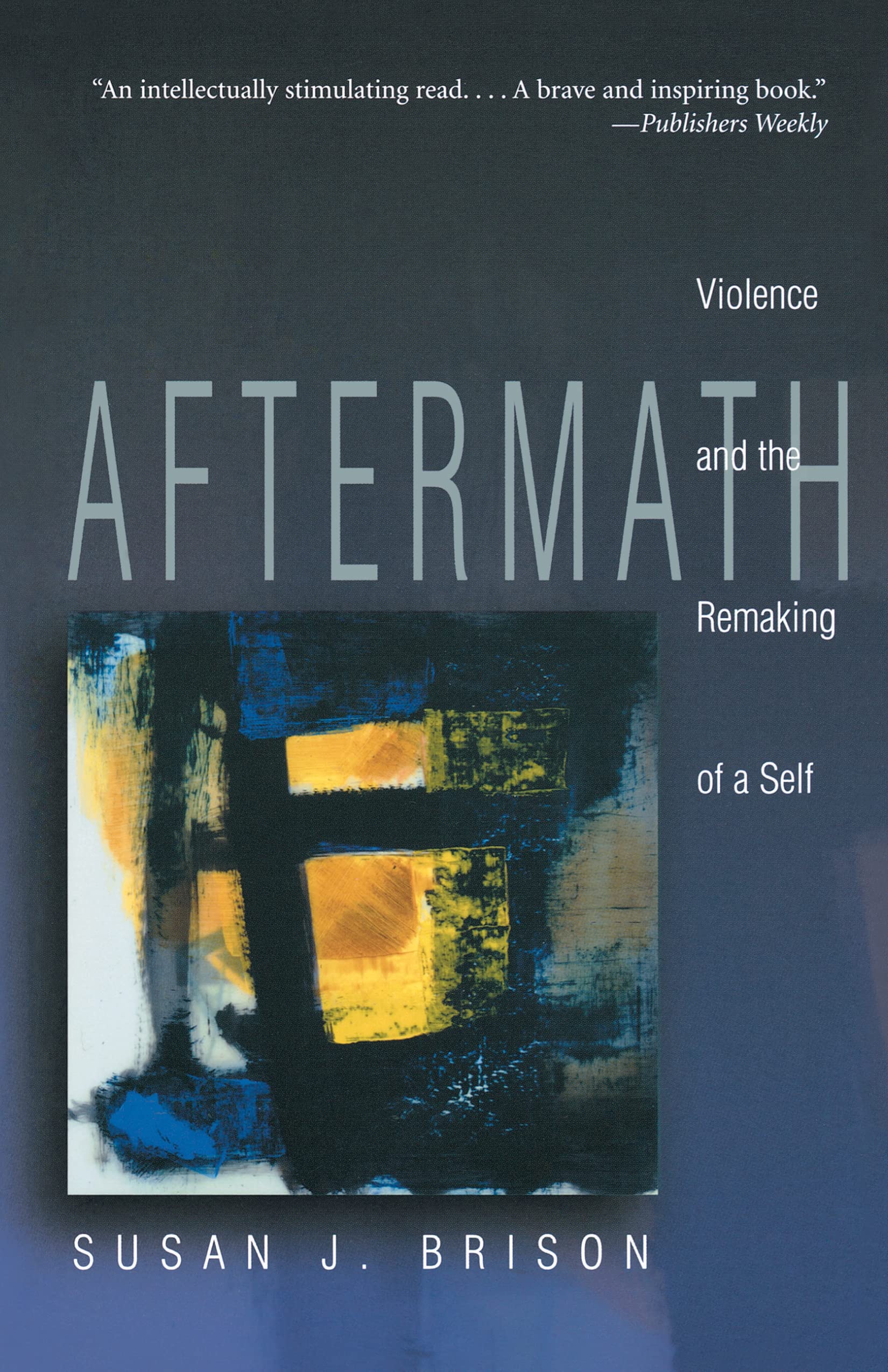
Aftermath: Violence And The Remaking Of A Self.,New
Sold by Ergodebooks, an authorized reseller.
Returns accepted within 30 days | support@ergodebooks.com
Shipping Information
- Free Standard Shipping — United States only
- Processing Time: 3–5 business days
- Estimated Delivery: 6–10 business days after dispatch
- Double-boxed, fully insured & discreetly packaged
- Tracking number sent via email once dispatched
Returns & Refund
Returns accepted within 30 days of delivery.
Damaged or Defective Item
Free return shipping + replacement or full refund
Wrong Item Received
Free return shipping + replacement or full refund
Change of Mind
Return shipping at customer's expense · 25% restocking fee applies
Payment Option

A Powerful Personal Narrative Of Recovery And An Illuminating Philosophical Exploration Of Traumaon July 4, 1990, While On A Morning Walk In Southern France, Susan Brison Was Attacked From Behind, Severely Beaten, Sexually Assaulted, Strangled To Unconsciousness, And Left For Dead. She Survived, But Her World Was Destroyed. Her Training As A Philosopher Could Not Help Her Make Sense Of Things, And Many Of Her Fundamental Assumptions About The Nature Of The Self And The World It Inhabits Were Shattered.At Once A Personal Narrative Of Recovery And A Philosophical Exploration Of Trauma, This Bravely And Beautifully Written Book Examines The Undoing And Remaking Of A Self In The Aftermath Of Violence. It Explores, From An Interdisciplinary Perspective, Memory And Truth, Identity And Self, Autonomy And Community. It Offers Imaginative Access To The Experience Of A Rape Survivor As Well As A Reflective Critique Of A Society In Which Women Routinely Fear And Suffer Sexual Violence.As Brison Observes, Trauma Disrupts Memory, Severs Past From Present, And Incapacitates The Ability To Envision A Future. Yet The Act Of Bearing Witness, She Argues, Facilitates Recovery By Integrating The Experience Into The Survivor'S Life'S Story. She Also Argues For The Importance, As Well As The Hazards, Of Using Firstperson Narratives In Understanding Not Only Trauma, But Also Larger Philosophical Questions About What We Can Know And How We Should Live.
⚠️ WARNING (California Proposition 65):
This product may contain chemicals known to the State of California to cause cancer, birth defects, or other reproductive harm.
For more information, please visit www.P65Warnings.ca.gov.
- Q: How many pages does the book have? A: This book has one hundred ninety-two pages. It's a substantial read that combines personal narrative with philosophical exploration.
- Q: What is the binding type of this book? A: The binding type is hardcover. This ensures durability and makes it suitable for repeated handling.
- Q: What are the dimensions of the book? A: The dimensions are six inches wide, one inch thick, and nine and twenty-five hundredths inches tall. These measurements make it easy to handle and store.
- Q: What themes are explored in this book? A: The book explores themes of trauma, recovery, identity, and the nature of the self. It provides an in-depth philosophical analysis alongside a personal account.
- Q: Is this book suitable for all readers? A: This book is primarily aimed at adult readers. It discusses sensitive topics related to trauma and recovery.
- Q: Can this book be used in academic settings? A: Yes, this book can be used in academic settings. It offers valuable insights into trauma and identity that can enhance discussions in philosophy and psychology.
- Q: How should I care for this hardcover book? A: To care for this hardcover book, store it upright in a cool, dry place. Avoid exposing it to direct sunlight to prevent fading.
- Q: Is this book safe for sensitive readers? A: This book contains discussions of violence and trauma. Sensitive readers may want to approach it with caution.
- Q: How should I clean the book if it gets dirty? A: If the book gets dirty, gently wipe it with a dry cloth. Avoid using water or cleaning solutions that could damage the cover or pages.
- Q: What if the book arrives damaged? A: If the book arrives damaged, you should contact the seller for a return or exchange. Most sellers provide options for returns on damaged items.
- Q: What are some other books similar to this one? A: Books similar to this one include 'The Body Keeps the Score' and 'The Trauma Cleaner.' They also explore themes of trauma and recovery.
- Q: Is this book available in digital format? A: Yes, this book is available in digital format. It can be accessed on various e-readers and platforms.
- Q: Who is the author of this book? A: The author of this book is Susan J. Brison. She is a philosopher with a focus on trauma and identity.
- Q: What is the main focus of the narrative? A: The main focus of the narrative is on recovery from trauma and the philosophical implications of personal experiences.
- Q: Does this book have any illustrations? A: No, this book does not contain illustrations. It is primarily text-based, focusing on narrative and philosophical content.