
Title
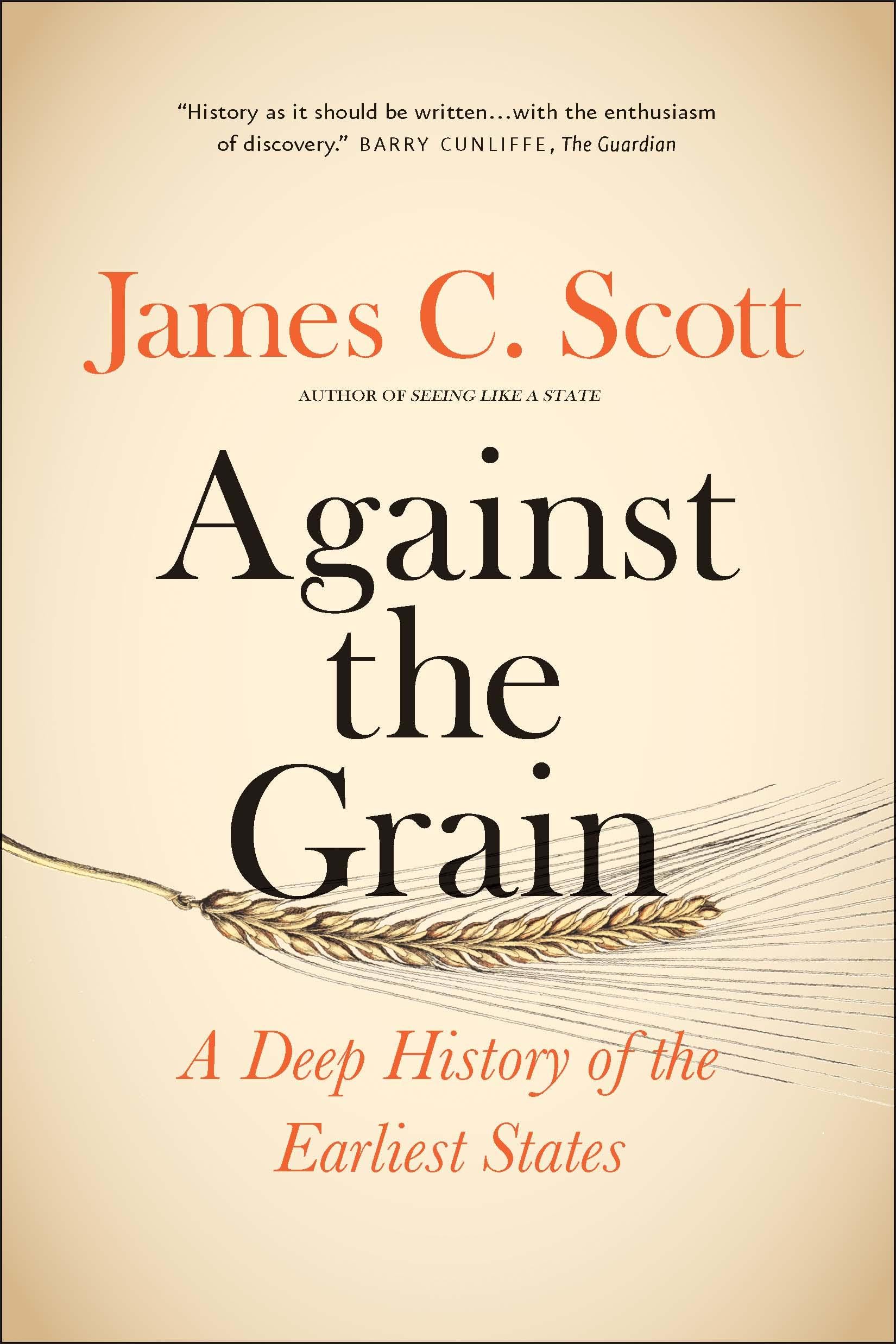
Against The Grain: A Deep History Of The Earliest States
Processing time: 1-3 days
US Orders Ships in: 3-5 days
International Orders Ships in: 8-12 days
Return Policy: 15-days return on defective items
Payment Option

An Economist Best History Book 2017?History As It Should Be Written.?Barry Cunliffe, Guardian?Scott Hits The Nail Squarely On The Head By Exposing The Staggering Price Our Ancestors Paid For Civilization And Political Order.?Walter Scheidel, Financial Timeswhy Did Humans Abandon Hunting And Gathering For Sedentary Communities Dependent On Livestock And Cereal Grains, And Governed By Precursors Of Today?S States? Most People Believe That Plant And Animal Domestication Allowed Humans, Finally, To Settle Down And Form Agricultural Villages, Towns, And States, Which Made Possible Civilization, Law, Public Order, And A Presumably Secure Way Of Living. But Archaeological And Historical Evidence Challenges This Narrative. The First Agrarian States, Says James C. Scott, Were Born Of Accumulations Of Domestications: First Fire, Then Plants, Livestock, Subjects Of The State, Captives, And Finally Women In The Patriarchal Familyall Of Which Can Be Viewed As A Way Of Gaining Control Over Reproduction.Scott Explores Why We Avoided Sedentism And Plow Agriculture, The Advantages Of Mobile Subsistence, The Unforeseeable Disease Epidemics Arising From Crowding Plants, Animals, And Grain, And Why All Early States Are Based On Millets And Cereal Grains And Unfree Labor. He Also Discusses The ?Barbarians? Who Long Evaded State Control, As A Way Of Understanding Continuing Tension Between States And Nonsubject Peoples.
⚠️ WARNING (California Proposition 65):
This product may contain chemicals known to the State of California to cause cancer, birth defects, or other reproductive harm.
For more information, please visit www.P65Warnings.ca.gov.
- Q: What is the page count of this book? A: This book has three hundred thirty-six pages. It provides a comprehensive exploration of early states and civilization.
- Q: What type of binding does this book have? A: This book is paperback bound. This makes it lightweight and easy to handle.
- Q: Who is the author of this book? A: The author is James C. Scott. He is a renowned scholar known for his work on agrarian societies.
- Q: What is the main subject of this book? A: This book discusses the history of the earliest states. It challenges traditional narratives about the origins of civilization.
- Q: Is this book suitable for academic study? A: Yes, this book is suitable for academic study. It offers new evidence and interpretations relevant to historical and anthropological research.
- Q: What is the genre of this book? A: This book falls under the genre of history. It provides insights into the formation of early civilizations.
- Q: How can I use this book for my research? A: You can use this book as a reference for understanding the emergence of agrarian states. It provides evidence and arguments that may support various historical perspectives.
- Q: Is this book appropriate for undergraduate students? A: Yes, this book is appropriate for undergraduate students. It is written in an accessible style while providing scholarly insights.
- Q: What themes are explored in this book? A: This book explores themes such as domestication, state formation, and social control. It critically examines the transition from hunting-gathering to settled agriculture.
- Q: What is the recommended way to store this book? A: Store this book in a cool, dry place. This helps preserve its condition and readability over time.
- Q: How should I clean this book if it gets dirty? A: If the book gets dirty, gently wipe the cover with a soft, dry cloth. Avoid using liquids, as they may damage the pages.
- Q: What should I do if the book arrives damaged? A: If the book arrives damaged, contact the seller for a return or exchange. Ensure you describe the damage in detail.
- Q: Is there a warranty on this book? A: There is no warranty on this book. However, check the seller’s return policy for any guarantees.
- Q: Can this book be used for comparative studies? A: Yes, this book can be used for comparative studies. It provides a unique perspective on state formation compared to other historical narratives.
- Q: What if I have questions about the book's content? A: If you have questions about the book's content, consider reaching out to academic forums or book clubs specializing in history.