
Title
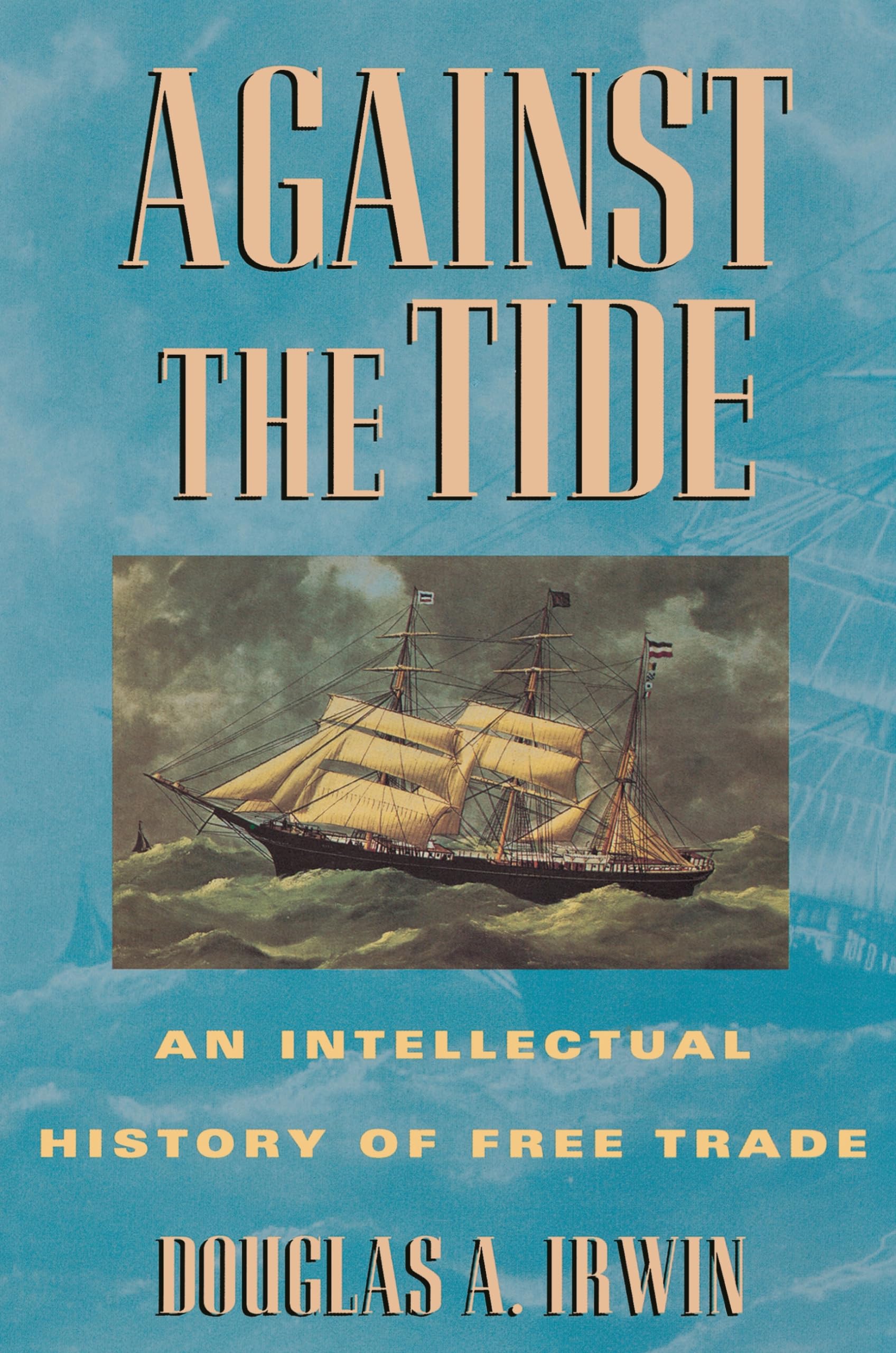
Against the Tide: An Intellectual History of Free Trade,Used
Sold by Ergodebooks, an authorized reseller.
Returns accepted within 30 days | support@ergodebooks.com
Shipping Information
- Free Standard Shipping — United States only
- Processing Time: 3–5 business days
- Estimated Delivery: 6–10 business days after dispatch
- Double-boxed, fully insured & discreetly packaged
- Tracking number sent via email once dispatched
Returns & Refund
Returns accepted within 30 days of delivery.
Damaged or Defective Item
Free return shipping + replacement or full refund
Wrong Item Received
Free return shipping + replacement or full refund
Change of Mind
Return shipping at customer's expense · 25% restocking fee applies
Payment Option

About two hundred years ago, largely as a result of Adam Smith's Wealth of Nations, free trade achieved an intellectual status unrivaled by any other doctrine in the field of economics. What accounts for the success of free trade against then prevailing mercantilist doctrines? And how well has free trade withstood various theoretical attacks that have challenged it since Adam Smith's time? In this readable intellectual history, Douglas Irwin explains how the idea of free trade has endured against the tide of the abundant criticisms that have been leveled against it from the ancient world and Adam Smith's day to the present. An accessible, nontechnical look at one of the most important concepts in the field of economics, Against the Tide will allow the reader to put the ever new guises of protectionist thinking into the context of the past and discover why the idea of free trade has so successfully prevailed over time.Irwin traces the origins of the free trade doctrine from premercantilist times up to Adam Smith and the classical economists. In lucid and careful terms he shows how Smith's compelling arguments in favor of free trade overthrew mercantilist views that domestic industries should be protected from import competition. Once a presumption about the economic benefits of free trade was established, various objections to free trade arose in the form of major arguments for protectionism, such as those relating to the terms of trade, infant industries, increasing returns, wage distortions, income distribution, unemployment, and strategic trade policy. Discussing the contentious historical controversies surrounding each of these arguments, Irwin reveals the serious analytical and practical weaknesses of each, and in the process shows why free trade remains among the most durable and robust propositions that economics has to offer for the conduct of economic policy.
⚠️ WARNING (California Proposition 65):
This product may contain chemicals known to the State of California to cause cancer, birth defects, or other reproductive harm.
For more information, please visit www.P65Warnings.ca.gov.