
Title
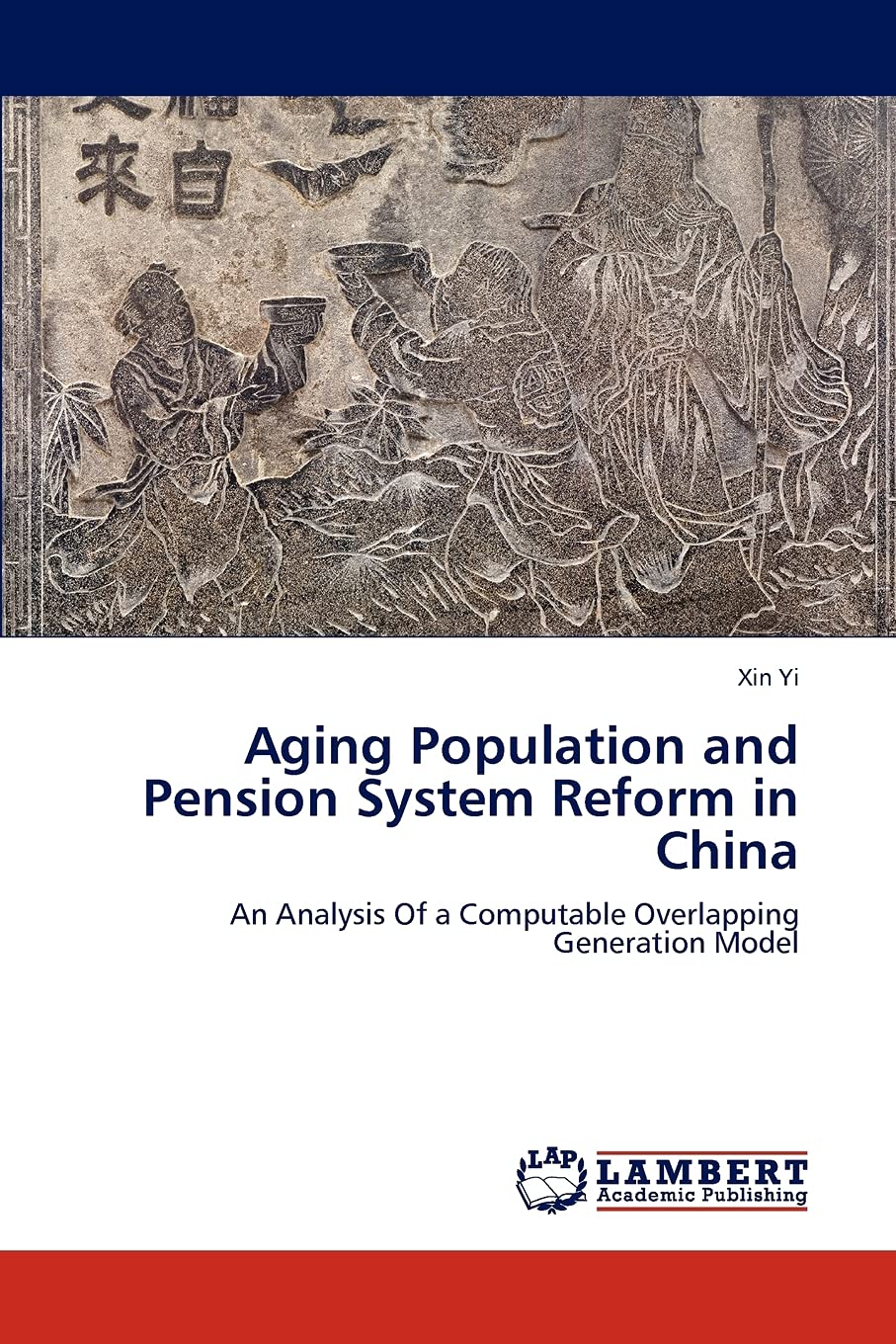
Aging Population and Pension System Reform in China: An Analysis Of a Computable Overlapping Generation Model,Used
Sold by Ergodebooks, an authorized reseller.
Returns accepted within 30 days | support@ergodebooks.com
Shipping Information
- Free Standard Shipping — United States only
- Processing Time: 3–5 business days
- Estimated Delivery: 6–10 business days after dispatch
- Double-boxed, fully insured & discreetly packaged
- Tracking number sent via email once dispatched
Returns & Refund
Returns accepted within 30 days of delivery.
Damaged or Defective Item
Free return shipping + replacement or full refund
Wrong Item Received
Free return shipping + replacement or full refund
Change of Mind
Return shipping at customer's expense · 25% restocking fee applies
Payment Option

This thesis uses a computable Overlapping Generation (OLG) model to examine the Chinese pension reform. The research involves calibrating an OLG model for the Chinese economy and undertaking policy evaluations. Model calibration involves choosing a set of household and firm parameters to capture the key features of the Chinese economy and pension system. Policy evaluation involves using the calibrated model to compare economic variables under alterative pension policies. The major pension policy focus is a comparison of PayAsYouGo (PAYG) and full funded social security designs. The thesis examines the effect of pension reform on the economy from both economywide and intergenerational dimensions. Based on the simulation results the thesis argues for two conclusions. Firstly, Chinas economic output would increase if the pension reform occurred, as the capital stock under the full funded scheme is higher than under the PAYG scheme. Secondly, the thesis finds that the losers are the older generation at the time of the pension reform but that all other generations would benefit from the reform.
⚠️ WARNING (California Proposition 65):
This product may contain chemicals known to the State of California to cause cancer, birth defects, or other reproductive harm.
For more information, please visit www.P65Warnings.ca.gov.