If you have any questions, you are always welcome to contact us. We'll get back to you as soon as possible, withing 24 hours on weekdays.
Customer service
All questions about your order, return and delivery must be sent to our customer service team by e-mail at yourstore@yourdomain.com
Sale & Press
If you are interested in selling our products, need more information about our brand or wish to make a collaboration, please contact us at press@yourdomain.com
Help
If you have any questions, you are always welcome to contact us. We'll get back to you as soon as possible, withing 24 hours on weekdays.
Customer service
All questions about your order, return and delivery must be sent to our customer service team by e-mail at yourstore@yourdomain.com
Sale & Press
If you are interested in selling our products, need more information about our brand or wish to make a collaboration, please contact us at press@yourdomain.com
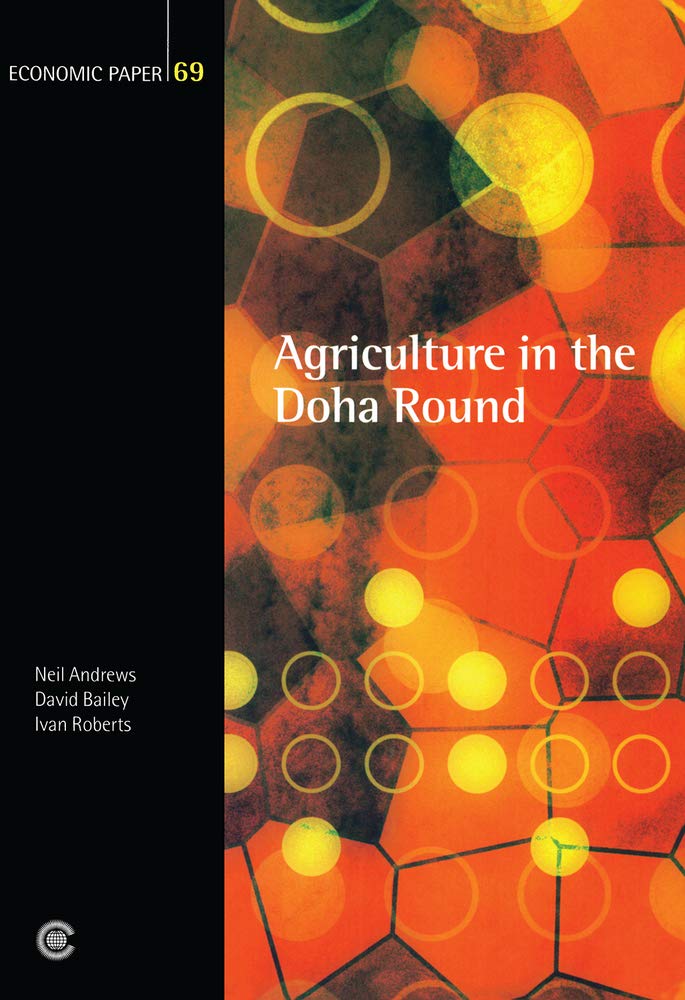
In 2003 the WTO Ministerial Meeting at Cancun failed to achieve any significant progress on the liberalisation of agricultural markets in developed or developing countries. If the present round of negotiations is to be successful, it must continue the momentum for reform achieved through the Uruguay Round. Agricultural liberalisation has the potential to deliver significantly improved welfare in both developed and developing countries. This report, prepared for the Commonwealth Secretariat by the Australian Bureau of Agriculture and Resource Economics, looks at the benefits of liberalisation and examines the closely interrelated use of the three pillars of domestic support, export subsidies and restrictions on market access in distorting world agricultural trade. It outlines the negotiating positions of the key players, and suggests possible areas for compromise and concessions in an attempt to drive forward reform crucial to a successful outcome.
⚠️ WARNING (California Proposition 65):
This product may contain chemicals known to the State of California to cause cancer,
birth defects, or other reproductive harm.
For MAP (Minimum Advertised Price) violations and Intellectual Property (IP) or Trademark concerns, please contact:
support@ergodebooks.com
⚠️ California Proposition 65 Warning: Some products sold on this website may expose you to chemicals known to the State of California to cause cancer, birth defects, or other reproductive harm. For more information, visit www.P65Warnings.ca.gov.