
Title
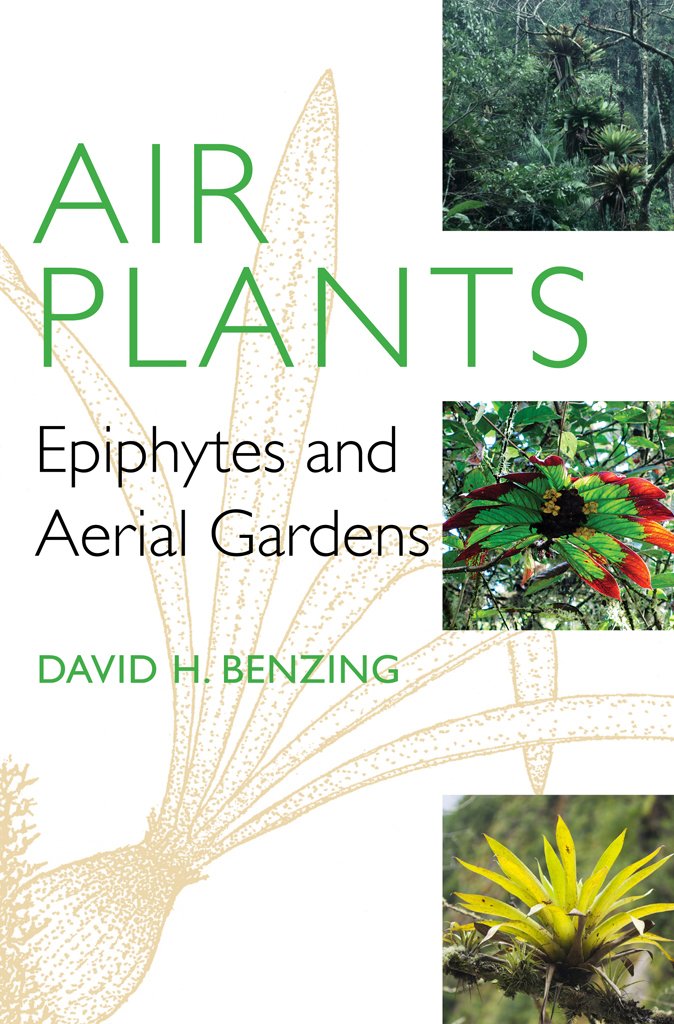
Air Plants: Epiphytes and Aerial Gardens,Used
Sold by Ergodebooks, an authorized reseller.
Returns accepted within 30 days | support@ergodebooks.com
Shipping Information
- Free Standard Shipping — United States only
- Processing Time: 3–5 business days
- Estimated Delivery: 6–10 business days after dispatch
- Double-boxed, fully insured & discreetly packaged
- Tracking number sent via email once dispatched
Returns & Refund
Returns accepted within 30 days of delivery.
Damaged or Defective Item
Free return shipping + replacement or full refund
Wrong Item Received
Free return shipping + replacement or full refund
Change of Mind
Return shipping at customer's expense · 25% restocking fee applies
Payment Option

Often growing far above the ground, "air plants" (or epiphytes) defy many of our common perceptions about plants. The majority use their roots only for attachment in the crowns of larger, usually woody plantsor to objects such as rocks and buildingsand derive moisture and nutrients from the atmosphere and by collecting falling debris. Only the mistletoes are true parasites. Epiphytes are not anomalies and there are approximately 28,000 speciesabout 10 percent of the higher or vascular plantsthat grow this way. Many popular houseplants, including numerous aroids, bromeliads, ferns, and orchids, rank among the most familiar examples. In Air Plants, David H. Benzing takes a reader on a tour of the many taxonomic groups to which the epiphytes belong and explains in nontechnical language the anatomical and physiological adaptations that allow these plants to conserve water, thrive without the benefit of soil, and engage in unusual relationships with animals such as frogs and ants.Benzings comprehensive account covers topics including ecology, evolution, photosynthesis and water relations, mineral nutrition, reproduction, and the nature of the forest canopy as habitat for the freeliving and parasitic epiphytes. It also pays special attention to important phenomena such as adaptive tradeoffs and leaf economics. Drawing on the authors deep experience with epiphytes and the latest scientific research, this book is accessible to readers unfamiliar with technical botany; it features a lavish illustration program, references, a glossary, and tables.
⚠️ WARNING (California Proposition 65):
This product may contain chemicals known to the State of California to cause cancer, birth defects, or other reproductive harm.
For more information, please visit www.P65Warnings.ca.gov.