
Title
Airpower In Small Wars: Fighting Insurgents And Terrorists (Modern War Studies),Used
Sold by Ergodebooks, an authorized reseller.
Returns accepted within 30 days | support@ergodebooks.com
Shipping Information
- Free Standard Shipping — United States only
- Processing Time: 3–5 business days
- Estimated Delivery: 6–10 business days after dispatch
- Double-boxed, fully insured & discreetly packaged
- Tracking number sent via email once dispatched
Returns & Refund
Returns accepted within 30 days of delivery.
Damaged or Defective Item
Free return shipping + replacement or full refund
Wrong Item Received
Free return shipping + replacement or full refund
Change of Mind
Return shipping at customer's expense · 25% restocking fee applies
Payment Option

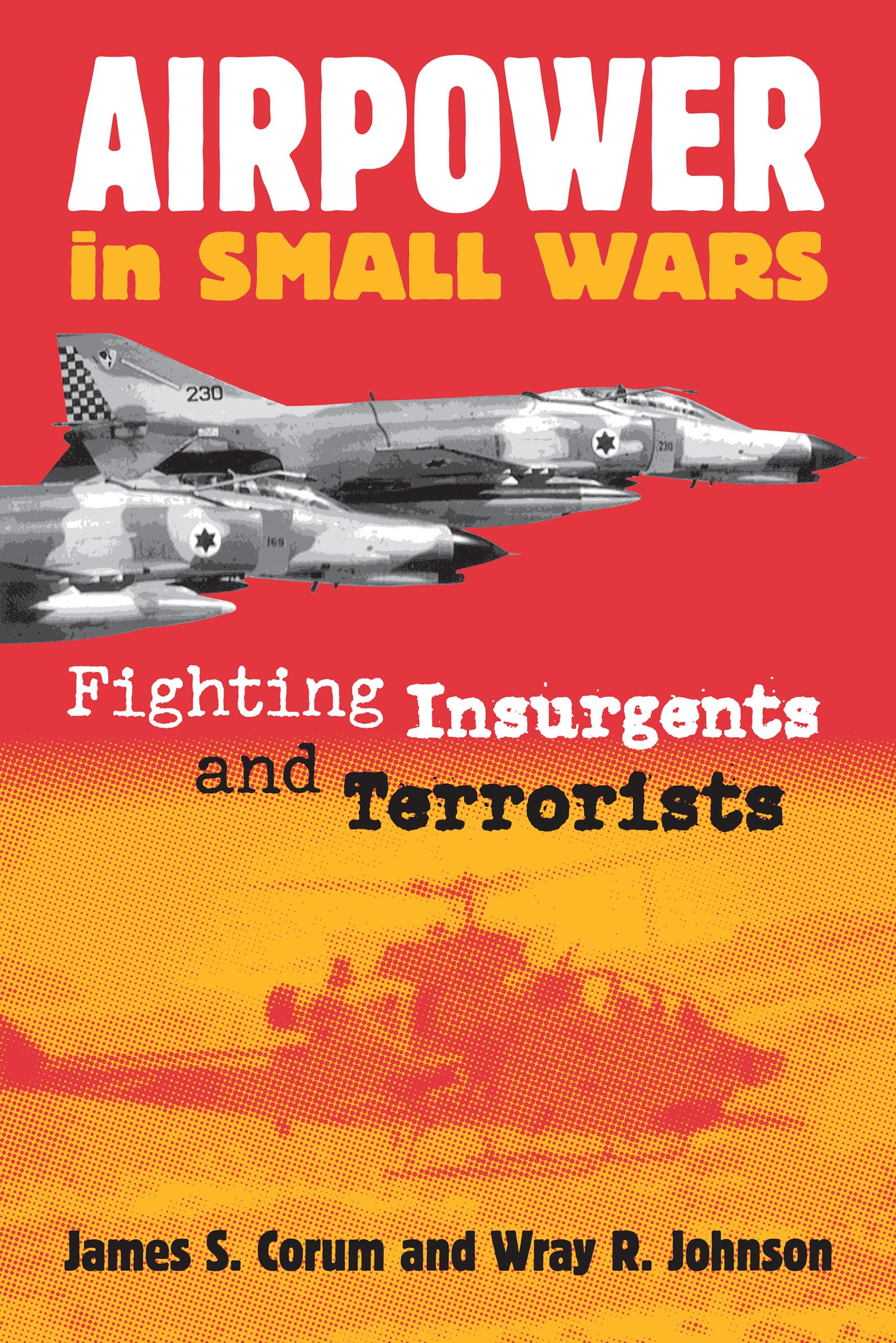
The Use Of Airpower In Wartime Calls To Mind The Massive Bombings Of World War Ii, But Airplanes Have Long Been Instrumental In Small Wars As Well. Ever Since Its Use By The French To Put Down Rebellious Moroccan Tribes In 1913, Airpower Has Been Employed To Fight In Limited But Often Lengthy Small Conflicts Around The Globe.This Is The First Comprehensive History Of Airpower In Small Warsconflicts Pitting States Against Nonstate Groups Such As Insurgents, Bandits, Factions, And Terroriststracing It From The Early Years Of The Twentieth Century To The Present Day. It Examines Dozens Of Conflicts With Strikingly Different Scenarios: The Greek Civil War, The Philippine Antihuk Campaign, French And British Colonial Wars, The War In South Vietnam Before The American Escalation, Counterinsurgency In Southern Africa, Latin American Counterguerrilla Operations, And Counterinsurgency And Counterterrorist Campaigns In The Middle East Over The Last Four Decades.For Each War, The Authors Describe The Strategies Employed On Both Sides Of The Conflict, The Air Forces Engaged, And The Specific Airpower Tactics Employed. They Discuss The Ground Campaigns And Provide The Political Background Necessary To Understand The Air Campaigns, And In Each Case They Judge The Utility Of Airpower In Its Broadest Sense. In Their Historic Sweep, They Show How Forms Of Airpower Evolved From Planes To Police Helicopters, Aircraft Of The Civilian Air Reserve, And Today'S Unmanned Aircraft. They Also Disclose How Small Wars After World War Ii Required New Strategies, Operational Solutions, And Tactics.By Taking This Broad View Of Smallwar Airpower, The Authors Are Able To Make Assessments About The Most Effective And Least Effective Means Of Employing Airpower. They Offer Specific Conclusions Ranging From The Importance Of Comprehensive Strategy To The Need For The United States And Its Allies To Expand Smallwars Training Programs. Airpower In Small Wars Will Be Invaluable For Educating Military Professionals And Policy Makers In The Subject As Well As For Providing A Useful Framework For Developing More Effective Doctrine For Employing Airpower In The Conflicts We Are Most Likely To See In The Twentyfirst Century.
⚠️ WARNING (California Proposition 65):
This product may contain chemicals known to the State of California to cause cancer, birth defects, or other reproductive harm.
For more information, please visit www.P65Warnings.ca.gov.
- Q: How many pages does the book contain? A: The book has five hundred twenty-eight pages. This extensive content covers the history and strategies of airpower in small wars.
- Q: What is the binding type of this book? A: The book is available in paperback binding. This makes it lightweight and easy to carry for reading on the go.
- Q: What are the dimensions of the book? A: The book measures six inches in length, one point two six inches in width, and eight point seven five inches in height. These dimensions make it a convenient size for reading.
- Q: Who is the author of 'Airpower in Small Wars'? A: The author is James S. Corum. He provides a comprehensive analysis of airpower tactics and strategies in various conflicts.
- Q: What is the main topic of this book? A: The book explores the use of airpower in small wars. It examines historical conflicts involving states and non-state groups.
- Q: What kind of conflicts does the book cover? A: The book covers a range of conflicts, including the Greek Civil War and counterinsurgency in the Middle East. It details various strategies and airpower tactics.
- Q: Is this book suitable for military professionals? A: Yes, the book is invaluable for military professionals. It provides insights into effective airpower strategies and tactics for modern conflicts.
- Q: Can I use this book for academic research? A: Yes, this book is suitable for academic research. It offers a comprehensive history and analysis of airpower in small wars.
- Q: What should I do to keep this book in good condition? A: To keep the book in good condition, store it in a dry place and avoid exposing it to direct sunlight. This will preserve the quality of the pages and binding.
- Q: How do I clean the book if it gets dirty? A: To clean the book, gently wipe the cover with a soft, damp cloth. Avoid using harsh chemicals to prevent damage to the cover and pages.
- Q: Is this book appropriate for beginners in military studies? A: Yes, this book is appropriate for beginners. It provides a foundational understanding of airpower strategies in historical contexts.
- Q: Does the book offer insights into modern airpower strategies? A: Yes, the book discusses modern airpower strategies. It examines how tactics have evolved from World War II to present-day conflicts.
- Q: What if the book arrives damaged? A: If the book arrives damaged, contact the seller for a return or exchange. Most sellers have policies in place for such issues.
- Q: Is there a warranty on this book? A: No, there is typically no warranty on books. However, you can check the seller's return policy for any applicable guarantees.
- Q: How can I find more about the author's credentials? A: You can find more about the author's credentials through book reviews and academic profiles. James S. Corum is recognized for his expertise in military history.