
Title
Alchemy and Authority in the Holy Roman Empire,Used
Sold by Ergodebooks, an authorized reseller.
Returns accepted within 30 days | support@ergodebooks.com
Shipping Information
- Free Standard Shipping — United States only
- Processing Time: 3–5 business days
- Estimated Delivery: 6–10 business days after dispatch
- Double-boxed, fully insured & discreetly packaged
- Tracking number sent via email once dispatched
Returns & Refund
Returns accepted within 30 days of delivery.
Damaged or Defective Item
Free return shipping + replacement or full refund
Wrong Item Received
Free return shipping + replacement or full refund
Change of Mind
Return shipping at customer's expense · 25% restocking fee applies
Payment Option

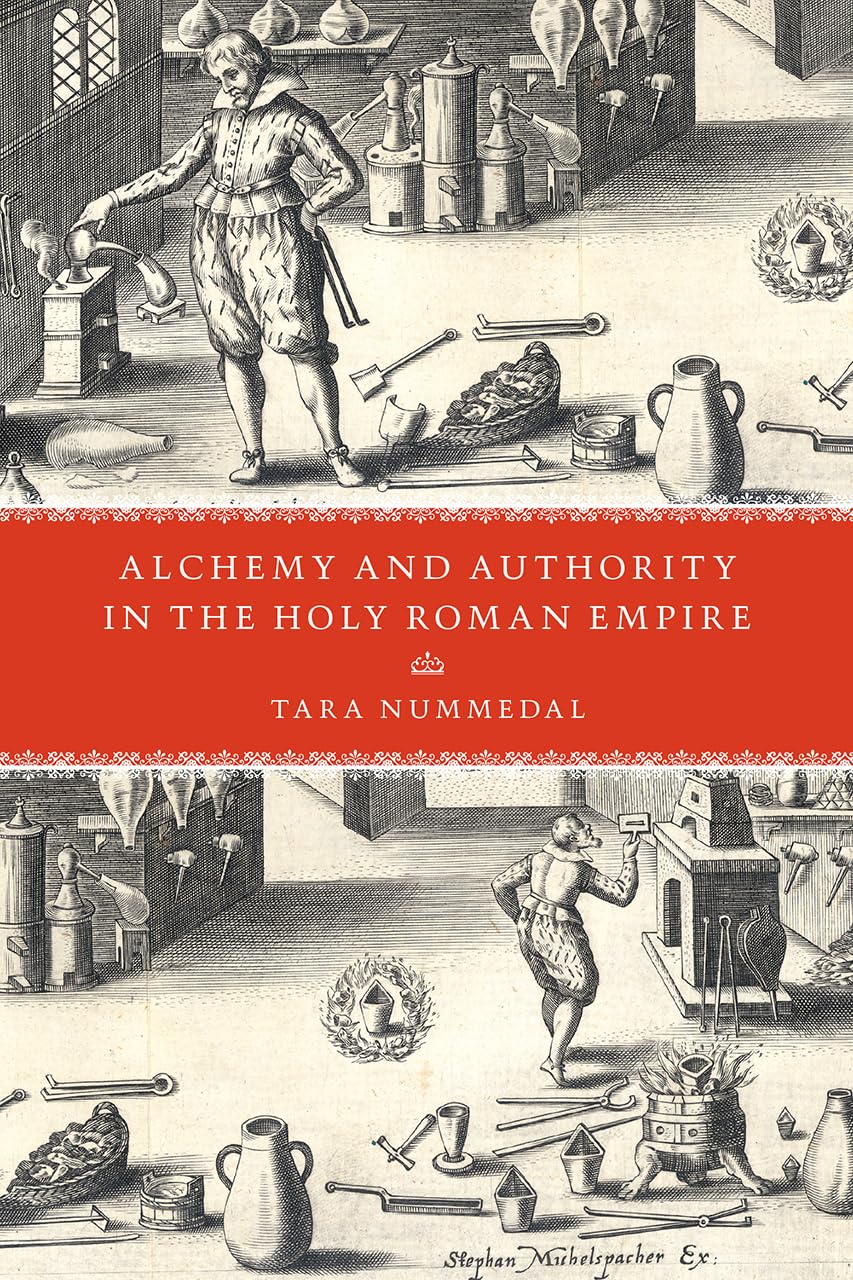
What distinguished the true alchemist from the fraud? This question animated the lives and labors of the common menand occasionally womenwho made a living as alchemists in the sixteenth and seventeenthcentury Holy Roman Empire. As purveyors of practical techniques, inventions, and cures, these entrepreneurs were prized by princely patrons, who relied upon alchemists to bolster their political fortunes. At the same time, satirists, artists, and other commentators used the figure of the alchemist as a symbol for Europes social and economic ills.Drawing on criminal trial records, contracts, laboratory inventories, satires, and vernacular alchemical treatises, Alchemy and Authority in the Holy Roman Empire situates the everyday alchemists, largely invisible to modern scholars until now, at the center of the development of early modern science and commerce. Reconstructing the workaday world of entrepreneurial alchemists, Tara Nummedal shows how allegations of fraud shaped their practices and prospects. These debates not only reveal enormously diverse understandings of what the real alchemy was and who could practice it; they also connect a set of littleknown practitioners to the largest questions about commerce, trust, and intellectual authority in early modern Europe.
⚠️ WARNING (California Proposition 65):
This product may contain chemicals known to the State of California to cause cancer, birth defects, or other reproductive harm.
For more information, please visit www.P65Warnings.ca.gov.
- Q: What is the main topic of 'Alchemy and Authority in the Holy Roman Empire'? A: 'Alchemy and Authority in the Holy Roman Empire' explores the lives of alchemists in the sixteenth and seventeenth centuries, examining how they distinguished themselves from frauds and their impact on early modern science and commerce.
- Q: Who is the author of this book? A: The book is authored by Tara Nummedal, who provides insight into the practices of alchemists and their societal roles during the Holy Roman Empire.
- Q: What are the key themes discussed in the book? A: Key themes include the relationship between alchemists and their patrons, the social and economic implications of alchemy, and the debates surrounding the authenticity of alchemical practices.
- Q: How many pages does the book contain? A: 'Alchemy and Authority in the Holy Roman Empire' contains 280 pages, offering a comprehensive examination of its subject matter.
- Q: What type of binding does this book have? A: The book is available in paperback binding, making it accessible and portable for readers.
- Q: When was 'Alchemy and Authority in the Holy Roman Empire' published? A: The book was published on February 22, 2019.
- Q: Is this book suitable for academic study? A: Yes, the book is suitable for academic study, particularly for those interested in economic history, alchemy, and early modern science.
- Q: What is the condition of the book? A: The book is in new condition, ensuring readers receive a fresh, undamaged copy.
- Q: Does the book include illustrations? A: Yes, 'Alchemy and Authority in the Holy Roman Empire' is an illustrated edition, enhancing the reader's understanding of the material.
- Q: What audience is this book intended for? A: The book is intended for scholars, students, and anyone interested in the historical role of alchemy in society and its impact on commerce and trust during the early modern period.