
Title
AlGhazali's Philosophical Theology,Used
Sold by Ergodebooks, an authorized reseller.
Returns accepted within 30 days | support@ergodebooks.com
Shipping Information
- Free Standard Shipping — United States only
- Processing Time: 3–5 business days
- Estimated Delivery: 6–10 business days after dispatch
- Double-boxed, fully insured & discreetly packaged
- Tracking number sent via email once dispatched
Returns & Refund
Returns accepted within 30 days of delivery.
Damaged or Defective Item
Free return shipping + replacement or full refund
Wrong Item Received
Free return shipping + replacement or full refund
Change of Mind
Return shipping at customer's expense · 25% restocking fee applies
Payment Option

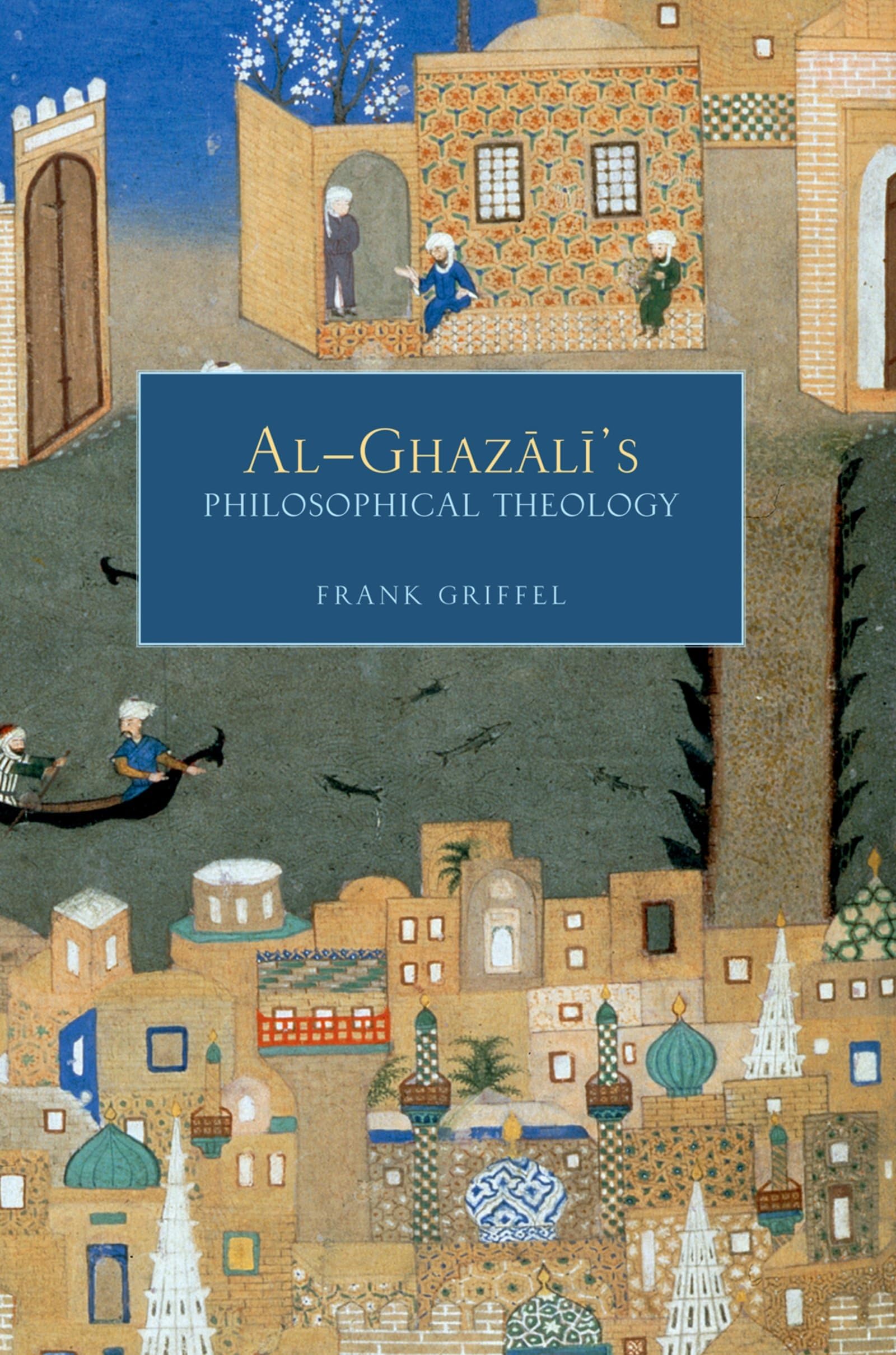
The Muslim thinker alGhazali (d. 1111) was one of the most influential theologians and philosophers of Islam and has been considered an authority in both Western and Islamic philosophical traditions. Born in northeastern Iran, he held the most prestigious academic post in Islamic theology in Baghdad, only to renounce the position and teach at small schools in the provinces for no money. His contributions to Islamic scholarship range from responding to the challenges of Aristotelian philosophy to creating a new type of Islamic mysticism and integrating both these traditionsfalsafa and Sufisminto the Sunni mainstream.This book offers a comprehensive study of alGhazali's life and his understanding of cosmologyhow God creates things and events in the world, how human acts relate to God's power, and how the universe is structured. Frank Griffel presents a serious revision of traditional views on alGhazali, showing that his most important achievement was the creation of a new rationalist theology in which he transformed the Aristotelian views of thinkers such as Avicenna to accord with intellectual currents that were wellestablished within Muslim theological discourse. Using the most authoritative sources, including reports from alGhazali's students, his contemporaries, and his own letters, Griffel reconstructs every stage in a turbulent career. The alGhazali that emerges offers many surprises, particularly on his motives for leaving Baghdad and the nature of his 'seclusion' afterwards. Griffel demonstrates that alGhazali intended to create a new cosmology that moved away from concerns held earlier by Muslim theologians and Arab philosophers. This new theology aimed to provide a framework for the pursuit of the natural sciences and a basis for Islamic science and philosophy to flourish beyond the 12th century.AlGhazali's Philosophical Theology is the most thorough examination to date of this important thinker.
⚠️ WARNING (California Proposition 65):
This product may contain chemicals known to the State of California to cause cancer, birth defects, or other reproductive harm.
For more information, please visit www.P65Warnings.ca.gov.