
Title
Algorithms in Structural Molecular Biology (Computational Molecular Biology),Used
Sold by Ergodebooks, an authorized reseller.
Returns accepted within 30 days | support@ergodebooks.com
Shipping Information
- Free Standard Shipping — United States only
- Processing Time: 3–5 business days
- Estimated Delivery: 6–10 business days after dispatch
- Double-boxed, fully insured & discreetly packaged
- Tracking number sent via email once dispatched
Returns & Refund
Returns accepted within 30 days of delivery.
Damaged or Defective Item
Free return shipping + replacement or full refund
Wrong Item Received
Free return shipping + replacement or full refund
Change of Mind
Return shipping at customer's expense · 25% restocking fee applies
Payment Option

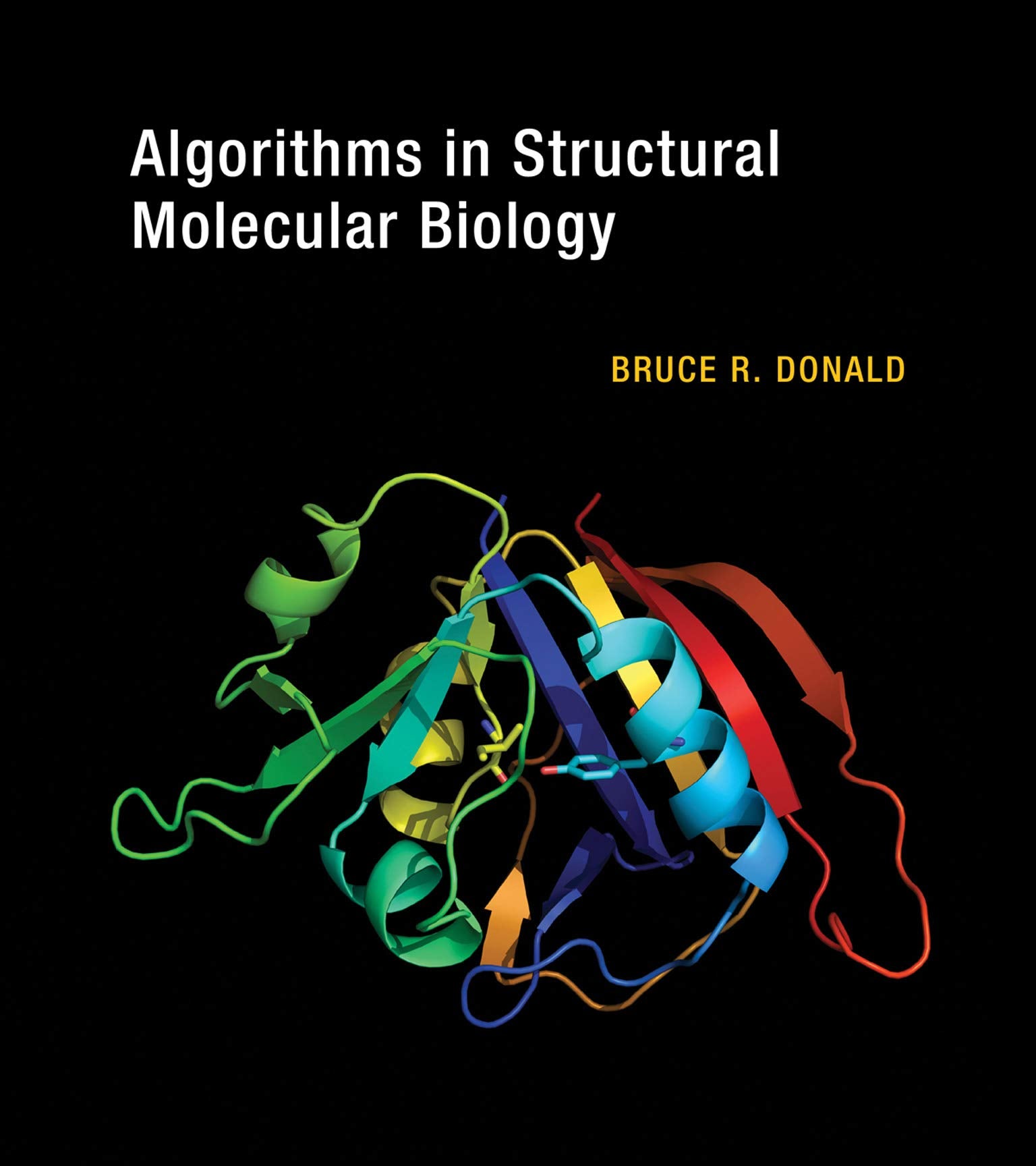
Using the tools of information technology to understand the molecular machinery of the cell offers both challenges and opportunities to computational scientists. Over the past decade, novel algorithms have been developed both for analyzing biological data and for synthetic biology problems such as protein engineering. This book explains the algorithmic foundations and computational approaches underlying areas of structural biology including NMR (nuclear magnetic resonance); Xray crystallography; and the design and analysis of proteins, peptides, and small molecules. Each chapter offers a concise overview of important concepts, focusing on a key topic in the field. Four chapters offer a short course in algorithmic and computational issues related to NMR structural biology, giving the reader a useful toolkit with which to approach the fascinating yet thorny computational problems in this area. A recurrent theme is understanding the interplay between biophysical experiments and computational algorithms. The text emphasizes the mathematical foundations of structural biology while maintaining a balance between algorithms and a nuanced understanding of experimental data. Three emerging areas, particularly fertile ground for research students, are highlighted: NMR methodology, design of proteins and other molecules, and the modeling of protein flexibility. The next generation of computational structural biologists will need training in geometric algorithms, provably good approximation algorithms, scientific computation, and an array of techniques for handling noise and uncertainty in combinatorial geometry and computational biophysics. This book is an essential guide for young scientists on their way to research success in this exciting field.
⚠️ WARNING (California Proposition 65):
This product may contain chemicals known to the State of California to cause cancer, birth defects, or other reproductive harm.
For more information, please visit www.P65Warnings.ca.gov.