
Title
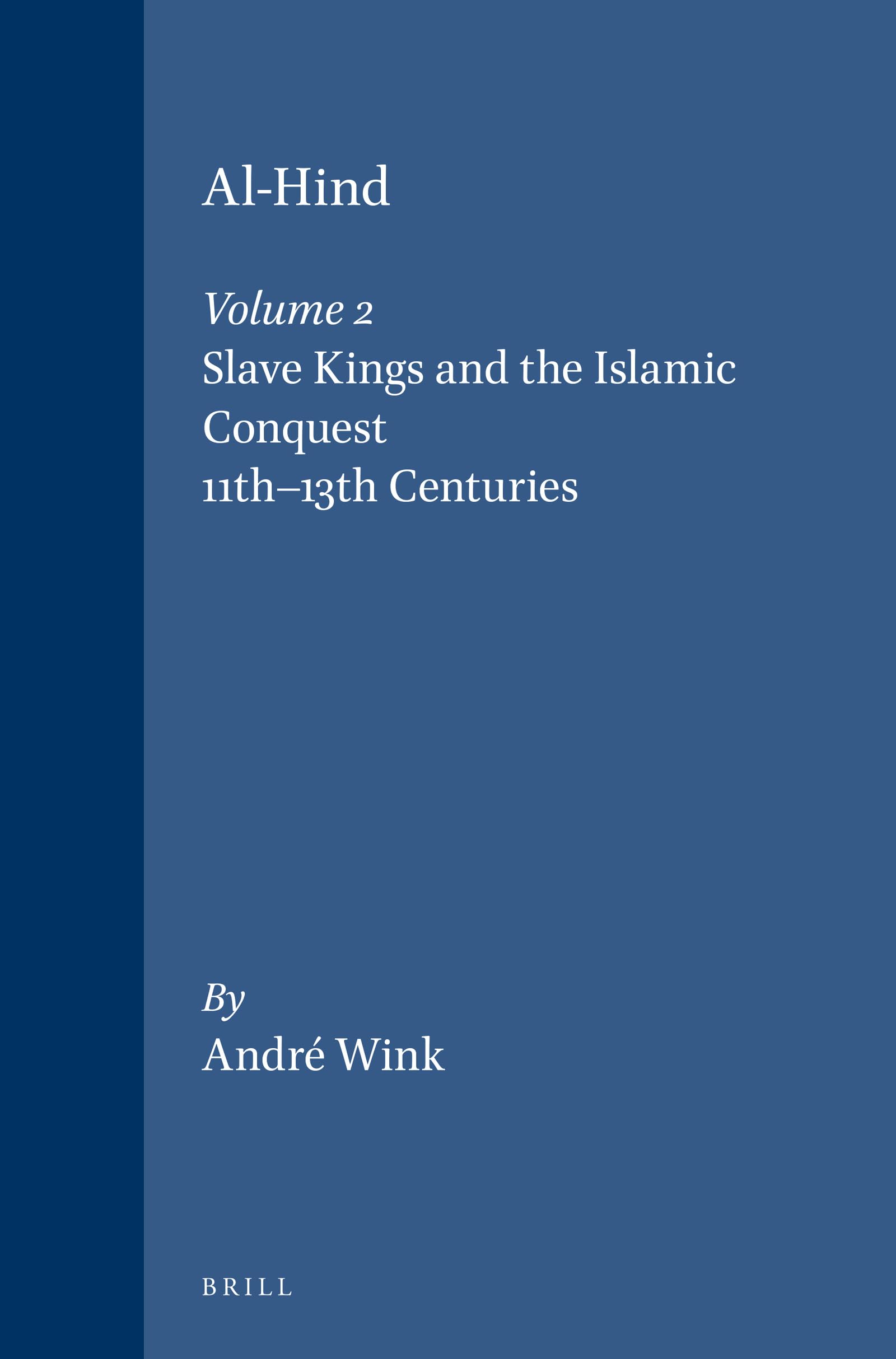
AlHind the Making of the IndoIslamic World: The Slave Kings and the Islamic Conquest, 11Th13th Centuries (2),New
Sold by Ergodebooks, an authorized reseller.
Returns accepted within 30 days | support@ergodebooks.com
Shipping Information
- Free Standard Shipping — United States only
- Processing Time: 3–5 business days
- Estimated Delivery: 6–10 business days after dispatch
- Double-boxed, fully insured & discreetly packaged
- Tracking number sent via email once dispatched
Returns & Refund
Returns accepted within 30 days of delivery.
Damaged or Defective Item
Free return shipping + replacement or full refund
Wrong Item Received
Free return shipping + replacement or full refund
Change of Mind
Return shipping at customer's expense · 25% restocking fee applies
Payment Option

During the early medieval Islamic expansion in the seventh to eleventh centuries, alHind (India and its Indianized hinterland) was characterized by two organizational modes: the longdistance trade and mobile wealth of the peripheral frontier states, and the settled agriculture of the heartland. These two different types of social, economic, and political organization were successfully fused during the eleventh to thirteenth centuries, and India became the hub of world trade. During this period, the Middle East declined in importance, Central Asia was unified under the Mongols, and Islam expanded far into the Indian subcontinent. Instead of being devastated by the Mongols, who were prevented from penetrating beyond the western periphery of alHind by the absence of sufficient good pasture land, the agricultural plains of North India were brought under TurkoIslamic rule in a gradual manner in a conquest effected by professional armies and not accompanied by any largescale nomadic invasions. The result of the conquest was, in short, the revitalization of the economy of settled agriculture through the dynamic impetus of forced monetization and the expansion of political dominion. Islamic conquest and trade laid the foundation for a new type of IndoIslamic society in which the organizational forms of the frontier and of sedentary agriculture merged in a way that was uniquely successful in the late medieval world at large, setting the IndoIslamic world apart from the Middle East and China in the same centuries.Please note that The Slave Kings and the Islamic Conquest, 11th13th Centuries was previously published by Brill in hardback (ISBN 90 04 10236 1, still available).
⚠️ WARNING (California Proposition 65):
This product may contain chemicals known to the State of California to cause cancer, birth defects, or other reproductive harm.
For more information, please visit www.P65Warnings.ca.gov.