
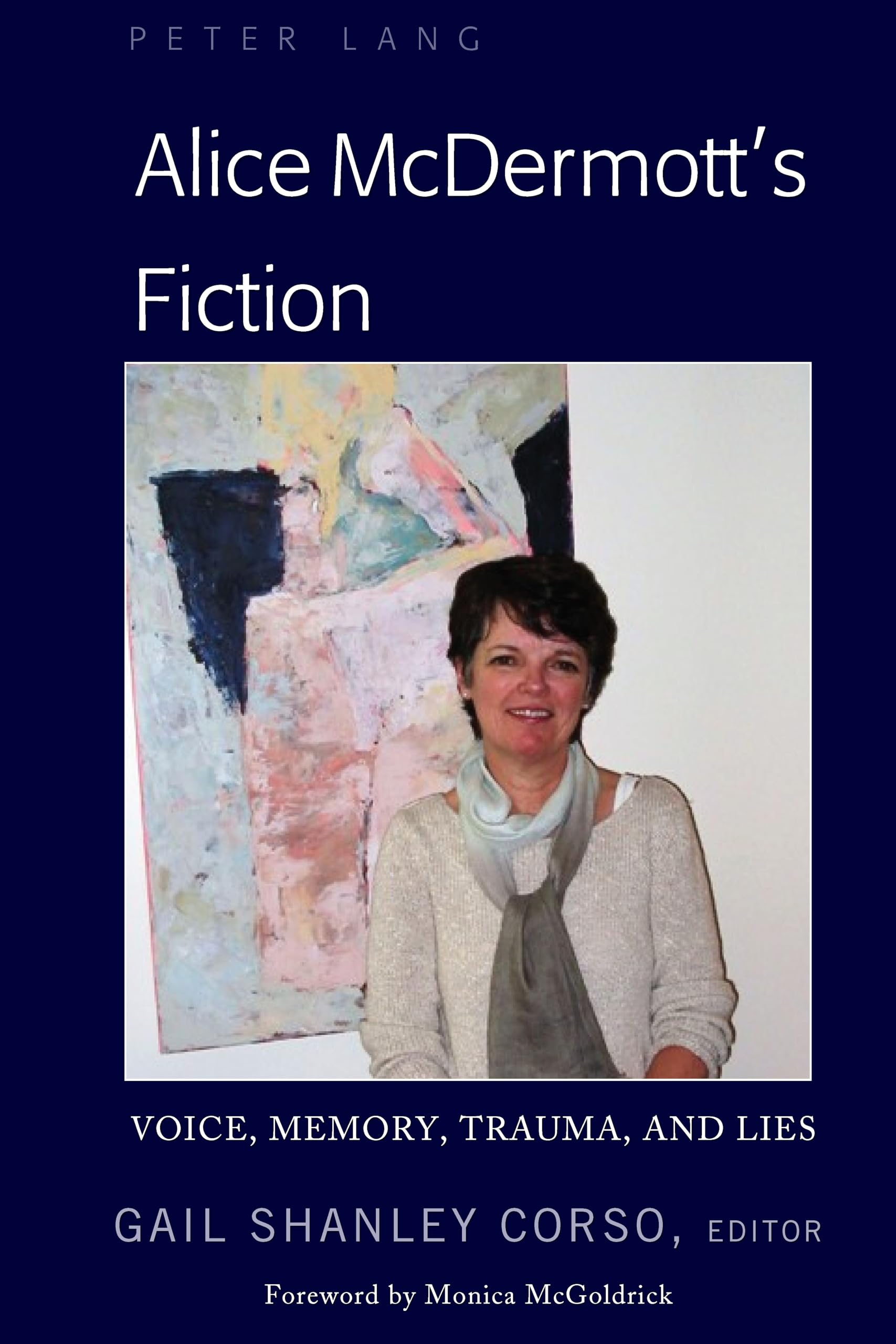
Title
Alice McDermott's Fiction (Peter Lange Humanities),Used
Sold by Ergodebooks, an authorized reseller.
Returns accepted within 30 days | support@ergodebooks.com
Shipping Information
- Free Standard Shipping — United States only
- Processing Time: 3–5 business days
- Estimated Delivery: 6–10 business days after dispatch
- Double-boxed, fully insured & discreetly packaged
- Tracking number sent via email once dispatched
Returns & Refund
Returns accepted within 30 days of delivery.
Damaged or Defective Item
Free return shipping + replacement or full refund
Wrong Item Received
Free return shipping + replacement or full refund
Change of Mind
Return shipping at customer's expense · 25% restocking fee applies
Payment Option

In Alice McDermotts Fiction, contributors explore the emotional pain, the uncertainty about identity, and the faulty relationships within families and communities of characters in the writers work. In the Foreword, Monica McGoldrick identifies how complications such characters as in McDermotts fiction experience often relate to "reverberations of the pain and shame of their Irish ancestors that have been silenced over time." The aftermath of lies, selfdeception, and trauma are analyzed, and McDermotts themes, stylistics, and aesthetics are identified: familial relationships in second and thirdgeneration IrishAmerican families; trauma that characters experience when living their lives of repressed feelings or conflicted selfidentityor forgotten cultural identity; silence in families and inauthentic relationships between mothers and daughters; propensity for characters to lie to show care and concern for another and to cling to mythical images of a patriarchal hero; allusions to Catholic ritual and belief; conflict of female characters as they grapple with choice and autonomy; wit and farce as social commentary; craft with spontaneity and recursion in her narrative structures; emblematic use of peak moments as significant to memory; use of stealth narrators; use of allusions wryly to provide for an astute reader the intertextuality of her stories; repetitive metaphoric use of language to indirectly reveal truth; and, finally, focus on art or telling the story to compensate for sorrow from loss and death. As McDermotts characters grapple with their trauma and loss, the redemptive quality of the arts is identified.
⚠️ WARNING (California Proposition 65):
This product may contain chemicals known to the State of California to cause cancer, birth defects, or other reproductive harm.
For more information, please visit www.P65Warnings.ca.gov.