
Title
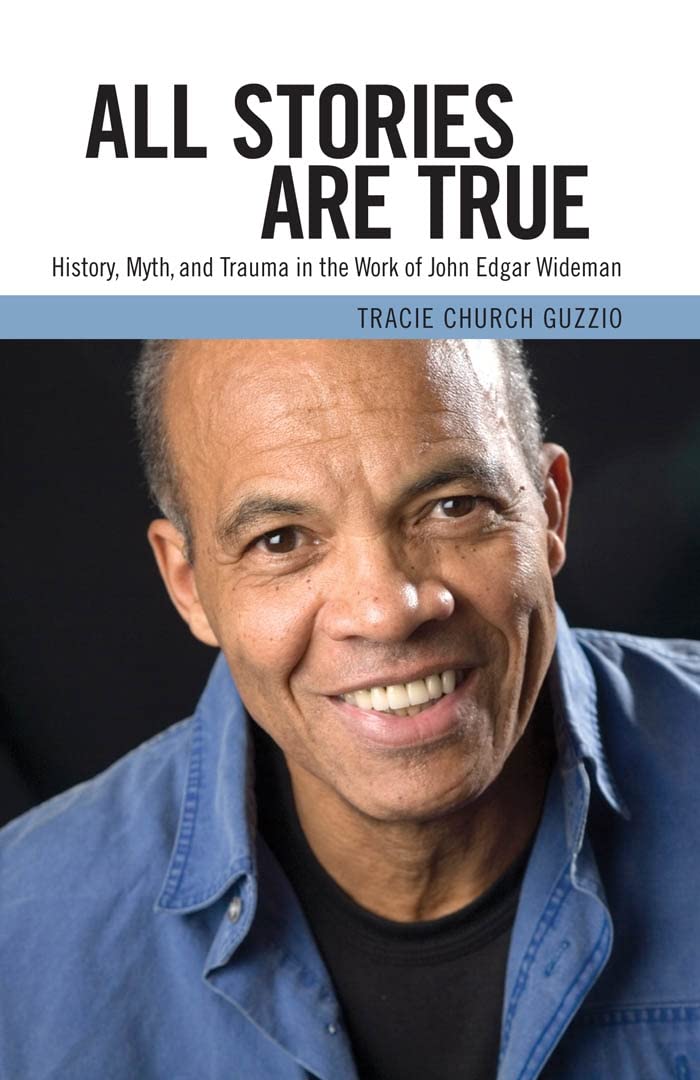
All Stories Are True: History, Myth, and Trauma in the Work of John Edgar Wideman (Margaret Walker Alexander Series in African A,Used
Sold by Ergodebooks, an authorized reseller.
Returns accepted within 30 days | support@ergodebooks.com
Shipping Information
- Free Standard Shipping — United States only
- Processing Time: 3–5 business days
- Estimated Delivery: 6–10 business days after dispatch
- Double-boxed, fully insured & discreetly packaged
- Tracking number sent via email once dispatched
Returns & Refund
Returns accepted within 30 days of delivery.
Damaged or Defective Item
Free return shipping + replacement or full refund
Wrong Item Received
Free return shipping + replacement or full refund
Change of Mind
Return shipping at customer's expense · 25% restocking fee applies
Payment Option

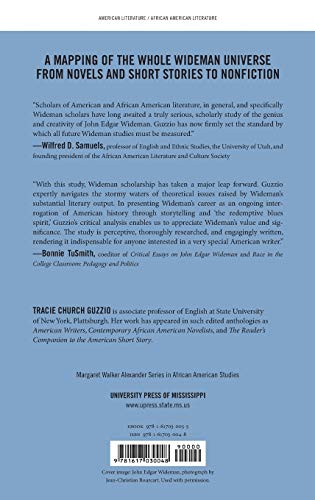
In All Stories Are True, Tracie Church Guzzio provides the first fulllength study of John Edgar Wideman's entire oeuvre to date. Specifically, Guzzio examines the ways in which Wideman (b. 1941) engages with three crucial themeshistory, myth, and traumathroughout his career, showing how they intertwine. Guzzio argues that, for four decades, the influential African American writer has endeavored to create a version of the African American experience that runs counter to mainstream interpretations, using history and myth to confront and then heal the trauma caused by slavery and racism.Wideman's work intentionally blurs boundaries between fiction and autobiography, myth and history, particularly as that history relates to African American experience in his hometown of Pittsburgh, Pennsylvania. The fusion of fiction, national history, and Wideman's personal life is characteristic of his style, whichdue to its complexity and smudging of genre distinctionshas presented analytic difficulties for literary scholars. Despite winning the PEN/Faulkner award twice, for Sent for You Yesterday (1984) and Philadelphia Fire (1990), Wideman remains understudied.Of particular value is Guzzio's analysis of the many ways in which Wideman alludes to his previous works. This intertextuality allows Wideman to engage his books in direct, intentional dialogue with each other through repeated characters, images, folktales, and songs. In Wideman's challenging of a monolithic view of history and presenting alternative perspectives to it, and his allowing past, present, and future time to remain fluid in the narratives, Guzzio finds an author firm in his notion that all stories and all perspectives have merit.
⚠️ WARNING (California Proposition 65):
This product may contain chemicals known to the State of California to cause cancer, birth defects, or other reproductive harm.
For more information, please visit www.P65Warnings.ca.gov.