
Title
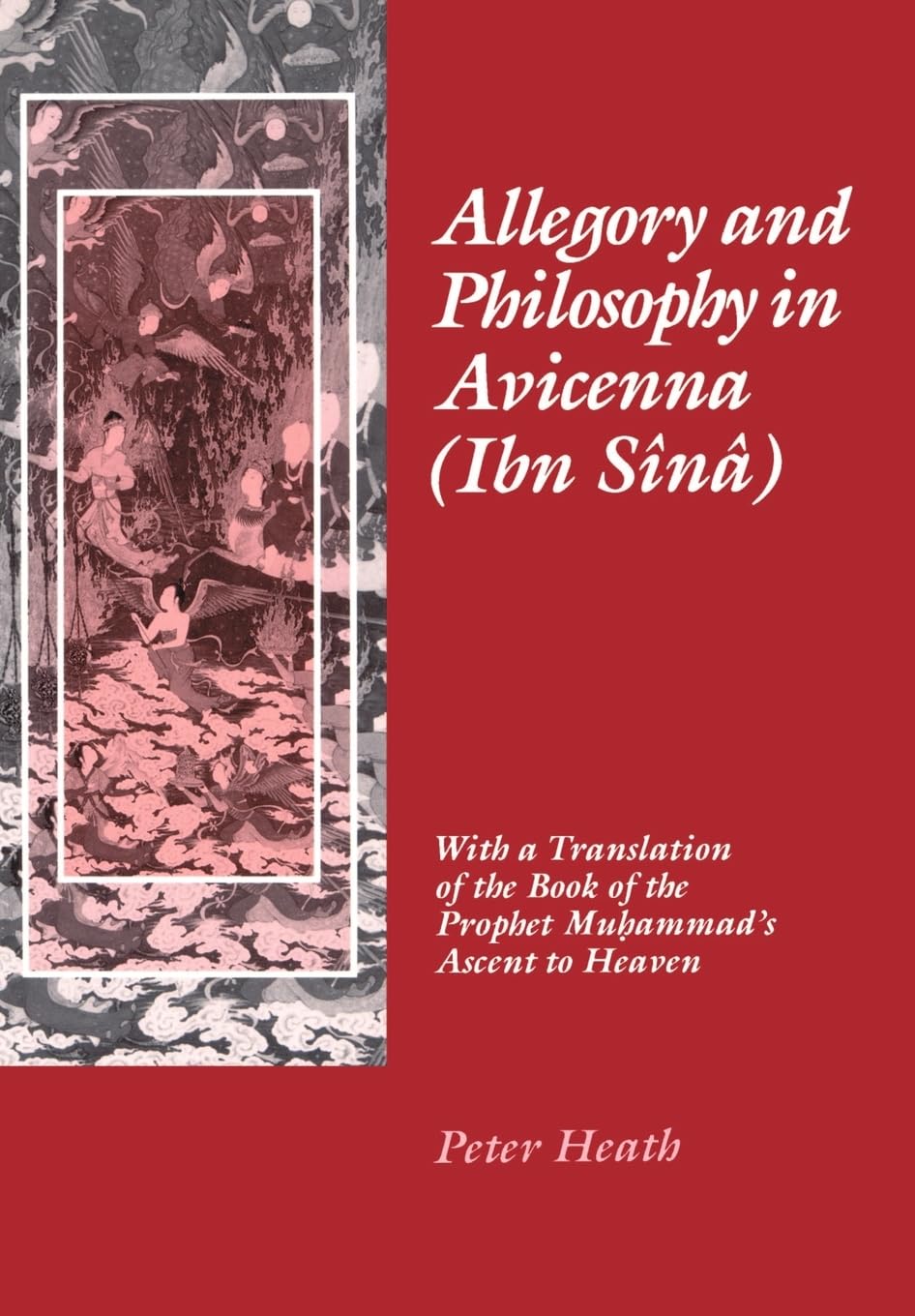
Allegory And Philosophy In Avicenna (Ibn Sn): With A Translation Of The Book Of The Prophet Muhammad'S Ascent To Heaven (The Mid,Used
Sold by Ergodebooks, an authorized reseller.
Returns accepted within 30 days | support@ergodebooks.com
Shipping Information
- Free Standard Shipping — United States only
- Processing Time: 3–5 business days
- Estimated Delivery: 6–10 business days after dispatch
- Double-boxed, fully insured & discreetly packaged
- Tracking number sent via email once dispatched
Returns & Refund
Returns accepted within 30 days of delivery.
Damaged or Defective Item
Free return shipping + replacement or full refund
Wrong Item Received
Free return shipping + replacement or full refund
Change of Mind
Return shipping at customer's expense · 25% restocking fee applies
Payment Option

Islamic allegory is the product of a cohesive literary tradition to which few contributed as significantly as Ibn Sina (Avicenna), the eleventhcentury Muslim philosopher. Peter Heath here offers a detailed examination of Avicenna's contribution, paying special attention to Avicenna's psychology and poetics and to the ways in which they influenced strains of theological, mystical, and literary thought in subsequent Islamicand Westernintellectual and religious history.Heath begins by showing how Avicenna's writings fit into the context and general history of Islamic allegory and explores the interaction among allegory, allegoresis, and philosophy in Avicenna's thought. He then provides a brief introduction to Avicenna as an historical figure. From there, he examines the ways in which Avicenna's cosmological, psychological, and epistemological theories find parallel, if diverse, expression in the disparate formats of philosophical and allegorical narration. Included in this book is an illustration of Avicenna's allegorical practice. This takes the form of a translation of the Mi'raj Nama (The Book of the Prophet Muhammad's Ascent to Heaven), a short treatise in Persian generally attributed to Avicenna.The text concludes with an investigation of the literary dimension Avicenna's allegorical theory and practice by examining his use of description metaphor. Allegory and Philosophy in Avicenna is an original and important work that breaks new ground by applying the techniques of modern literary criticism to the study of Medieval Islamic philosophy. It will be of interest to scholars and students of medieval Islamic and Western literature and philosophy.
⚠️ WARNING (California Proposition 65):
This product may contain chemicals known to the State of California to cause cancer, birth defects, or other reproductive harm.
For more information, please visit www.P65Warnings.ca.gov.