
Title
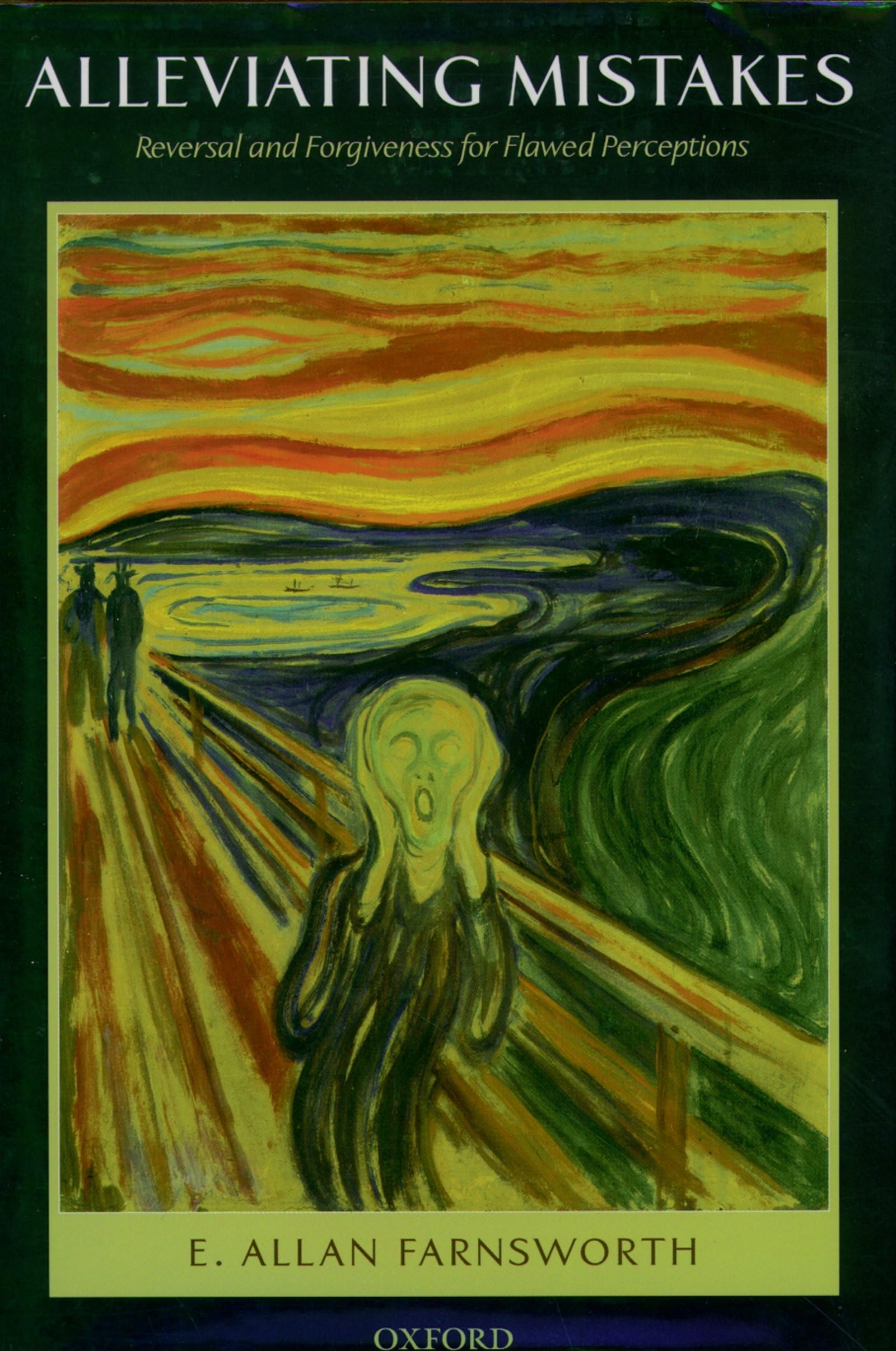
Alleviating Mistakes: Reversal and Forgiveness for Flawed Perceptions,Used
Sold by Ergodebooks, an authorized reseller.
Returns accepted within 30 days | support@ergodebooks.com
Shipping Information
- Free Standard Shipping — United States only
- Processing Time: 3–5 business days
- Estimated Delivery: 6–10 business days after dispatch
- Double-boxed, fully insured & discreetly packaged
- Tracking number sent via email once dispatched
Returns & Refund
Returns accepted within 30 days of delivery.
Damaged or Defective Item
Free return shipping + replacement or full refund
Wrong Item Received
Free return shipping + replacement or full refund
Change of Mind
Return shipping at customer's expense · 25% restocking fee applies
Payment Option

How often our actions go awry because our perceptions are at odds with reality! This book examines the legal issues that arise when we seek to avoid the untoward consequences of an action by claiming that our perception was flawed. We all make mistakes. Some have unfortunate consequences: we might overpay a debt or make an unfavourable contract, or we might be sued or accused of a crime as a result of our mistake.Claims to alleviation on the grounds of mistake are likely to arise wherever the law prescribes a state of mind (some kind of intent) as a prerequisite for the application of a legal rule. This book asks when the fact that a person made a mistake should entitle them to alleviation. This may involve the intention to enter into a contract or a payment, in which case a person could seek its reversal, or it might involve the intent to commit a tort or crime, in which case they could seek forgiveness for the offence. Farnsworth defines 'alleviating' mistakes as those which entitle a person to relief from untoward consequences of their mistake.There is no general 'law of mistake', and despite their similarities, few discussions of mistake in one setting pause to consider mistakes in other contexts. The goals of fields as disparate as contracts and criminal law are very different: how do these differences affect the treatment of mistakes? Farnsworth sets out a new taxonomy of mistakes. His analysis reveals that over the past century, there has been a remarkable increase in the receptivity of courts and scholars to claims for both reversal and forgivenessa waxing of alleviating mistakes.
⚠️ WARNING (California Proposition 65):
This product may contain chemicals known to the State of California to cause cancer, birth defects, or other reproductive harm.
For more information, please visit www.P65Warnings.ca.gov.