
Title
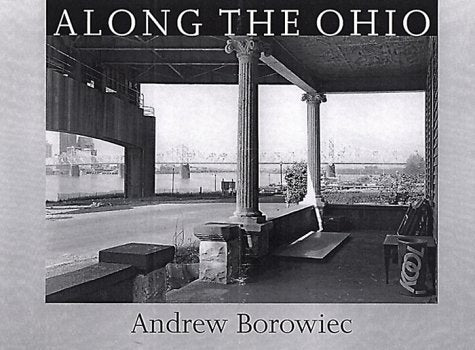
Along The Ohio (Creating The North American Landscape),New
Sold by Ergodebooks, an authorized reseller.
Returns accepted within 30 days | support@ergodebooks.com
Shipping Information
- Free Standard Shipping — United States only
- Processing Time: 3–5 business days
- Estimated Delivery: 6–10 business days after dispatch
- Double-boxed, fully insured & discreetly packaged
- Tracking number sent via email once dispatched
Returns & Refund
Returns accepted within 30 days of delivery.
Damaged or Defective Item
Free return shipping + replacement or full refund
Wrong Item Received
Free return shipping + replacement or full refund
Change of Mind
Return shipping at customer's expense · 25% restocking fee applies
Payment Option

From Its Formation In Pittsburgh To Its Confluence With The Mississippi At Cairo, Illinois, The Ohio River Passes Through A Landscape That Is, For Photographer Andrew Borowiec, 'Both Exotic And Authentically American.' Borowiec'S Eighty Duotone Images Explore The Cultural Landscape Of This Region, Presenting Clapboard Houses And White Picket Fences, Pickup Trucks And Rusting Sedans, Back Yards With Satellite Dishes Or With Barbecue Grills Made From Fiftyfivegallon Oil Drums. The Pictures Concentrate On The Common Scenes Of Everyday Life And Work, Especially In The Small, Mostly Bluecollar Towns Along The Ohio. While Taking These Photographs, Borowiec Says, He Came To Realize That 'The Region'S Story Was Central To America'S Evolution From Colonial Wilderness To Industrial Superpower.'Along The Ohio Illustrates The Current Condition Of A Region That Was Essential To The Economic Vitality Of The United States. Many Factories, Once A Source Of Prosperity, Lie Idle. Houses And Banks Stand Boarded Up And Rusting Machinery Litters The River'S Edge. But Borowiec'S Camera Finds A Resilient Strength, Even Among Deteriorating Homescarefully Mowed Lawns Or Freshly Painted Fences Are Signs That Residents Still Strive For Pride And The American Dream, Despite Their Lessthanideal Circumstances.To Take His Photographs, Borowiec Preferred To Walk Along Back Alleys, In The Belief That The Rear Of A House Tells More About Its Residents Than They Might Reveal In Their Front Yard. Although There Are Few Pictures With People In Them, The Human Presence Is Evident In All Of These Photographsthey Capture An Environment That Has Been Transformed By Its Residents. These Residents, Initially Suspicious Of This Man With A Camera, Peering Over Fences, Soon Responded To Borowiec'S Interest With Local Legends And Suggestions For Places To Photograph. In The Same Way, The Photographer Clearly Grew To Identify With His Subjectsa Fact Especially Evident In A Series Of Poignant And Sympathetic Images Taken During The 1997 Flood And Its Aftermath.Borowiec Observes In The Introduction: 'The Social And Economic Condition Of The Ohio River Valley Mirrors That Of Countless Places In The United States Where People Are Not As Well Off As They Once Were Or As They Would Like To Be.' His Photographs Constitute An Original Artistic Statement About Life In The Postindustrial United States.
⚠️ WARNING (California Proposition 65):
This product may contain chemicals known to the State of California to cause cancer, birth defects, or other reproductive harm.
For more information, please visit www.P65Warnings.ca.gov.