If you have any questions, you are always welcome to contact us. We'll get back to you as soon as possible, withing 24 hours on weekdays.
Customer service
All questions about your order, return and delivery must be sent to our customer service team by e-mail at yourstore@yourdomain.com
Sale & Press
If you are interested in selling our products, need more information about our brand or wish to make a collaboration, please contact us at press@yourdomain.com
Help
If you have any questions, you are always welcome to contact us. We'll get back to you as soon as possible, withing 24 hours on weekdays.
Customer service
All questions about your order, return and delivery must be sent to our customer service team by e-mail at yourstore@yourdomain.com
Sale & Press
If you are interested in selling our products, need more information about our brand or wish to make a collaboration, please contact us at press@yourdomain.com
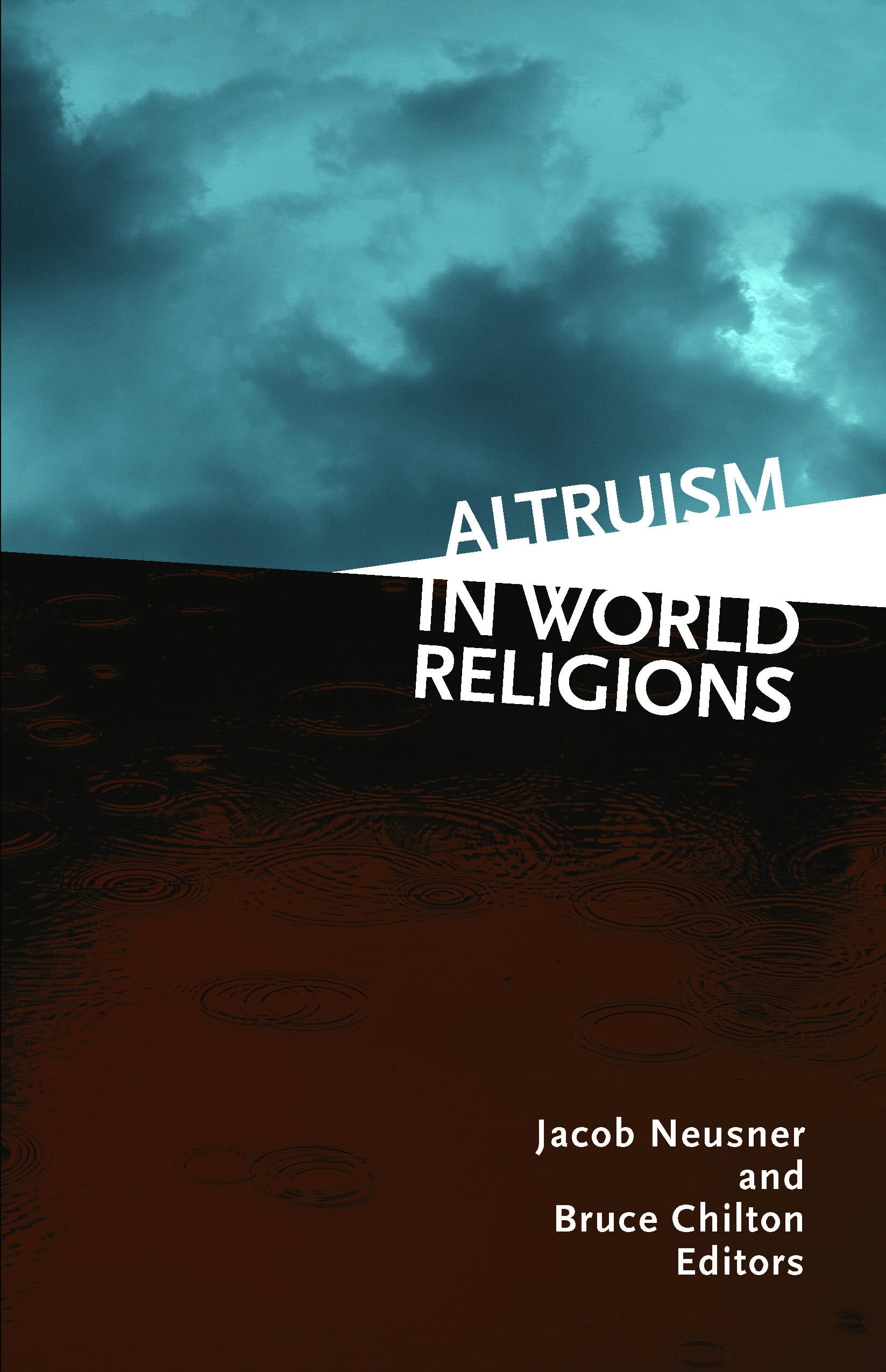
In 1830 philosopher Auguste Comte coined the term altruism to provide a general definition for the act of selflessly caring for others. But does this modern conception of sacrificing one's own interests for the wellbeing of others apply to the charitable behaviors encouraged by all world religions? In Altruism in World Religionsprominent scholars from an array of religious perspectives probe the definition of altruism to determine whether it is a category that serves to advance the study of religion.Exploring a range of philosophical and religious thought from GrecoRoman philia to Judaism, Christianity, and Islam, from Hinduism in India to Buddhism and the religions of China and Japan, the authors find that altruism becomes problematic when applied to religious studies because it is, in fact, a concept absent from religion. Chapters on Judaism, Christianity, and Islam reveal that followers of these religions cannot genuinely perform selfsacrificing acts because God has promised to reward every good deed. Moreover, the separation between the self and the other that selfsacrifice necessarily implies, runs counter to Buddhist thought, which makes no such distinction.By challenging our assumptions about the act of selfsacrifice as it relates to religious teachings, the authors have shown altruism to be more of a secular than religious notion. At the same time, their findings highlight how charitable acts operate with the values and structures of the religions studied.
⚠️ WARNING (California Proposition 65):
This product may contain chemicals known to the State of California to cause cancer,
birth defects, or other reproductive harm.
For MAP (Minimum Advertised Price) violations and Intellectual Property (IP) or Trademark concerns, please contact:
support@ergodebooks.com
⚠️ California Proposition 65 Warning: Some products sold on this website may expose you to chemicals known to the State of California to cause cancer, birth defects, or other reproductive harm. For more information, visit www.P65Warnings.ca.gov.