

Title
America and the Tintype: By Steven Kasher,Used
Sold by Ergodebooks, an authorized reseller.
Returns accepted within 30 days | support@ergodebooks.com
Shipping Information
- Free Standard Shipping — United States only
- Processing Time: 3–5 business days
- Estimated Delivery: 6–10 business days after dispatch
- Double-boxed, fully insured & discreetly packaged
- Tracking number sent via email once dispatched
Returns & Refund
Returns accepted within 30 days of delivery.
Damaged or Defective Item
Free return shipping + replacement or full refund
Wrong Item Received
Free return shipping + replacement or full refund
Change of Mind
Return shipping at customer's expense · 25% restocking fee applies
Payment Option

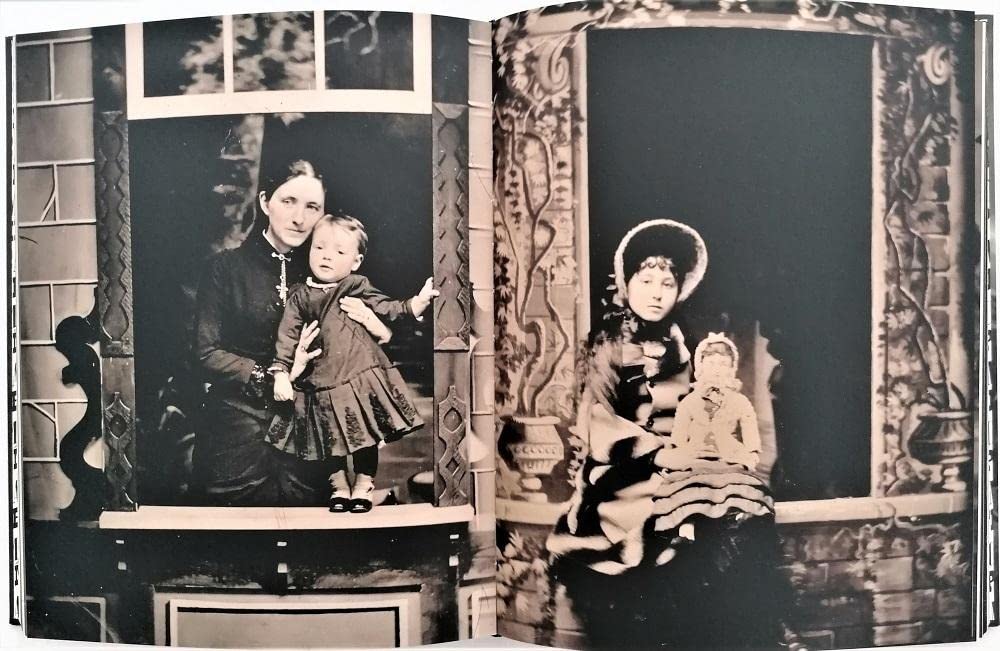
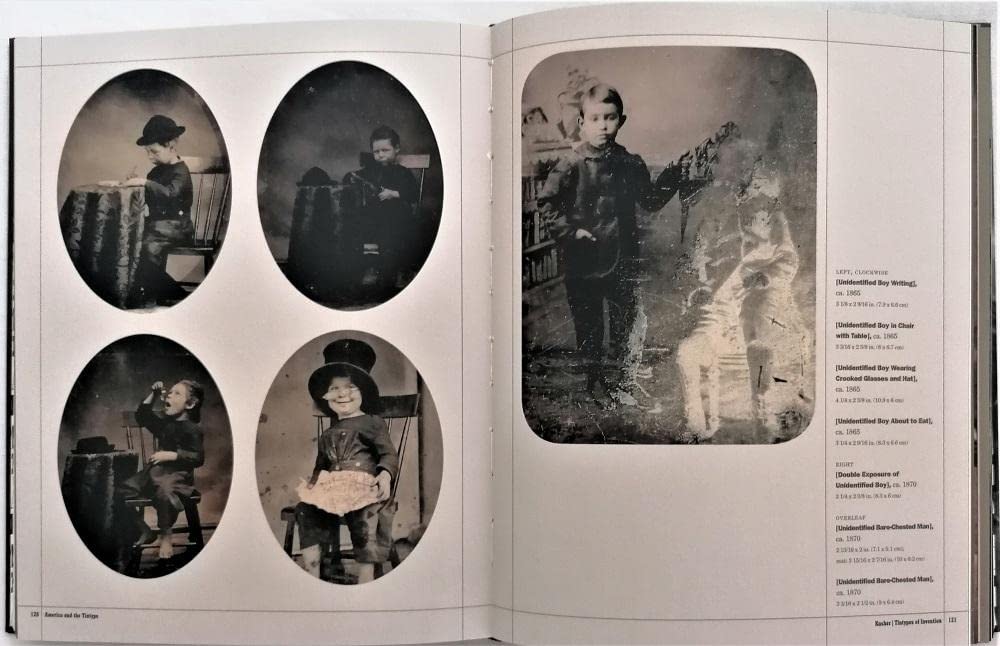
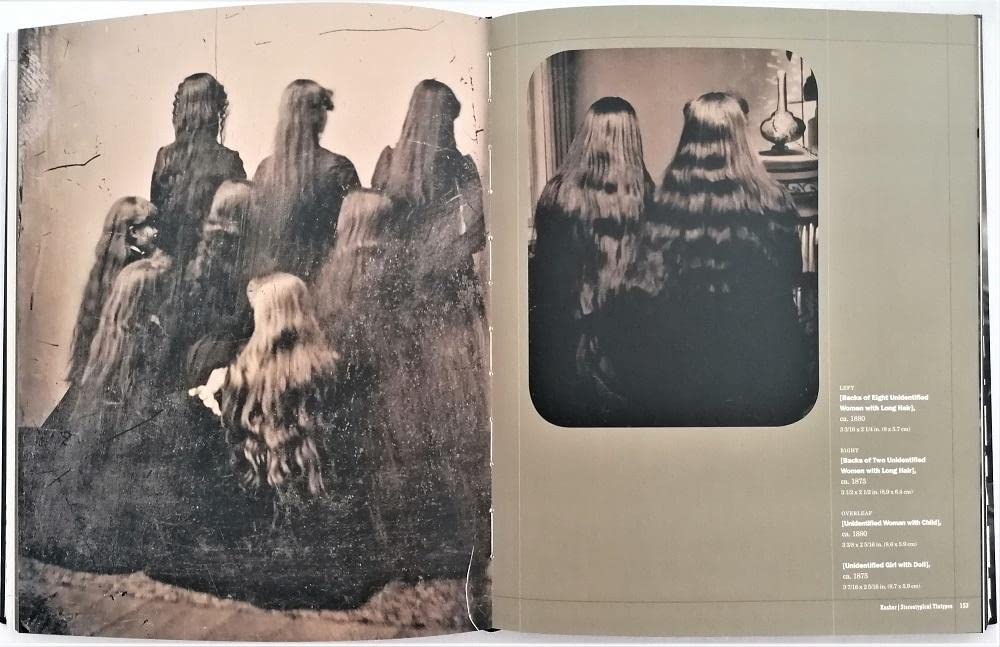
One of the most intriguing and little studied forms of nineteenthcentury photography is the tintype. Introduced in 1856 as a lowcost alternative to the daguerreotype and the albumen print, the tintype was widely marketed from the 1860s through the first decades of the twentieth century as the most popular photographic medium. The picturemaking preference of the people, it was almost never used for celebrity portraiture: It was affordable, portable, unique and available almost everywhere. Because of its ubiquity, the tintype provides a startlingly candid record of the political upheavals that rocked the four decades following the American Civil Warand the personal anxieties they induced. As this book's author, Steven Kasher, argues, the tintype studio became a kind of performance space in which sitters could act out their personal identities. Sitters brought to the tintype studio not just their family and friends but also the tools of their trade, costumes, toys, stuffed animals and other such props. Often they would enact stereotypes and fantasies that reflected or challenged conventional gender, race and class roles. Surprisingly, the tintype was almost exclusively an American phenomenon, rarely used in other countries, and this book demonstrates how this modest form of photography provides extraordinary insight into the development of national attitudes and characteristics in the formative years of the early Modern era. Featured in this book are more than 200 remarkable examples of tintypes, mostly drawn from the Permanent Collection of the International Center of Photography in New York.Steven Kasher is a gallery owner, writer, curator and publisher. His gallery specializes in (but is not limited to) social, historical and art photography from the 1950s through the 1980s. He is the author of Abbeville's The Civil Rights Movement: A Photographic History, 195468 (1996) and has curated exhibitions about the Movement for more than 20 institutions worldwide. Over the past four years, he has made numerous critically acclaimed books with Steidl, among them Mike Disfarmer: Original Disfarmer Photographs (2005), Least Wanted: A Century of American Mugshots (2006), A Maysles Scrapbook: Photographs/Cinemagraphs/Documents (2007) and Chauncey Hare: Protest Photographs (2008).
⚠️ WARNING (California Proposition 65):
This product may contain chemicals known to the State of California to cause cancer, birth defects, or other reproductive harm.
For more information, please visit www.P65Warnings.ca.gov.