
Title
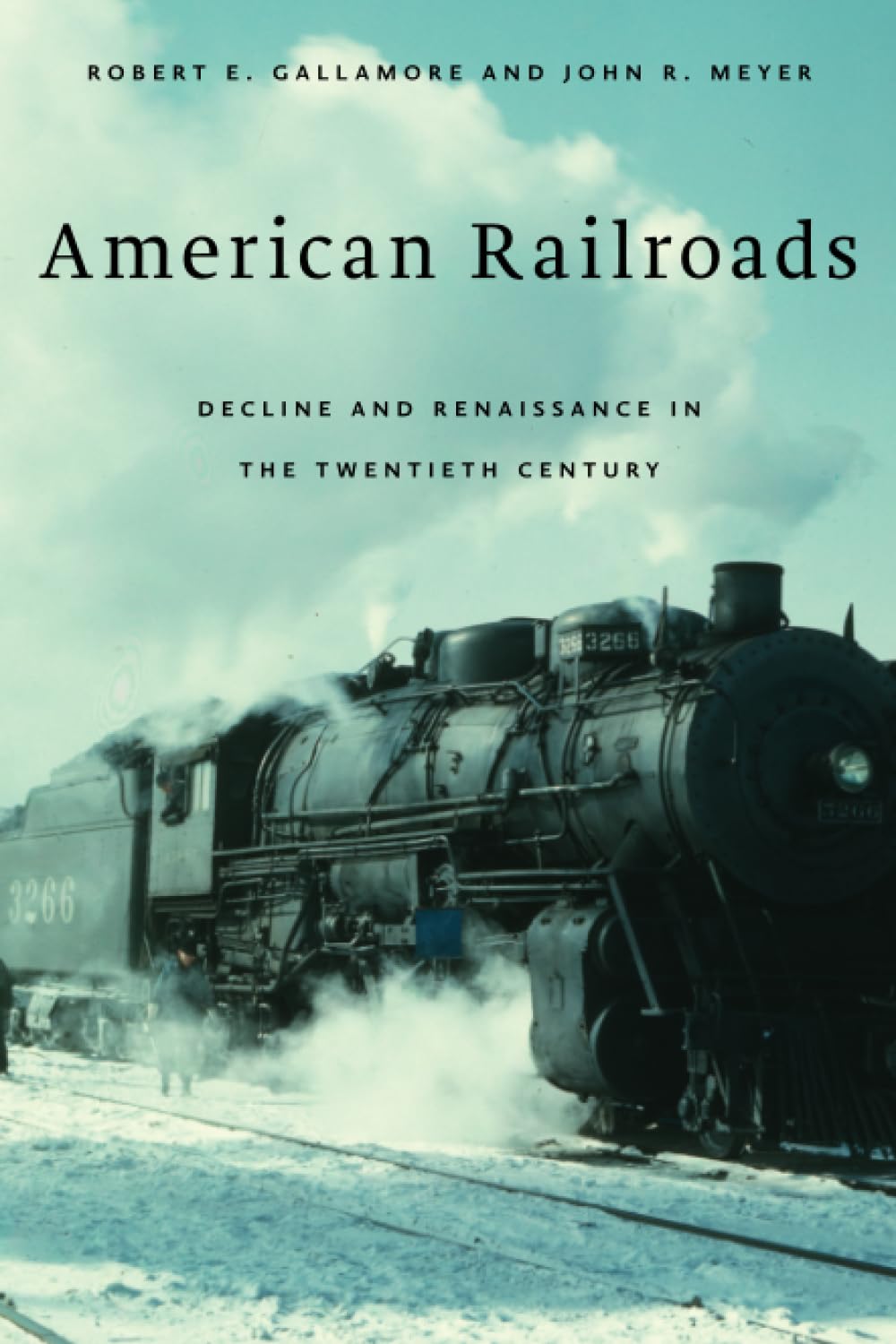
American Railroads: Decline And Renaissance In The Twentieth Century,Used
Sold by Ergodebooks, an authorized reseller.
Returns accepted within 30 days | support@ergodebooks.com
Shipping Information
- Free Standard Shipping — United States only
- Processing Time: 3–5 business days
- Estimated Delivery: 6–10 business days after dispatch
- Double-boxed, fully insured & discreetly packaged
- Tracking number sent via email once dispatched
Returns & Refund
Returns accepted within 30 days of delivery.
Damaged or Defective Item
Free return shipping + replacement or full refund
Wrong Item Received
Free return shipping + replacement or full refund
Change of Mind
Return shipping at customer's expense · 25% restocking fee applies
Payment Option

Once an icon of American industry, railroads fell into a long decline beginning around the turn of the twentieth century. Overburdened with regulation and often displaced by barge traffic on governmentmaintained waterways, trucking on interstate highways, and jet aviation, railroads measured their misfortune in lost market share, abandoned track, bankruptcies, and unemployment. Today, however, as Robert Gallamore and John Meyer demonstrate, rail transportation is reviving, rescued by new sources of traffic and advanced technology, as well as less onerous bureaucracy.In 1970, Congress responded to the industry's plight by consolidating most passenger rail service nationwide into Amtrak. But privatesector freight service was left to succeed or fail on its own. The renaissance in freight traffic began in 1980 with the Staggers Rail Act, which allowed railroad companies to contract with customers for services and granted freedom to set most rates based on market supply and demand. Railroads found new business hauling lowsulfur coal and grain long distances in redesigned freight cars, while doublestacked container cars moved a growing volume of both international and domestic goods. Today, trains have smaller crews, operate over better track, and are longer and heavier than ever before.Near the end of the twentieth century, after several difficult but important mergers, privately owned railroads increased their investments in safe, energyefficient, environmentally friendly freight transportation. American Railroads tells a riveting story about how this crucial U.S. industry managed to turn itself around.
⚠️ WARNING (California Proposition 65):
This product may contain chemicals known to the State of California to cause cancer, birth defects, or other reproductive harm.
For more information, please visit www.P65Warnings.ca.gov.