
Title
America'S Great Game: The Cia'S Secret Arabists And The Shaping Of The Modern Middle East
Sold by Ergodebooks, an authorized reseller.
Returns accepted within 30 days | support@ergodebooks.com
Shipping Information
- Free Standard Shipping — United States only
- Processing Time: 3–5 business days
- Estimated Delivery: 6–10 business days after dispatch
- Double-boxed, fully insured & discreetly packaged
- Tracking number sent via email once dispatched
Returns & Refund
Returns accepted within 30 days of delivery.
Damaged or Defective Item
Free return shipping + replacement or full refund
Wrong Item Received
Free return shipping + replacement or full refund
Change of Mind
Return shipping at customer's expense · 25% restocking fee applies
Payment Option

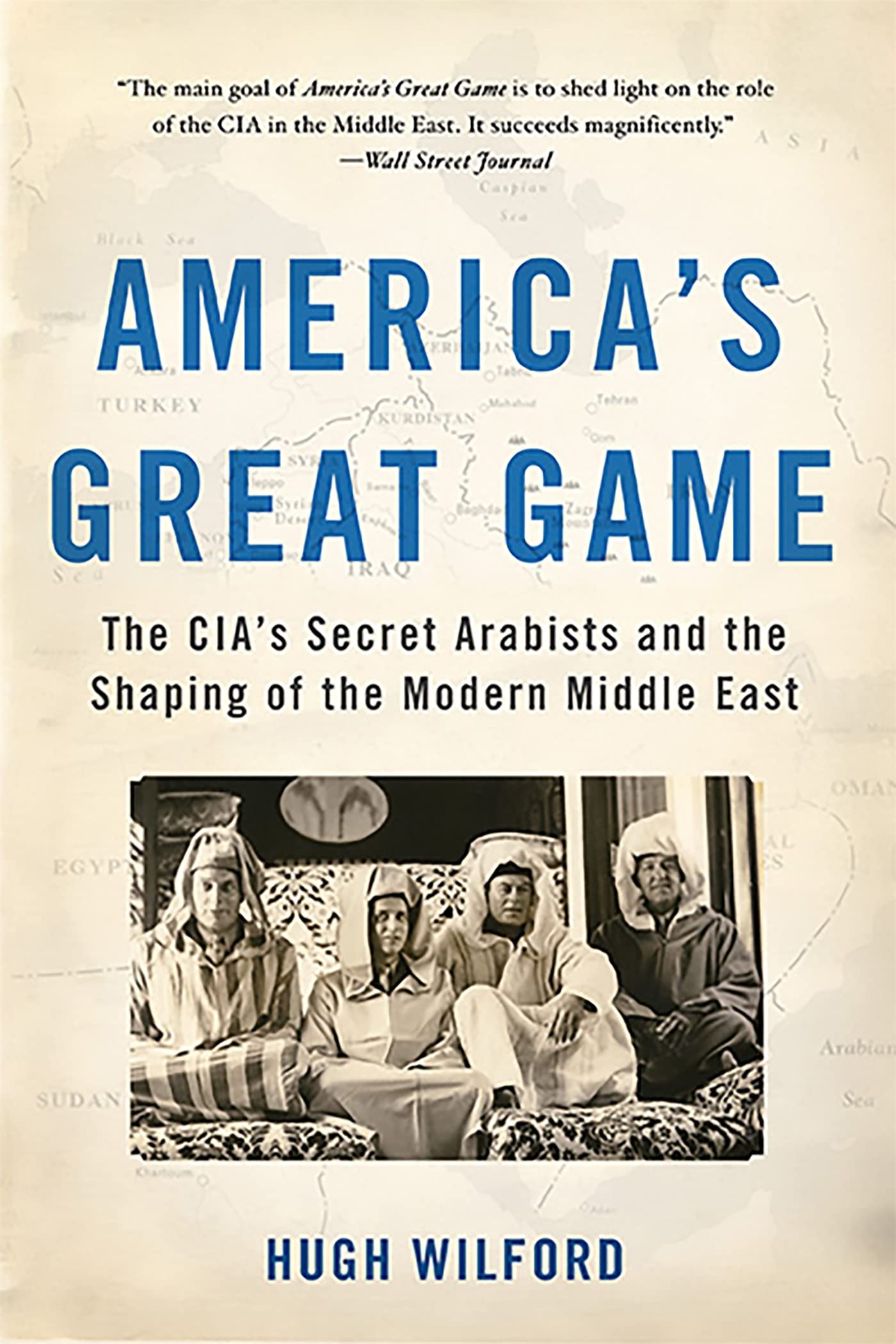
From the 9/11 attacks to waterboarding to drone strikes, relations between the United States and the Middle East seem caught in a downward spiral. And all too often, the Central Intelligence Agency has made the situation worse. But this crisis was not a historical inevitability far from it. Indeed, the earliest generation of CIA operatives was actually the region's staunchest western ally.In America's Great Game, celebrated intelligence historian Hugh Wilford reveals the surprising history of the CIA's proArab operations in the 1940s and 50s by tracing the work of the agency's three most influential and colorful officers in the Middle East. Kermit 'Kim' Roosevelt was the grandson of Theodore Roosevelt and the first head of CIA covert action in the region; his cousin, Archie Roosevelt, was a Middle East scholar and chief of the Beirut station. The two Roosevelts joined combined forces with Miles Copeland, a maverick covert operations specialist who had joined the American intelligence establishment during World War II. With their deep knowledge of Middle Eastern affairs, the three men were heirs to an American missionary tradition that engaged Arabs and Muslims with respect and empathy. Yet they were also fascinated by imperial intrigue, and were eager to play a modern rematch of the 'Great Game,' the nineteenthcentury struggle between Britain and Russia for control over central Asia. Despite their good intentions, these 'Arabists' propped up authoritarian regimes, attempted secretly to sway public opinion in America against support for the new state of Israel, and staged coups that irrevocably destabilized the nations with which they empathized. Their efforts, and ultimate failure, would shape the course of U.S. Middle Eastern relations for decades to come.Based on a vast array of declassified government records, private papers, and personal interviews, America's Great Game tells the riveting story of the merry band of CIA officers whose spy games forever changed U.S. foreign policy.
⚠️ WARNING (California Proposition 65):
This product may contain chemicals known to the State of California to cause cancer, birth defects, or other reproductive harm.
For more information, please visit www.P65Warnings.ca.gov.
- Q: What is the page count of 'America's Great Game'? A: The book has three hundred ninety-nine pages. It provides a detailed exploration of the CIA's operations in the Middle East.
- Q: What is the binding type of 'America's Great Game'? A: This book is available in paperback binding. This makes it lightweight and easy to handle for reading.
- Q: What are the dimensions of 'America's Great Game'? A: The book measures six inches in length, one inch in width, and nine point zero two inches in height. These dimensions make it a standard-sized paperback.
- Q: Who is the author of 'America's Great Game'? A: The author is Hugh Wilford. He is a celebrated intelligence historian known for his work on U.S. foreign policy.
- Q: What is the main theme of 'America's Great Game'? A: The main theme revolves around U.S. relations with the Middle East and the CIA's historical role. It analyzes how the agency's actions shaped these relations.
- Q: How should I read 'America's Great Game'? A: You can read this book at your own pace. It is suitable for anyone interested in history, foreign policy, or intelligence operations.
- Q: Is 'America's Great Game' suitable for young readers? A: This book is not specifically tailored for young readers. It covers complex historical and political themes that may be better understood by adults.
- Q: Can I use 'America's Great Game' for academic purposes? A: Yes, this book is suitable for academic studies. It provides extensive research and insights into CIA operations, making it a valuable resource.
- Q: What should I do to keep 'America's Great Game' in good condition? A: To maintain this book, store it in a dry place away from direct sunlight. Avoid bending or damaging the spine when reading.
- Q: Is there a warranty for 'America's Great Game'? A: Typically, books do not come with warranties. However, you can check with the retailer for their return policy.
- Q: What if 'America's Great Game' arrives damaged? A: If the book arrives damaged, contact the seller for a return or exchange. Most retailers have policies for damaged products.
- Q: How does 'America's Great Game' compare to other history books? A: It offers a unique perspective on CIA operations not commonly found in other history books. It specifically focuses on the Middle East's influence on U.S. foreign policy.
- Q: Is 'America's Great Game' a good choice for someone interested in espionage? A: Yes, it's an excellent choice for those interested in espionage. It details the CIA's covert actions and their implications on international relations.
- Q: What are the key features of 'America's Great Game'? A: Key features include its extensive research, engaging storytelling, and focus on CIA operations during the 1940s and 50s in the Middle East.
- Q: Does 'America's Great Game' include any personal interviews? A: Yes, the book is based on personal interviews and declassified records. This approach adds depth to the historical narrative.
- Q: What historical events does 'America's Great Game' cover? A: It covers events from the 9/11 attacks to earlier CIA operations, including waterboarding and drone strikes in the Middle East.