
Title

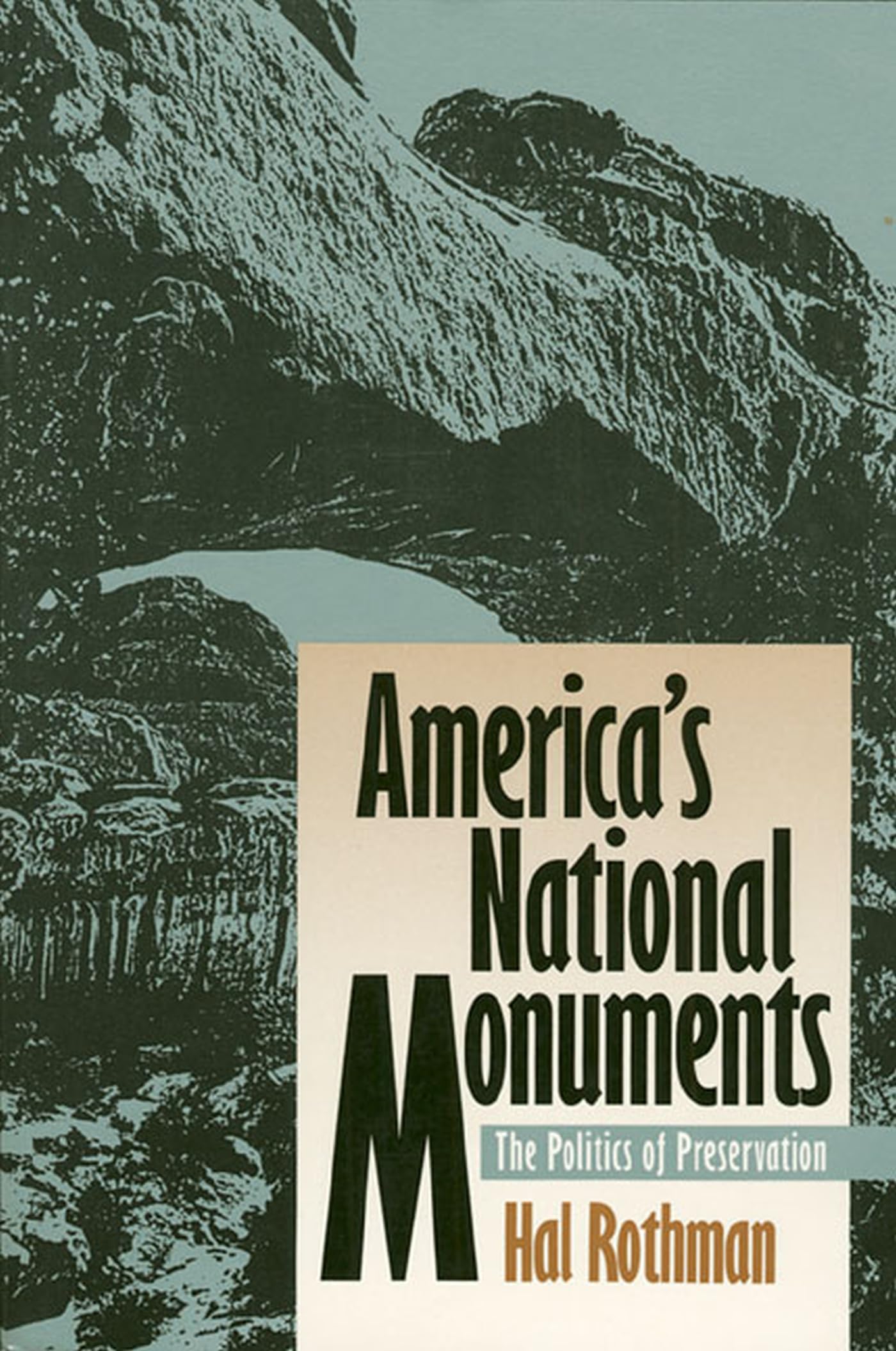
America's National Monuments: The Politics of Preservation,Used
Sold by Ergodebooks, an authorized reseller.
Returns accepted within 30 days | support@ergodebooks.com
Shipping Information
- Free Standard Shipping — United States only
- Processing Time: 3–5 business days
- Estimated Delivery: 6–10 business days after dispatch
- Double-boxed, fully insured & discreetly packaged
- Tracking number sent via email once dispatched
Returns & Refund
Returns accepted within 30 days of delivery.
Damaged or Defective Item
Free return shipping + replacement or full refund
Wrong Item Received
Free return shipping + replacement or full refund
Change of Mind
Return shipping at customer's expense · 25% restocking fee applies
Payment Option

With the stroke of a pen, Theodore Roosevelt created the Grand Canyon National Monument in 1908. Without his quick action, commercial developers, already coveting this national treasure, would have invaded the canyon's floor. Not until eleven years later did Congress make it a national park, an act that provided funds for development and preservation unavailable to national monuments.According to Hal Rothman, the designation of national monumentdecided at the discretion of the presidentwas the saving grace for many natural and archaeologically significant sites as debates on national park designations languished in Congress. But lacking sufficient financial backing, national monuments inevitably ended up taking a back seat to the national park system in the early twentieth century.Looking at the history of the national monuments, from the passage of the Antiquities Act of 1906allowing for presidential designation of monumentsto the present, Rothman traces the evolution of federal preservation. He shows how laws, policies, personalities, personal and bureaucratic rivalries, and a changing cultural climate affected preservation efforts. And he illustrates how the national park system has functioned and changed over the years as public officials have tried to implement federal policy at the grassroots level.The Antiquities Act, he contends, has been undervalued and ignored by contemporary observers and historians. In fact, he demonstrates, it is the most important piece of preservation legislation ever enacted by the U.S. government. Without it, many significant sites would have been destroyed as a result of congressional inertia and indifference.Rothman examines the evolution of this vital legislation, originally designed to preserve archaeological sites in the Southwest but later also used to maintain other significant prehistoric, historic, and natural features. He explains how the act became less significant as New Deal financing became available for the park system in the 1930s; how expansion and reorganization of the National Park Service brought more money and status to national monuments; and how, by the 1960s, national monuments had been integrated into the modern management system for park areas. Set in the context of the regulatory century, this book offers important new insights about how the American past has been preserved and packaged for the public.
⚠️ WARNING (California Proposition 65):
This product may contain chemicals known to the State of California to cause cancer, birth defects, or other reproductive harm.
For more information, please visit www.P65Warnings.ca.gov.