
Title
America's Spiritual Utopias: The Quest for Heaven on Earth,Used
Processing time: 1-3 days
US Orders Ships in: 3-5 days
International Orders Ships in: 8-12 days
Return Policy: 15-days return on defective items
Payment Option

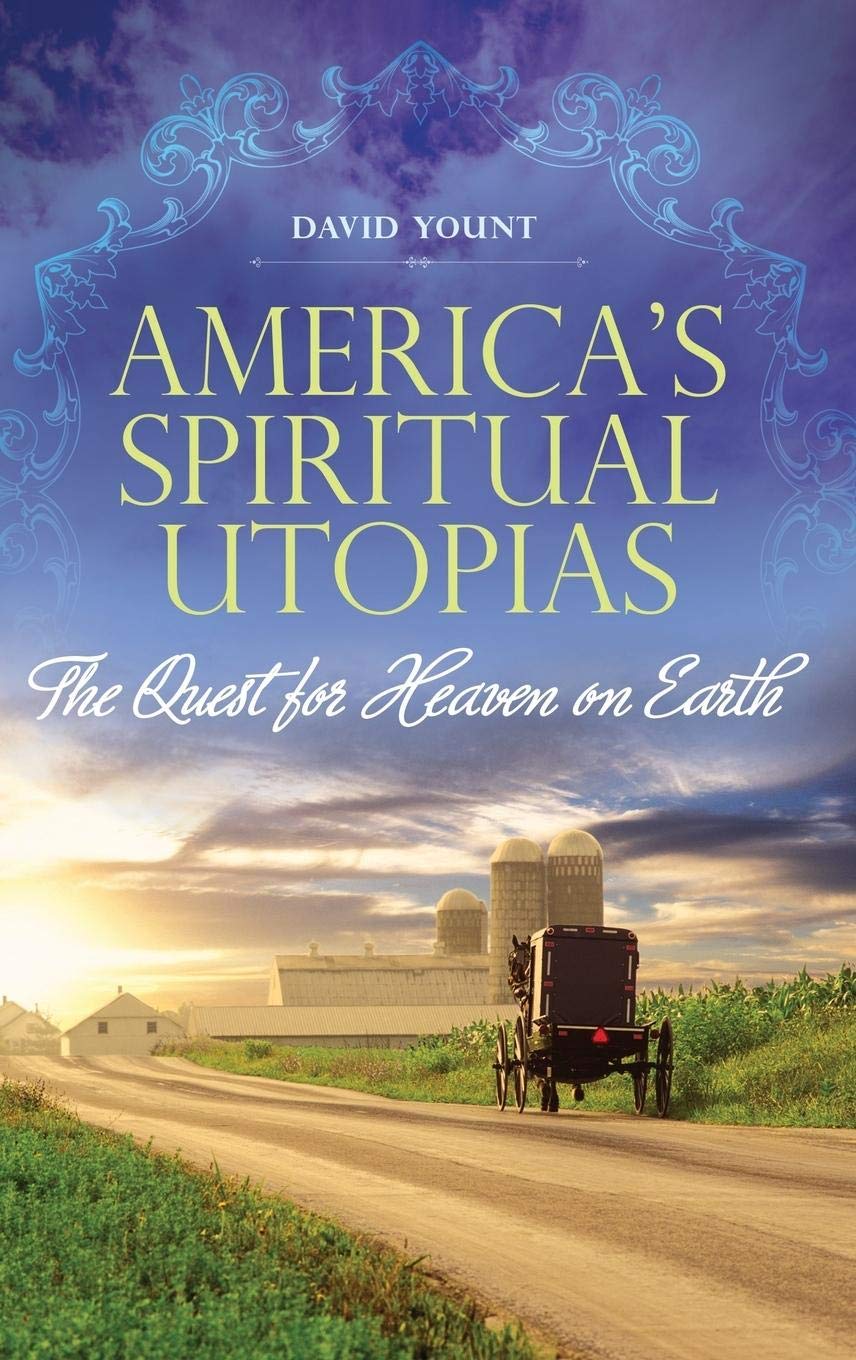
There are some 20,000 utopian communities in presentday America. Most of them keep a low profile, welcoming new members without advertising for them. Nearly all are hidden from view in rural America, in city slums, behind monastery walls. A majority of them are motivated by religious faith and seek to approximate heaven on earth. Some are startlingly successful. Utopian communities share a belief in the essential goodness of human nature and the possibility of personal perfection. The glue that binds them is not coercion, but commitment. Most are radically egalitarian. Their members are persuaded that their individual interests coincide with the values of the group, which stands in the place of God. The earliest Christians embraced a communal life of mutual caring, prompting pagans of the time to marvel, See how they love one another. Contemporary spiritual communities in America enjoy the same motivation. For a disconnected society obsessed with unfettered freedom and acquisitiveness, they demonstrate the power of fellowship and sharing over individual isolation and narrow selfinterest. These are their stories.From the outset, settlers freed from the cynicism of the Old World welcomed the opportunity that beckoned in the New. The Puritans conceived of Massachusetts as the biblical City on a Hill. The Quakers made Pennsylvania a Holy Experiment. Like the Israelites before them, the Mormons trekked through a desert to create an empire of the spirit. Even failed utopias offer lessons. The Shakers are remembered today for their furniture, tools, and songs, but in their time they attracted thousands to a devout life of simple abundance in community. It was only because they were celibate that their numbers decreased. By contrast, the Amish still thrive because their birth rate is three times the national average. Today there are 660 Amish congregations across 20 states 14,000 of the simple farmers in Lancaster County, Pennsylvania alone. Most of the communes that flourished in the counterculture of the 1960s and 70s failed for lack of resources and rules. But some, motivated by spirituality rather than anarchy, have become models of selfsustaining modern Edens. Here, Yount describes the history and place of several utopian communities in America, offering a glimpse into their lives, beliefs, and the ideas that sustain them.
⚠️ WARNING (California Proposition 65):
This product may contain chemicals known to the State of California to cause cancer, birth defects, or other reproductive harm.
For more information, please visit www.P65Warnings.ca.gov.
- Q: What is the main theme of 'America's Spiritual Utopias'? A: 'America's Spiritual Utopias' explores the existence and stories of various utopian communities in America, highlighting their motivations, beliefs, and the communal life they foster.
- Q: Who is the author of this book? A: The book is authored by David Yount.
- Q: How many pages does the book have? A: The book contains 184 pages.
- Q: What is the binding type of this book? A: This book is available in hardcover binding.
- Q: When was 'America's Spiritual Utopias' published? A: The book was published on May 30, 2008.
- Q: What type of communities are described in the book? A: The book describes various spiritual and religious utopian communities in America, focusing on their beliefs in personal perfection and communal living.
- Q: Is this book suitable for someone interested in religious studies? A: Yes, this book is suitable for anyone interested in religious studies, spirituality, or the sociology of communities.
- Q: What insights does the book provide about the Amish? A: The book offers insights into the Amish lifestyle, highlighting their thriving communities and the reasons behind their sustained growth compared to other utopian groups.
- Q: Does the book include any historical context? A: Yes, the book provides historical context by discussing early settlers' beliefs and how they influenced the formation of various utopian communities.
- Q: Can I find examples of both successful and failed utopian communities in the book? A: Yes, the book discusses both successful utopian communities and those that failed, providing lessons learned from their experiences.