
Title
Americas Working Poor,Used
Sold by Ergodebooks, an authorized reseller.
Returns accepted within 30 days | support@ergodebooks.com
Shipping Information
- Free Standard Shipping — United States only
- Processing Time: 3–5 business days
- Estimated Delivery: 6–10 business days after dispatch
- Double-boxed, fully insured & discreetly packaged
- Tracking number sent via email once dispatched
Returns & Refund
Returns accepted within 30 days of delivery.
Damaged or Defective Item
Free return shipping + replacement or full refund
Wrong Item Received
Free return shipping + replacement or full refund
Change of Mind
Return shipping at customer's expense · 25% restocking fee applies
Payment Option

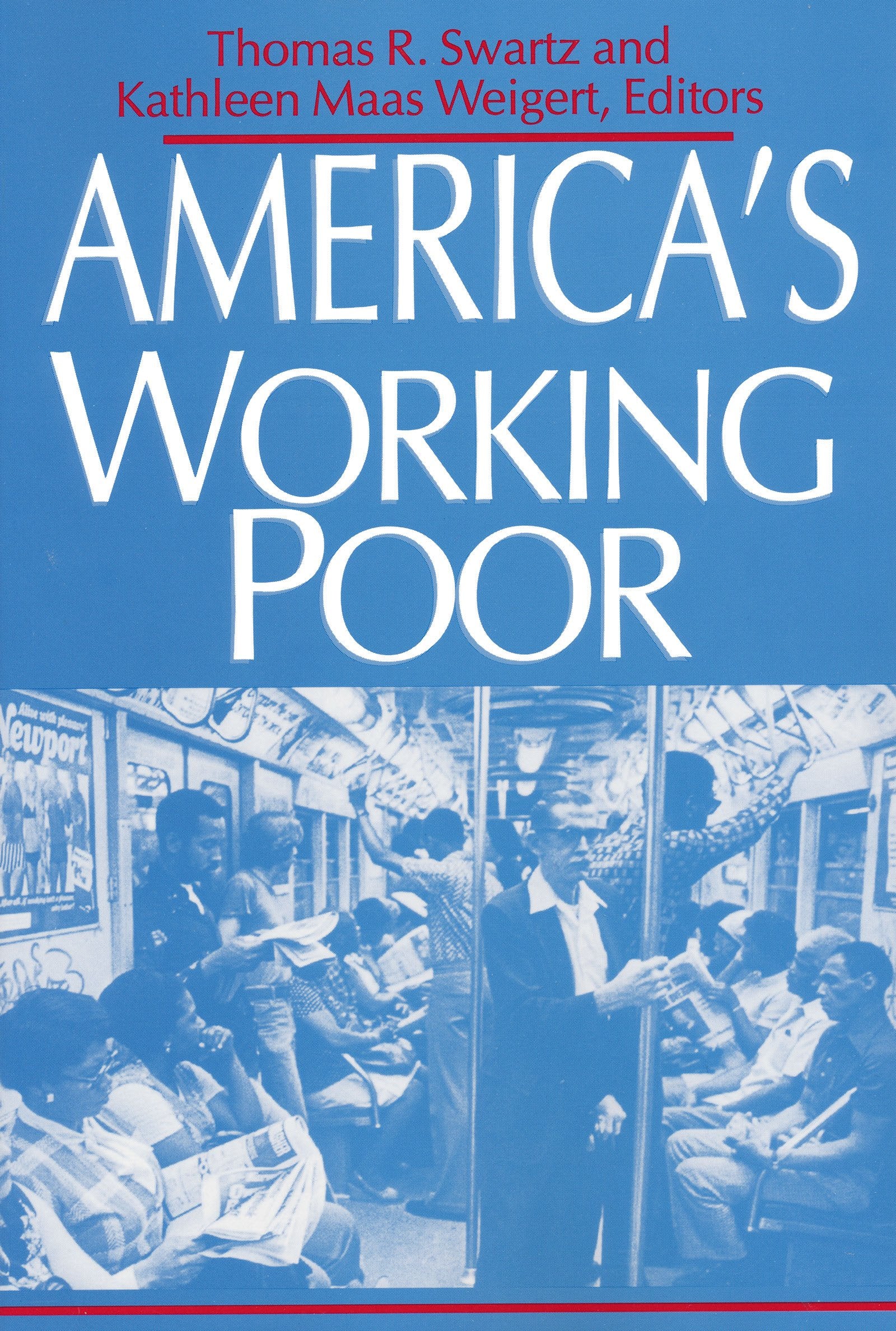
With the erosion of the economic boundaries that once defined the American middle class, the United States seems nearer to becoming an economically dichotomous society of rich and poor. While this alarming economic trend has spurred much discussion in the political and economic arenas, the working poorindividuals whose incomes are insufficient to support either themselves or their familieshave been overlooked in the current debates about poverty in America. As their numbers continue to swell, however, Americas working poor can no longer be ignored. In this wideranging volume five economists, three sociologists, an ethicist, and an urban ethnographer examine the changing size, composition, and location of the working poor in the United States. Kathleen Maas Weigert sets the stage by providing a definitional context and overview of the problem. Elijah Anderson then puts a human face on some hard statistics by analyzing the shifting role of the heroic grandmother in the AfricanAmerican community. Employing a unique data source based on the 1980 and 1990 censuses, John D. Kasarda answers the questions of who and where the working poor are and how their numbers have changed since 1980. Rebecca M. Blank and Rebecca A. London take an indepth look at the working poor population as it has evolved over the past 15 years and offer a comprehensive examination of the policy options designed to address its shifting needs. Sheldon Danziger and Peter Gottschalk effectively debunk the myth that anyone who works hard can get ahead in America by arguing that uneven tides in the economic mainstream leave an increasing number of willing workers behind. Sandra L. Hofferth raises the important issue of child care for the working poor. James P. Sterba argues that the working poor have a right to welfare assistance, and finally, Thomas R. Swartz brings the topic into the current political arena by speculating about the consequences of the various welfare reform proposals that are currently making their way through Congress.
⚠️ WARNING (California Proposition 65):
This product may contain chemicals known to the State of California to cause cancer, birth defects, or other reproductive harm.
For more information, please visit www.P65Warnings.ca.gov.