If you have any questions, you are always welcome to contact us. We'll get back to you as soon as possible, withing 24 hours on weekdays.
Customer service
All questions about your order, return and delivery must be sent to our customer service team by e-mail at yourstore@yourdomain.com
Sale & Press
If you are interested in selling our products, need more information about our brand or wish to make a collaboration, please contact us at press@yourdomain.com
Help
If you have any questions, you are always welcome to contact us. We'll get back to you as soon as possible, withing 24 hours on weekdays.
Customer service
All questions about your order, return and delivery must be sent to our customer service team by e-mail at yourstore@yourdomain.com
Sale & Press
If you are interested in selling our products, need more information about our brand or wish to make a collaboration, please contact us at press@yourdomain.com
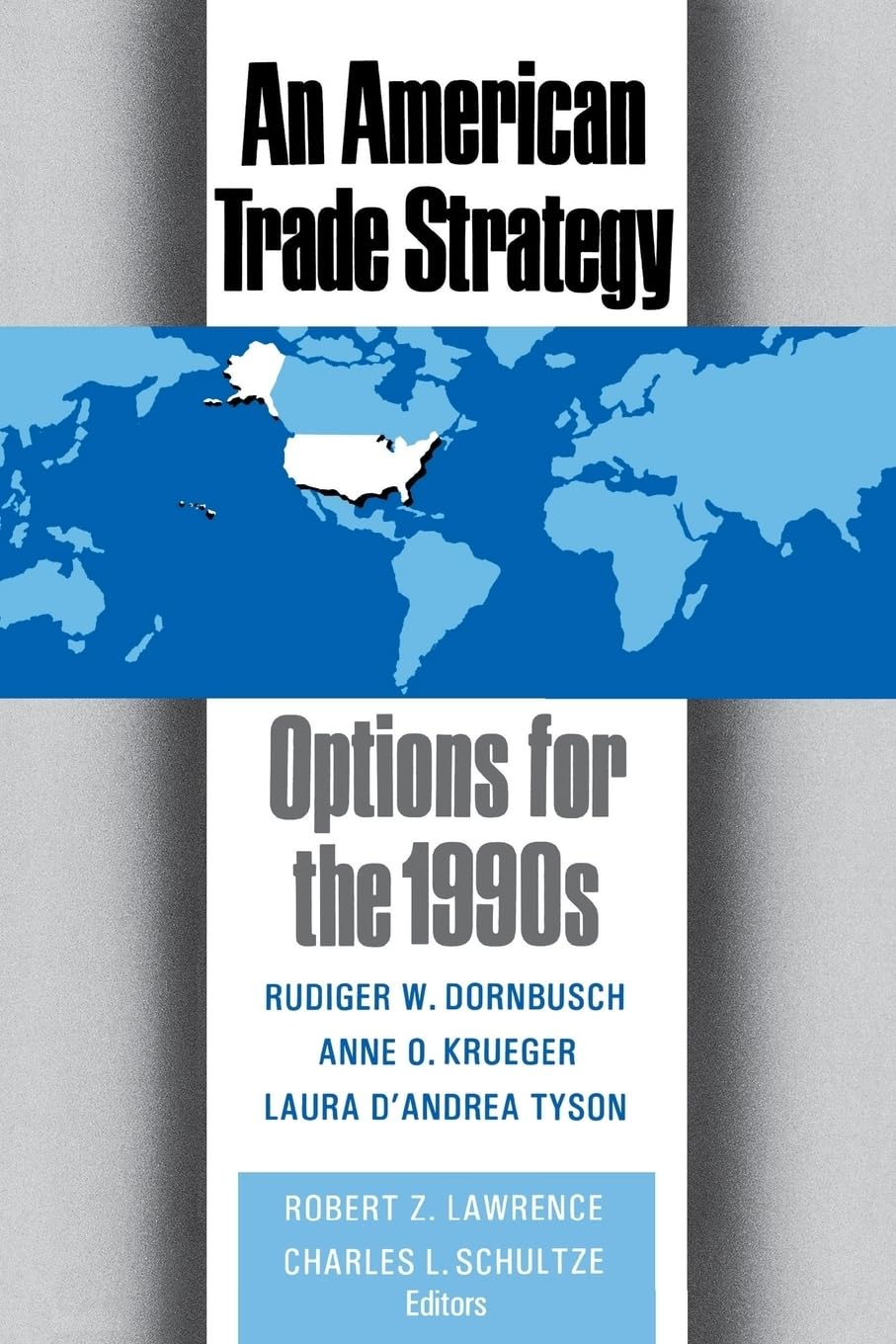
The world trading envionment changed dramatically in the 1980s. America's trade balance declined sharply, while Japan, Germany, and the newly industrialized countries of Asia built up large, continuing surpluses. Such developments led many people to question whether the traditional postwar strategy of reliance on multilateral free trade agreements is still the best course for the United States, or even a viable one.The challenges to the multilateral system are both practical and theoretical. Various nations are already forming ''free trade'' blocs notably the Europe 1992 and the CanadianAmerican trade arrangements. The United States has increasingly bypassed the GATT and bargained bilaterally in trade disputes, especially with Japan. Several prominent economists have developed new theories that support a more active role for the government to help shape technological change and improve the competitive position of the United States in world markets. Others strongly defend the current arrangements and caution that greater reliance on bilateral bargaining and trading blocs will lead to fragmented world trade and cartellike arrangements among a few major producers. They are even more skeptical of an interventionist government successfully ''managing'' trade.An American Trade Strategy assesses options for the decade ahead, examining the case for mulitlateral free trade, aggressive bilateralism, and managed trade, as well as their shortcomings. The editors and contributors evaluate the alternative strategies and reflect on their implications for the future direction of American trade policy.'
⚠️ WARNING (California Proposition 65):
This product may contain chemicals known to the State of California to cause cancer,
birth defects, or other reproductive harm.
For MAP (Minimum Advertised Price) violations and Intellectual Property (IP) or Trademark concerns, please contact:
support@ergodebooks.com
⚠️ California Proposition 65 Warning: Some products sold on this website may expose you to chemicals known to the State of California to cause cancer, birth defects, or other reproductive harm. For more information, visit www.P65Warnings.ca.gov.