If you have any questions, you are always welcome to contact us. We'll get back to you as soon as possible, withing 24 hours on weekdays.
Customer service
All questions about your order, return and delivery must be sent to our customer service team by e-mail at yourstore@yourdomain.com
Sale & Press
If you are interested in selling our products, need more information about our brand or wish to make a collaboration, please contact us at press@yourdomain.com
Help
If you have any questions, you are always welcome to contact us. We'll get back to you as soon as possible, withing 24 hours on weekdays.
Customer service
All questions about your order, return and delivery must be sent to our customer service team by e-mail at yourstore@yourdomain.com
Sale & Press
If you are interested in selling our products, need more information about our brand or wish to make a collaboration, please contact us at press@yourdomain.com
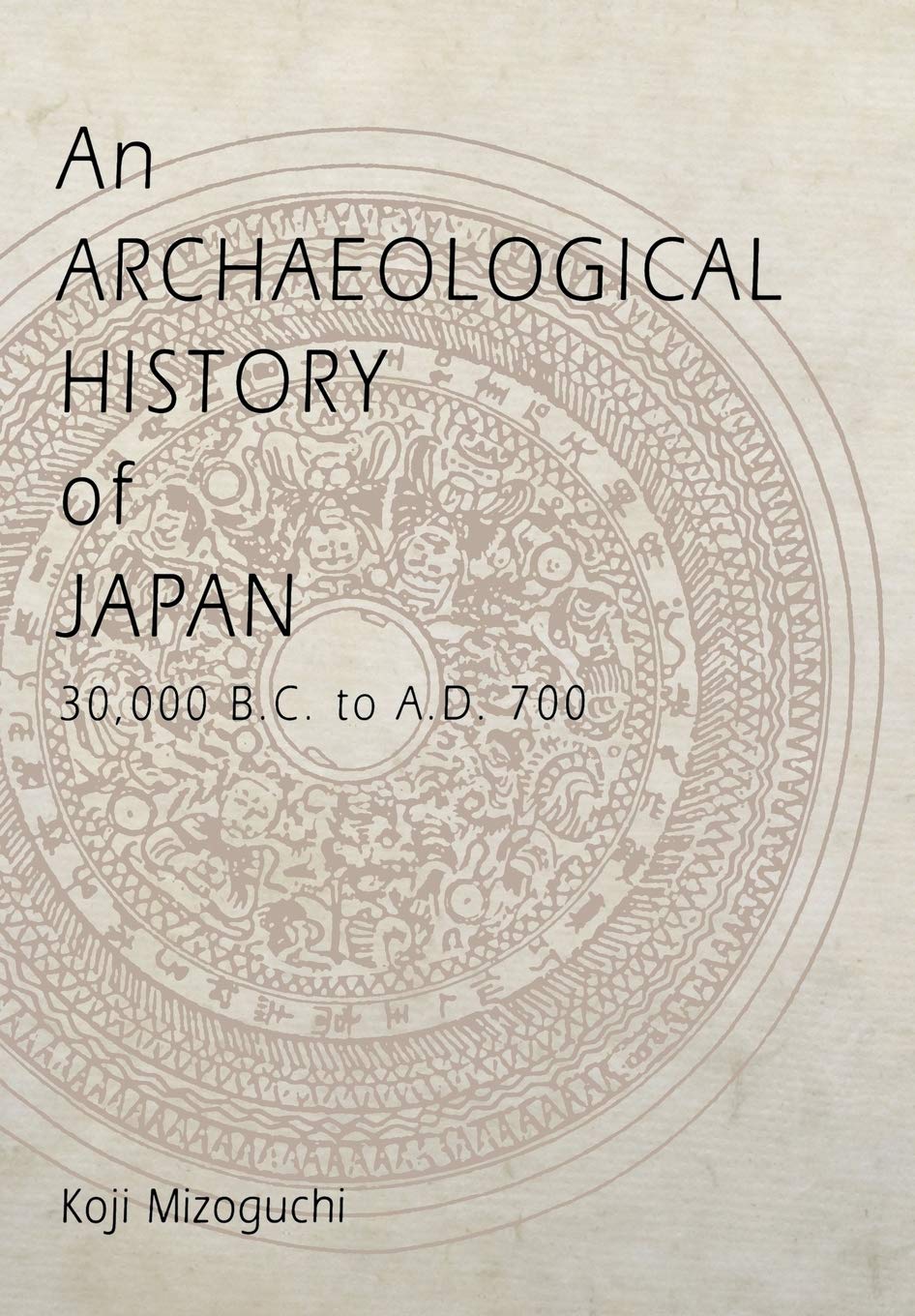
A notion widely shared among the Japanese is that a unique culture has existed uninterrupted on the archipelago since the first human settlements more than 30,000 years ago. The idea of a continuous shared Japanese culture, often described as 'Japaneseness,' is epitomized by material items ranging from Zen Buddhist stone gardens and tea ceremony equipment to such archaeological artifacts as the prehistoric Jomon clay figurines. An Archaeological History of Japan challenges this notion by critically examining archaeological evidence as well as the way it has been interpreted.By combining techniques of traditional archaeological investigation with the tools of contemporary critical sociological and anthropological theory, An Archaeological History of Japan reveals the contingent, reflexive nature of how the prehistoric inhabitants of the Japanese islands identified themselves as they mapped their social and cultural environment. Koji Mizoguchi demonstrates that this process of selfidentification underwent transformations as societies and technology changed, indicating that there is no intrinsic connection binding presentday Japanese with people of the past.
⚠️ WARNING (California Proposition 65):
This product may contain chemicals known to the State of California to cause cancer,
birth defects, or other reproductive harm.
For MAP (Minimum Advertised Price) violations and Intellectual Property (IP) or Trademark concerns, please contact:
support@ergodebooks.com
⚠️ California Proposition 65 Warning: Some products sold on this website may expose you to chemicals known to the State of California to cause cancer, birth defects, or other reproductive harm. For more information, visit www.P65Warnings.ca.gov.