If you have any questions, you are always welcome to contact us. We'll get back to you as soon as possible, withing 24 hours on weekdays.
Customer service
All questions about your order, return and delivery must be sent to our customer service team by e-mail at yourstore@yourdomain.com
Sale & Press
If you are interested in selling our products, need more information about our brand or wish to make a collaboration, please contact us at press@yourdomain.com
Help
If you have any questions, you are always welcome to contact us. We'll get back to you as soon as possible, withing 24 hours on weekdays.
Customer service
All questions about your order, return and delivery must be sent to our customer service team by e-mail at yourstore@yourdomain.com
Sale & Press
If you are interested in selling our products, need more information about our brand or wish to make a collaboration, please contact us at press@yourdomain.com
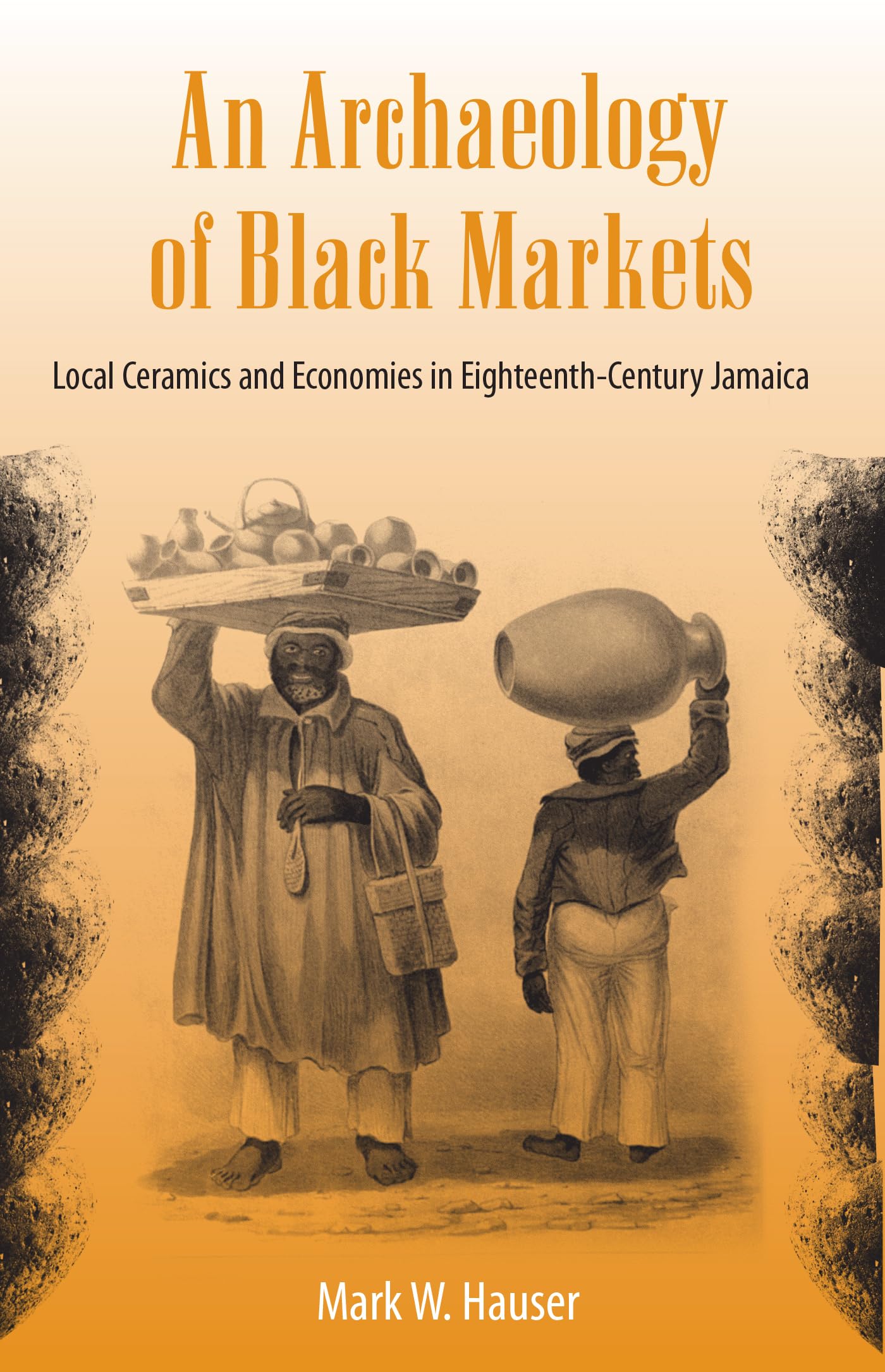
An excellent example of applying petrographic and chemical analysis to coarse earthenwares of the African Diaspora in order to examine the social networks created by enslaved laborers on Jamaica within the larger colonial and capitalist systems. . . . A wonderful contribution to Caribbean historical archaeology.HNet ReviewsUses pottery fragments and other data to examine an informal, underground economy that existed among slaves, islandwide.Chronicle ReviewThis is a convincing study, and the findings serve as a strong basis for the consideration of the role of the Sunday markets in African Jamaican life of the eighteenth century. . . . Hauser is a master in his field, and he writes extremely well.Journal of Caribbean ArchaeologyEloquently weaves together historical, ethnographic, and archaeological evidence to illustrate the complexities of the internal markets, which suggest that the enslaved may have been able to use the social and economic networks they created in order to gain some relief or protection from the power of the colonial regime.Winterthur PortfolioIn the best historical archaeology tradition, this is a corrective history that refutes Caribbean stereotypes and maps the histories of ignored peoples by examining the most seemingly mundane everyday material culture. Paul Mullins, Indiana UniversityPurdue University
⚠️ WARNING (California Proposition 65):
This product may contain chemicals known to the State of California to cause cancer,
birth defects, or other reproductive harm.
For MAP (Minimum Advertised Price) violations and Intellectual Property (IP) or Trademark concerns, please contact:
support@ergodebooks.com
⚠️ California Proposition 65 Warning: Some products sold on this website may expose you to chemicals known to the State of California to cause cancer, birth defects, or other reproductive harm. For more information, visit www.P65Warnings.ca.gov.