
Title
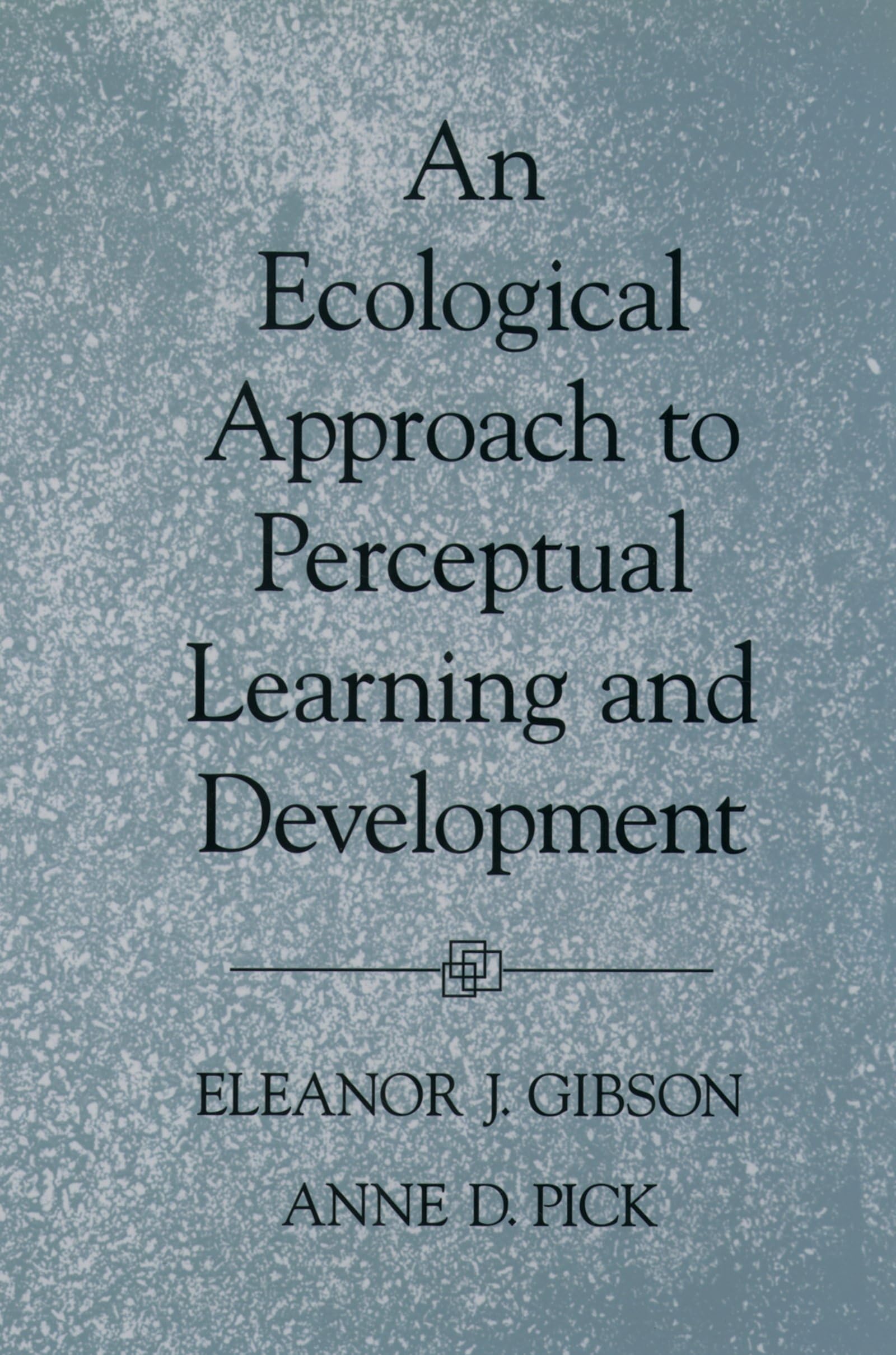
An Ecological Approach to Perceptual Learning and Development,Used
Sold by Ergodebooks, an authorized reseller.
Returns accepted within 30 days | support@ergodebooks.com
Shipping Information
- Free Standard Shipping — United States only
- Processing Time: 3–5 business days
- Estimated Delivery: 6–10 business days after dispatch
- Double-boxed, fully insured & discreetly packaged
- Tracking number sent via email once dispatched
Returns & Refund
Returns accepted within 30 days of delivery.
Damaged or Defective Item
Free return shipping + replacement or full refund
Wrong Item Received
Free return shipping + replacement or full refund
Change of Mind
Return shipping at customer's expense · 25% restocking fee applies
Payment Option

The essential nature of learning is primarily thought of as a verbal process or function, but this notion conveys that prelinguistic infants do not learn. Far from being 'blank slates' that passively absorb environmental stimuli, infants are active learners who perceptually engage their environments and extract information from them before language is available. The ecological approach to perceivingdefined as 'a theory about perceiving by active creatures who look and listen and move around'was spearheaded by Eleanor and James Gibson in the 1950s and culminated in James Gibson's last book in 1979. Until now, no comprehensive theoretical statement of ecological development has been published since Eleanor Gibson's Principles of Perceptual Learning and Development (1969).In An Ecological Approach to Perceptual Learning and Development, distinguished experimental psychologists Eleanor J. Gibson and Anne D. Pick provide a unique theoretical framework for the ecological approach to understanding perceptual learning and development. Perception, in accordance with James Gibson's views, entails a reciprocal relationship between a person and his or her environment: The environment provides resources and opportunities for the person, and the person gets information from and acts on the environment. The concept of affordance is central to this idea; the person acts on what the environment affords, as it is appropriate.This extraordinary volume covers the development of perception in detail from birth through toddlerhood, beginning with the development of communication, going on to perceiving and acting on objects, and then to locomotion. It is more than a presentation of facts about perception as it develops. It outlines the ecological approach and shows how it underlies 'higher' cognitive processes, such as concept formation, as well as discovery of the basic affordances of the environment. This impressive work should serve as the capstone for Eleanor J. Gibson's distinguished career as a developmental and experimental psychologist.
⚠️ WARNING (California Proposition 65):
This product may contain chemicals known to the State of California to cause cancer, birth defects, or other reproductive harm.
For more information, please visit www.P65Warnings.ca.gov.