
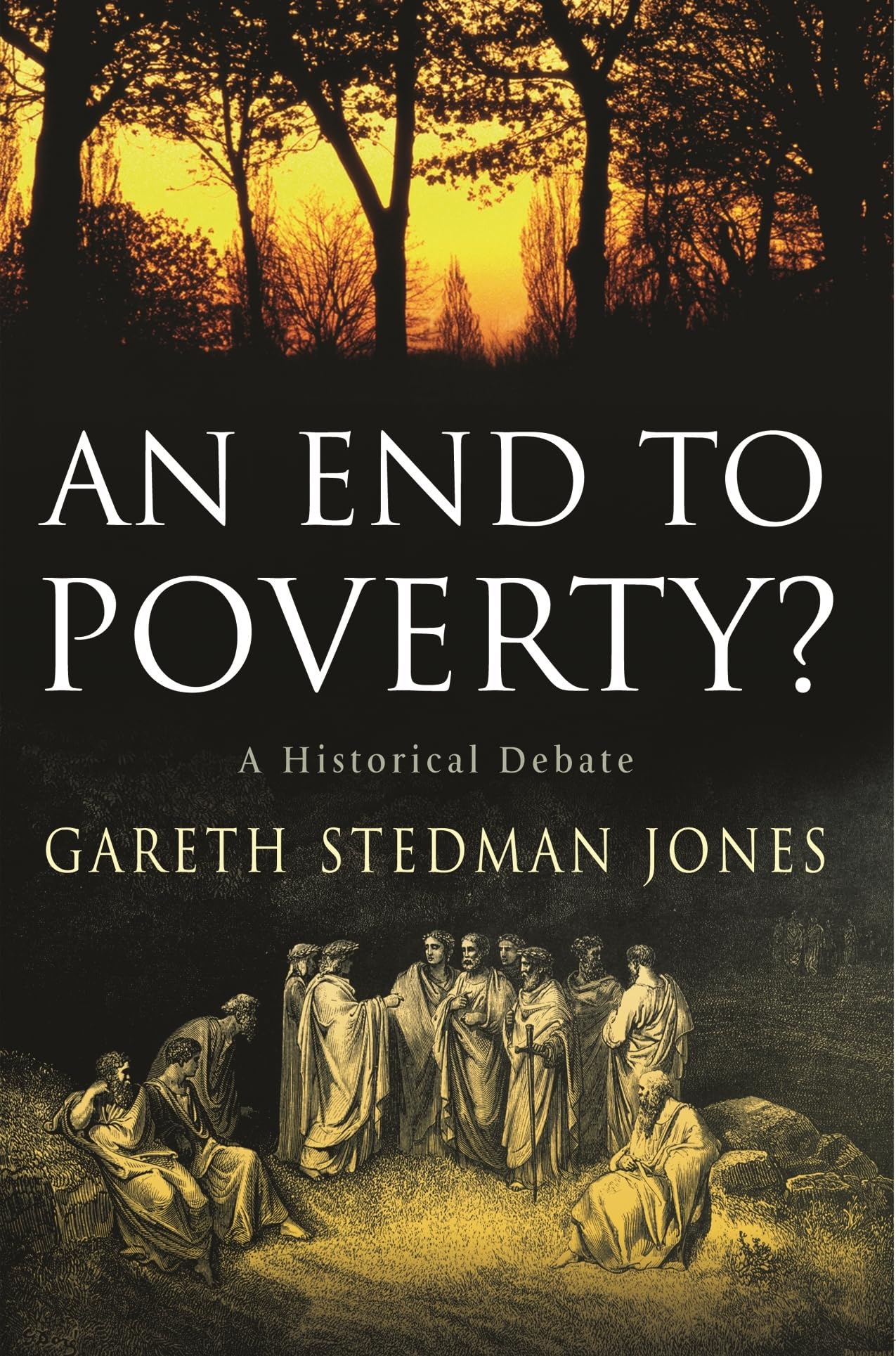
Title
An End to Poverty?: A Historical Debate,Used
Sold by Ergodebooks, an authorized reseller.
Returns accepted within 30 days | support@ergodebooks.com
Shipping Information
- Free Standard Shipping — United States only
- Processing Time: 3–5 business days
- Estimated Delivery: 6–10 business days after dispatch
- Double-boxed, fully insured & discreetly packaged
- Tracking number sent via email once dispatched
Returns & Refund
Returns accepted within 30 days of delivery.
Damaged or Defective Item
Free return shipping + replacement or full refund
Wrong Item Received
Free return shipping + replacement or full refund
Change of Mind
Return shipping at customer's expense · 25% restocking fee applies
Payment Option

In the 1790s, for the first time, reformers proposed bringing poverty to an end. Inspired by scientific progress, the promise of an international economy, and the revolutions in France and the United States, political thinkers such as Thomas Paine and AntoineNicolas Condorcet argued that all citizens could be protected against the hazards of economic insecurity. In An End to Poverty? Gareth Stedman Jones revisits this founding moment in the history of social democracy and examines how it was derailed by conservative as well as leftist thinkers. By tracing the historical evolution of debates concerning poverty, Stedman Jones revives an important, but forgotten strain of progressive thought. He also demonstrates that current discussions about economic issuesdownsizing, globalization, and financial regulationwere shaped by the ideological conflicts of the late eighteenth and early nineteenth centuries.Paine and Condorcet believed that republicanism combined with universal pensions, grants to support education, and other social programs could alleviate poverty. In tracing the inspiration for their beliefs, Stedman Jones locates an unlikely sourceAdam Smith. Paine and Condorcet believed that Smith's vision of a dynamic commercial society laid the groundwork for creating economic security and a more equal society.But these early visions of social democracy were deemed too threatening to a Europe still reeling from the traumatic aftermath of the French Revolution and increasingly anxious about a changing global economy. Paine and Condorcet were demonized by Christian and conservative thinkers such as Burke and Malthus, who used Smith's ideas to support a harsher vision of society based on individualism and laissezfaire economics. Meanwhile, as the nineteenth century wore on, thinkers on the left developed more firmly anticapitalist views and criticized Paine and Condorcet for being too 'bourgeois' in their thinking. Stedman Jones however, argues that contemporary social democracy should take up the mantle of these earlier thinkers, and he suggests that the elimination of poverty need not be a utopian dream but may once again be profitably made the subject of practical, political, and socialpolicy debates.
⚠️ WARNING (California Proposition 65):
This product may contain chemicals known to the State of California to cause cancer, birth defects, or other reproductive harm.
For more information, please visit www.P65Warnings.ca.gov.