
Title
An Environmental History Of The World (Routledge Studies In Physical Geography And Environment),New
Sold by Ergodebooks, an authorized reseller.
Returns accepted within 30 days | support@ergodebooks.com
Shipping Information
- Free Standard Shipping — United States only
- Processing Time: 3–5 business days
- Estimated Delivery: 6–10 business days after dispatch
- Double-boxed, fully insured & discreetly packaged
- Tracking number sent via email once dispatched
Returns & Refund
Returns accepted within 30 days of delivery.
Damaged or Defective Item
Free return shipping + replacement or full refund
Wrong Item Received
Free return shipping + replacement or full refund
Change of Mind
Return shipping at customer's expense · 25% restocking fee applies
Payment Option

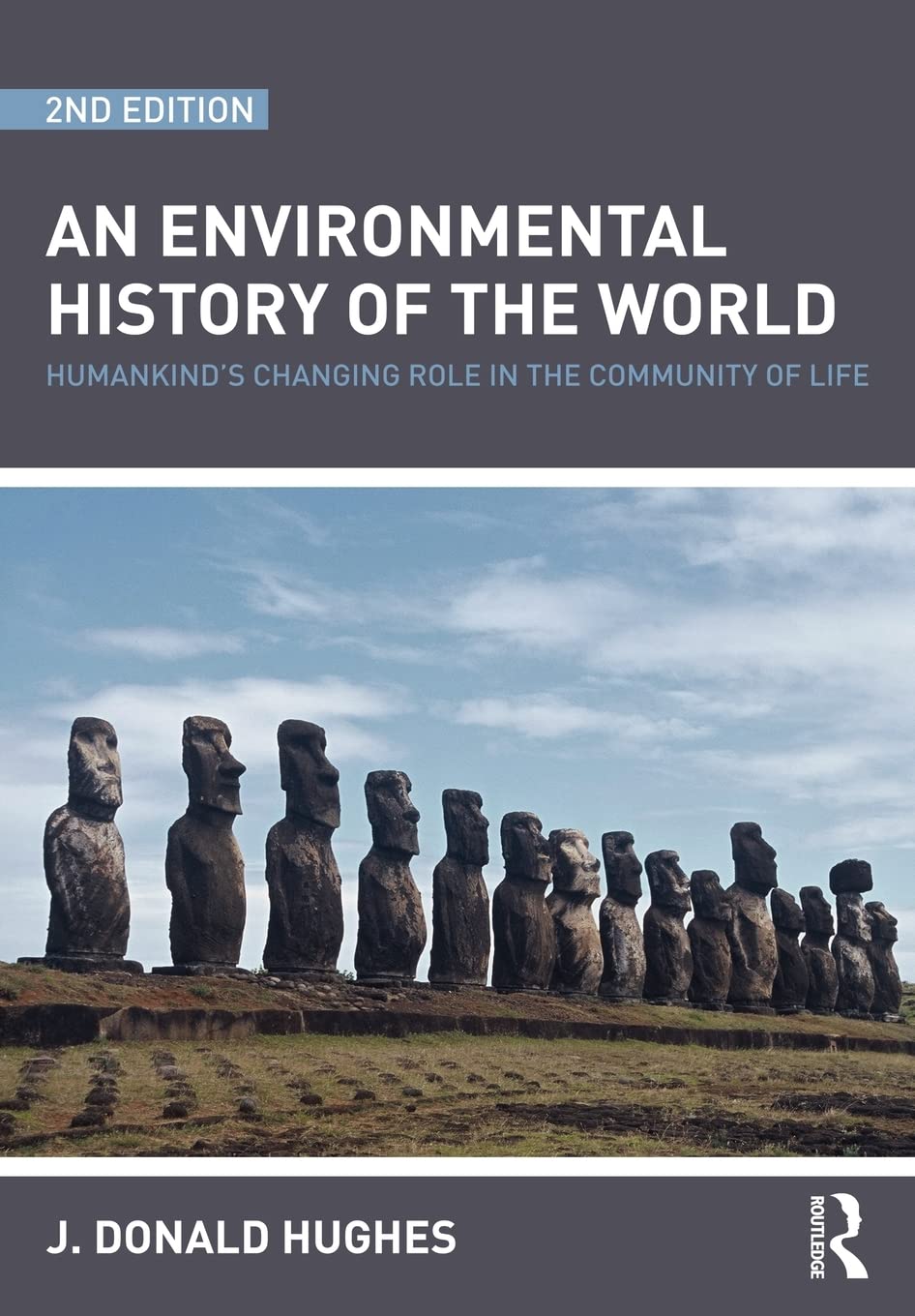
This Second Edition Of An Environmental History Of The World Continues To Present A Concise History, From Ancient To Modern Times, Of The Interactions Between Human Societies And The Natural Environment, Including The Other Forms Of Life That Inhabit Our Planet. Throughout Their Evolutionary History, Humans Have Affected The Natural Environment, Sometimes With A Promise Of Sustainable Balance, But Also In A Destructive Manner. This Book Investigates The Ways In Which Environmental Changes, Often The Result Of Human Actions, Have Caused Historical Trends In Human Societies. This Process Has Happened In Every Historical Period And In Every Part Of The Inhabited Earth.The Book Is Organized Into Ten Chapters. The Main Chapters Follow A Chronological Path Through The History Of Mankind, In Relationship To Ecosystems Around The World. The First Explains What Environmental History Is, And Argues For Its Importance In Understanding The Present State Of The World'S Ecological Problems. Chapters Two Through Eight Form The Core Of The Historical Analysis, Each Concentrating On A Major Period Of Human History (Precivilized, Early Civilizations, Classical, Medieval, Early Modern, Early And Later Twentieth Century, And Contemporary) That Has Been Characterized By Largescale Changes In The Relationship Between Human Societies And The Biosphere, And Each Gives Several Case Studies That Illustrate Significant Patterns Occurring At That Time. The Chapters Covering Contemporary Times Discuss The Physical Impacts Of The Huge Growth In Population And Technology, And The Human Responses To These Problems. Our Moral Obligations To Nature And How We Can Achieve A Sustainable Balance Between Technology And The Environment Are Also Considered. This Revised Second Edition Takes Account Of New Research And The Course Of History Containing New Sections On Global Warming, The Response Of New Orleans To The Hurricanes Katrina And Rita, And The Experience Of The Dutch People In Protecting Their Lowlying Lands Against The Encroachments Of Rivers, Lakes, And The North Sea. New Material Is Also Offered On The Pacific Islands, Including The Famous Case Of Easter Island.This Is An Original Work That Reaches Further Than Other Environmental Histories. Rather Than Looking At Humans And The Environment As Separate Entities, This Book Places Humans Within The Community Of Life. The Relationship Between Environmental Thought And Actions, And Their Evolution, Is Discussed Throughout. Little Environmental Or Historical Knowledge Is Assumed From The Reader In This Introduction To Environmental History. We Cannot Reach A Useful Understanding Of Modern Environmental Problems Without The Aid Of Perspective Provided By Environmental History, With Its Illustrations Of The Ways In Which Past Decisions Helped Or Hindered The Interaction Between Nature And Culture. This Book Will Be Influential And Timely To All Interested In Or Researching The World In Which We Live.
⚠️ WARNING (California Proposition 65):
This product may contain chemicals known to the State of California to cause cancer, birth defects, or other reproductive harm.
For more information, please visit www.P65Warnings.ca.gov.
- Q: What is the page count of 'An Environmental History of the World'? A: Three hundred twenty pages. This book offers a comprehensive overview of environmental history from ancient to modern times.
- Q: What are the dimensions of this book? A: The book measures six point six nine inches in length, zero point seven five inches in width, and nine point six five inches in height. These dimensions make it a standard size for paperback books.
- Q: What binding type does this book have? A: It is a paperback binding. This makes it lightweight and easy to handle while reading.
- Q: How should I read this book for best understanding? A: Reading it chronologically is recommended. The chapters are organized to follow the history of human interaction with the environment.
- Q: Is this book suitable for beginners in environmental studies? A: Yes, it is suitable for beginners. Little prior knowledge of environmental history is assumed, making it accessible to all readers.
- Q: What audience is this book intended for? A: This book is intended for anyone interested in environmental history and the relationship between human societies and nature. It appeals to researchers, students, and general readers.
- Q: How do I keep this book in good condition? A: Store it in a cool, dry place and avoid exposure to direct sunlight. This helps to preserve the quality of the pages and cover.
- Q: Can this book be safely handled by young readers? A: Yes, it can be safely handled by young readers. However, it is suggested for those with a keen interest in environmental issues.
- Q: What if my book arrives damaged or defective? A: If your book arrives damaged, you can contact the seller for a return or replacement. Most retailers provide a customer service option for such issues.
- Q: Is there a warranty for this book? A: No, there is typically no warranty on books. However, check with the retailer for their specific return policy.
- Q: Does this book cover recent environmental issues? A: Yes, it includes discussions on contemporary issues like global warming and responses to natural disasters. The revised edition addresses modern environmental challenges.
- Q: What themes are explored in this book? A: The book explores themes of human interaction with ecosystems, sustainability, and the historical impact of environmental changes on societies.
- Q: Who is the author of this book? A: The author is J. Donald Hughes. He is recognized for his contributions to the field of environmental history.
- Q: Does this book include case studies? A: Yes, it features various case studies that illustrate significant historical patterns related to environmental changes.
- Q: What makes this book different from others in its field? A: It uniquely positions humans within the community of life rather than viewing them as separate from nature, offering a holistic perspective.