
Title
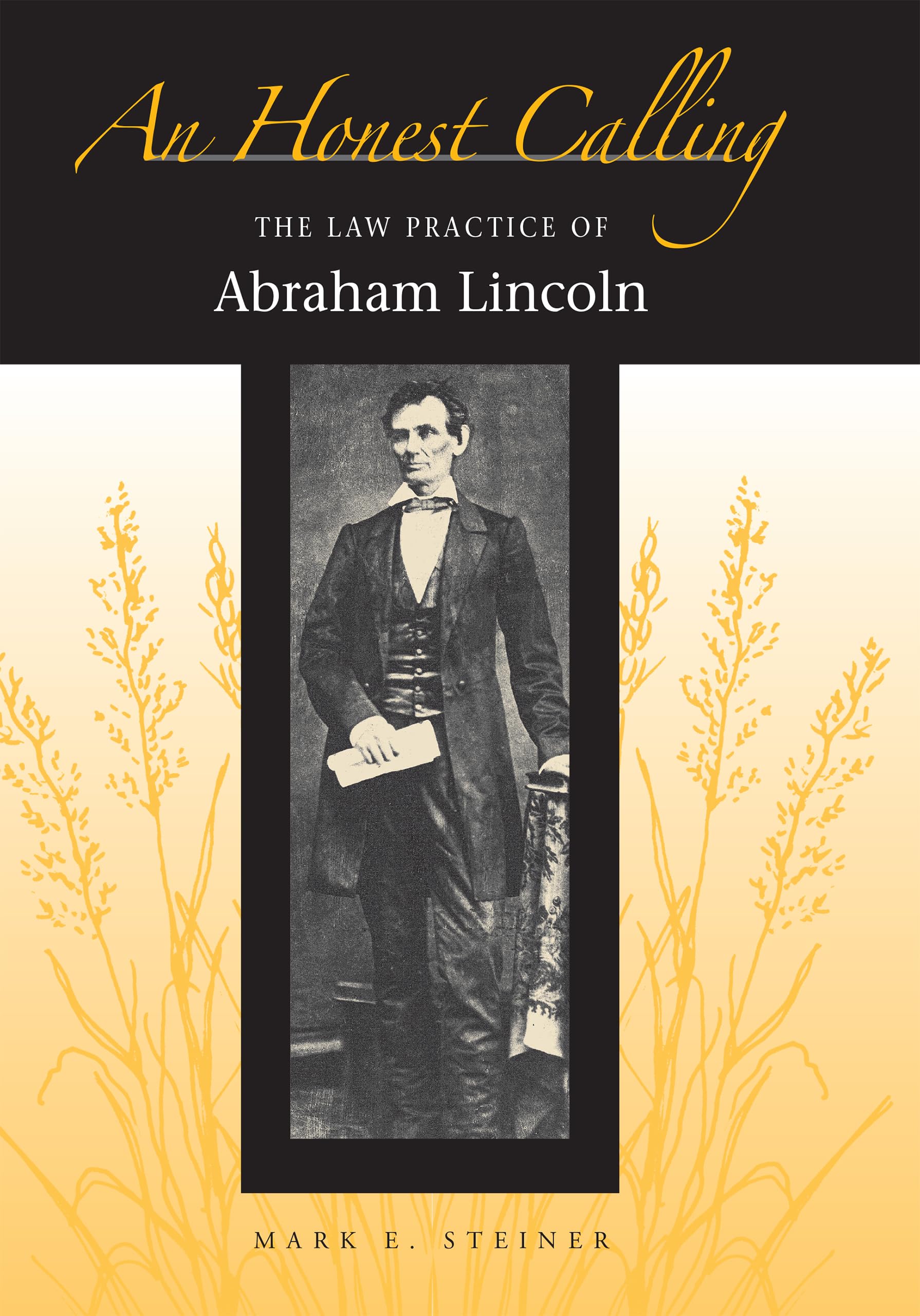
An Honest Calling: The Law Practice of Abraham Lincoln,Used
Sold by Ergodebooks, an authorized reseller.
Returns accepted within 30 days | support@ergodebooks.com
Shipping Information
- Free Standard Shipping — United States only
- Processing Time: 3–5 business days
- Estimated Delivery: 6–10 business days after dispatch
- Double-boxed, fully insured & discreetly packaged
- Tracking number sent via email once dispatched
Returns & Refund
Returns accepted within 30 days of delivery.
Damaged or Defective Item
Free return shipping + replacement or full refund
Wrong Item Received
Free return shipping + replacement or full refund
Change of Mind
Return shipping at customer's expense · 25% restocking fee applies
Payment Option

Abraham Lincoln practiced law for nearly twentyfive years, five times longer than he served as president. Nonetheless, this aspect of his life was known only in the broadest outlines until the Lincoln Legal Papers project set to work gathering the surviving documentation of more than 5,600 of his cases. One of the first scholars to work in this vast collection, Mark E. Steiner goes beyond the hasty sketches of previous biographers to paint a detailed portrait of Lincoln the lawyer.This portrait not only depicts Lincoln's work for the railroads and the infamous case in which he defended the claims of a slaveholder; it also illustrates his more typical cases involving debt and neighborly disputes. Steiner describes Lincoln's legal education, the economics of the law office, and the changes in legal practice that Lincoln himself experienced as the nation became an industrial, capitalist society. Most important, Steiner highlights Lincoln's guiding principles as a lawyer.In contrast to the popular caricature of the lawyer as a scoundrel, Lincoln followed his personal resolve to be "honest at all events," thus earning the nickname"Honest Abe." For him, honesty meant representing clients to the best of his ability, regardless of his own beliefs about the justice of their cause. Lincoln also embraced a professional ideal that cast the lawyer as a guardian of order. He was as willing to mediate a dispute outside the courtroom in the interest of maintaining peace as he was eager to win cases before a jury.Over the course of his legal career, however, Lincoln's dedication to the community and his clients' personal interests became outmoded. As a result of the rise of powerful, faceless corporate clients and the national debate over slavery, Lincoln the lawyer found himself in an increasingly impersonal, morally ambiguous world.
⚠️ WARNING (California Proposition 65):
This product may contain chemicals known to the State of California to cause cancer, birth defects, or other reproductive harm.
For more information, please visit www.P65Warnings.ca.gov.