
Title
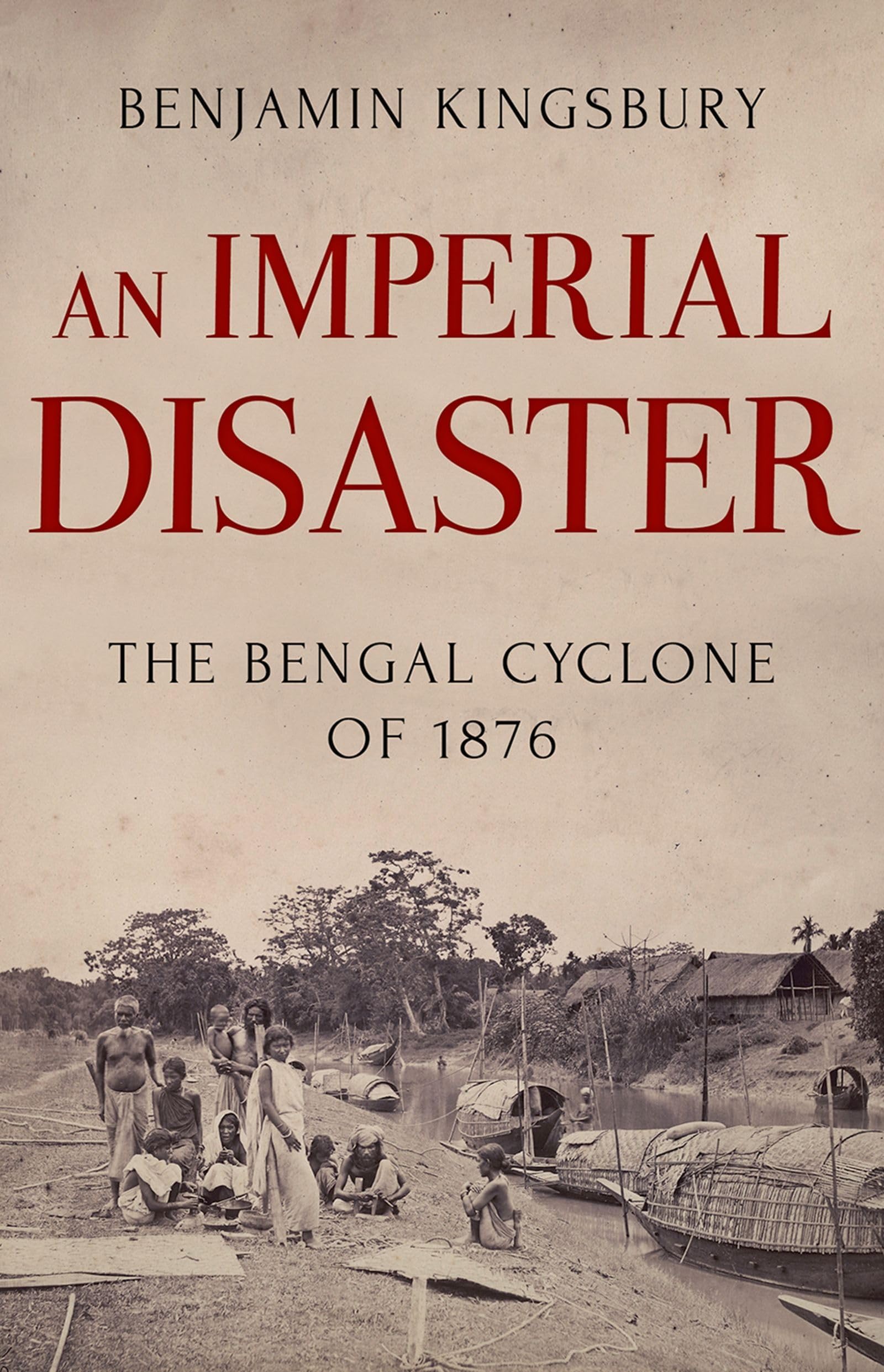
An Imperial Disaster: The Bengal Cyclone of 1876,Used
Sold by Ergodebooks, an authorized reseller.
Returns accepted within 30 days | support@ergodebooks.com
Shipping Information
- Free Standard Shipping — United States only
- Processing Time: 3–5 business days
- Estimated Delivery: 6–10 business days after dispatch
- Double-boxed, fully insured & discreetly packaged
- Tracking number sent via email once dispatched
Returns & Refund
Returns accepted within 30 days of delivery.
Damaged or Defective Item
Free return shipping + replacement or full refund
Wrong Item Received
Free return shipping + replacement or full refund
Change of Mind
Return shipping at customer's expense · 25% restocking fee applies
Payment Option

The storm came on the night of 31 October. It was a full moon, and the tides were at their peak; the great rivers of eastern Bengal were full of monsoon rain. In the early hours the inhabitants of the coast and islands were overtaken by an immense wave from the Bay of Bengal a wall of water that reached a height of 40 feet in some places. The wave swept away everything in its path, drowning around 215,000 people. At least another 100,000 died in the cholera epidemic and famine that followed. It was the worst calamity of its kind in recorded history. Such events are often described as 'natural disasters.' Kingsbury turns that interpretation on its head, showing that the cyclone of 1876 was not simply a 'natural' event, but one shaped by alltoohuman patterns of exploitation and inequality by divisions within Bengali society, and the enormous disparities of political and economic power that characterized British rule on the subcontinent. With Bangladesh facing rising sea levels and stronger, more frequent storms, there is every reason to revisit this terrible calamity. An Imperial Disaster is troubling but essential reading: history for an age of climate change.
⚠️ WARNING (California Proposition 65):
This product may contain chemicals known to the State of California to cause cancer, birth defects, or other reproductive harm.
For more information, please visit www.P65Warnings.ca.gov.