
Title
An Introduction To Fernando Pessoa: Modernism And The Paradoxes Of Authorship,Used
Sold by Ergodebooks, an authorized reseller.
Returns accepted within 30 days | support@ergodebooks.com
Shipping Information
- Free Standard Shipping — United States only
- Processing Time: 3–5 business days
- Estimated Delivery: 6–10 business days after dispatch
- Double-boxed, fully insured & discreetly packaged
- Tracking number sent via email once dispatched
Returns & Refund
Returns accepted within 30 days of delivery.
Damaged or Defective Item
Free return shipping + replacement or full refund
Wrong Item Received
Free return shipping + replacement or full refund
Change of Mind
Return shipping at customer's expense · 25% restocking fee applies
Payment Option

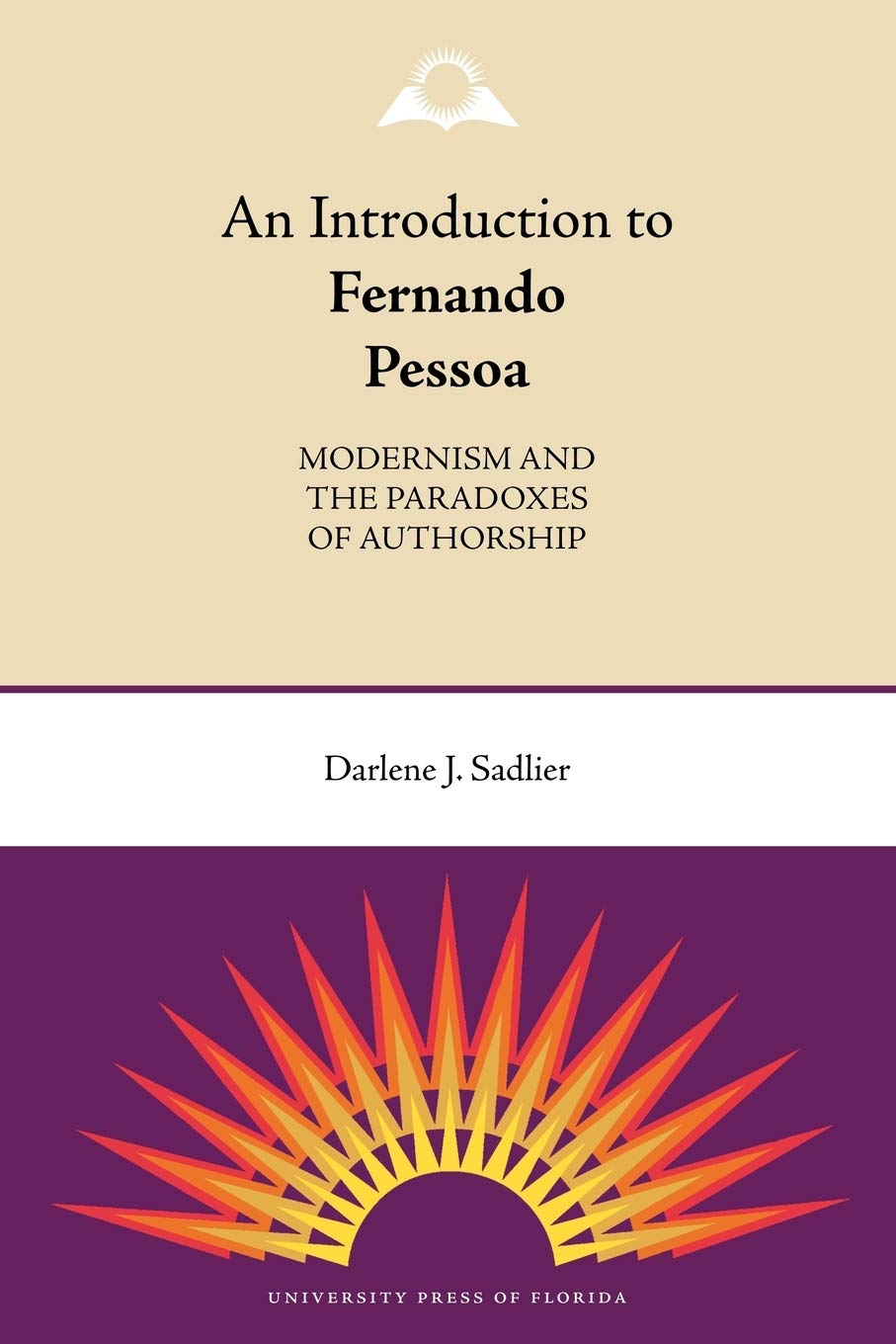
Darlene Sadlier's detailed commentary on Pessoas work explores some of the cultural, political, and personal implications of the artistic impersonation that made him one of the major figures in modern literature. He created a large gallery of authors, each with his own history, who also wrote essays commenting on one anotherincluding Fernando Pessoa 'himself.' Sadliers study demonstrates the scope of Pessoas writing, ranging in style from 'artless' simplicity to subtle, almost Borgesian irony, and it also traces the ways in which Pessoas four major 'authors' (which he called 'heteronyms') are related to one another.Sadlier shows that the four poets engage in a dialogue, enabling Pessoa to dramatize the contradictions in his attitudes toward language, history, and society. And she demonstrates that, while distinct in attitude and style, they nevertheless share a preoccupation with the nature of poetry and are responsible for some of the most unusual and skillfully composed verse in the twentieth century. In striking fashion, they anticipate the postmodern deconstruction of the idea of authorship.Sadlier offers a historical context for Pessoas work, grounding his poetry in Portuguese culture and the major political and artistic concerns of his day. She presents an especially important commentary on his childhood verse and on the early, formative stages of his writing. Finally, she discusses his posthumous reputation, showing how he has been ironically transformed into a single, apparently unified figure who has become, for many, a symbol of Portugals national identity.
⚠️ WARNING (California Proposition 65):
This product may contain chemicals known to the State of California to cause cancer, birth defects, or other reproductive harm.
For more information, please visit www.P65Warnings.ca.gov.