
Title
An Introduction To Models In The Social Sciences,Used
Sold by Ergodebooks, an authorized reseller.
Returns accepted within 30 days | support@ergodebooks.com
Shipping Information
- Free Standard Shipping — United States only
- Processing Time: 3–5 business days
- Estimated Delivery: 6–10 business days after dispatch
- Double-boxed, fully insured & discreetly packaged
- Tracking number sent via email once dispatched
Returns & Refund
Returns accepted within 30 days of delivery.
Damaged or Defective Item
Free return shipping + replacement or full refund
Wrong Item Received
Free return shipping + replacement or full refund
Change of Mind
Return shipping at customer's expense · 25% restocking fee applies
Payment Option

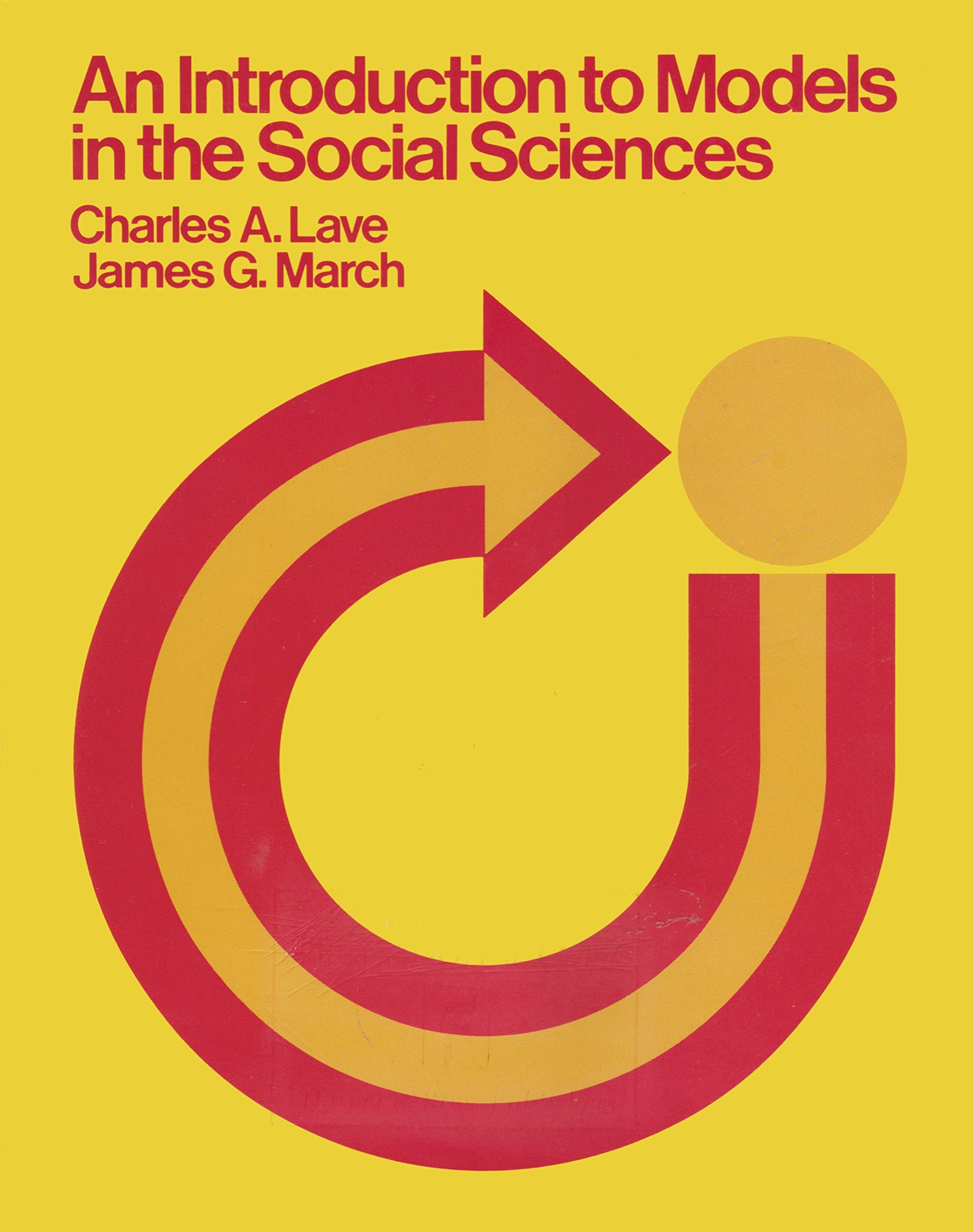
What Is A Model? How Do You Construct One? What Are Some Common Models In The Social Sciences? How Can Models Be Applied In New Situations? What Makes A Model Good? Focusing On Answers To These And Related Questions, This Multidisciplinary Introduction To Model Building In The Social Sciences Formulates Interesting Problems That Involve Students In Creative Model Building And The Process Of Invention. The Book Describes Models Of Individual Choice, Exchange, Adaptation, And Diffusion. Throughout, Student Participation In Analytical Thinking Is Encouraged. Originally Published In 1975 By Harpercollins Publishers.
⚠️ WARNING (California Proposition 65):
This product may contain chemicals known to the State of California to cause cancer, birth defects, or other reproductive harm.
For more information, please visit www.P65Warnings.ca.gov.
- Q: How many pages does this book have? A: This book has four hundred twenty-one pages. It offers a comprehensive exploration of models in social sciences.
- Q: What type of binding does this book use? A: This book is published in paperback binding. This format makes it lightweight and easy to handle.
- Q: Who is the author of this book? A: The author is James G. March. He is known for his contributions to the field of social sciences.
- Q: What is the primary focus of this book? A: This book focuses on model building in the social sciences. It addresses key questions about constructing and applying models.
- Q: Is this book suitable for beginners? A: Yes, this book is suitable for beginners. It provides a multidisciplinary introduction to model building.
- Q: What can I learn from this book? A: You can learn about constructing models and their applications in various situations. It encourages analytical thinking and creativity.
- Q: How should I care for this book? A: To care for this book, keep it in a dry place and avoid exposure to direct sunlight. This helps preserve its condition.
- Q: Can I store this book on a shelf? A: Yes, you can store this book on a shelf. Ensure it is upright and supported to prevent damage.
- Q: Is this book appropriate for children? A: This book is intended for an adult audience. It deals with complex topics in social sciences that may not be suitable for children.
- Q: What if the book arrives damaged? A: If the book arrives damaged, you should contact customer support for a return or exchange. They will assist you with the process.
- Q: Can I return this book if I don't like it? A: Yes, you can return this book if it doesn't meet your expectations. Check the return policy for specific details.
- Q: Is this book a good resource for students? A: Yes, this book is an excellent resource for students. It encourages participation in analytical thinking and model building.
- Q: What type of models are discussed in this book? A: The book describes models of individual choice, exchange, adaptation, and diffusion. These are key concepts in social sciences.
- Q: Are there practical examples in this book? A: Yes, the book includes practical examples to illustrate model building. These examples help in understanding complex concepts.
- Q: Does this book include any illustrations? A: The book does not specifically mention illustrations in the details provided. It primarily focuses on text and theory.