
Title
Andy Warhol Retrospective,New
Sold by Ergodebooks, an authorized reseller.
Returns accepted within 30 days | support@ergodebooks.com
Shipping Information
- Free Standard Shipping — United States only
- Processing Time: 3–5 business days
- Estimated Delivery: 6–10 business days after dispatch
- Double-boxed, fully insured & discreetly packaged
- Tracking number sent via email once dispatched
Returns & Refund
Returns accepted within 30 days of delivery.
Damaged or Defective Item
Free return shipping + replacement or full refund
Wrong Item Received
Free return shipping + replacement or full refund
Change of Mind
Return shipping at customer's expense · 25% restocking fee applies
Payment Option

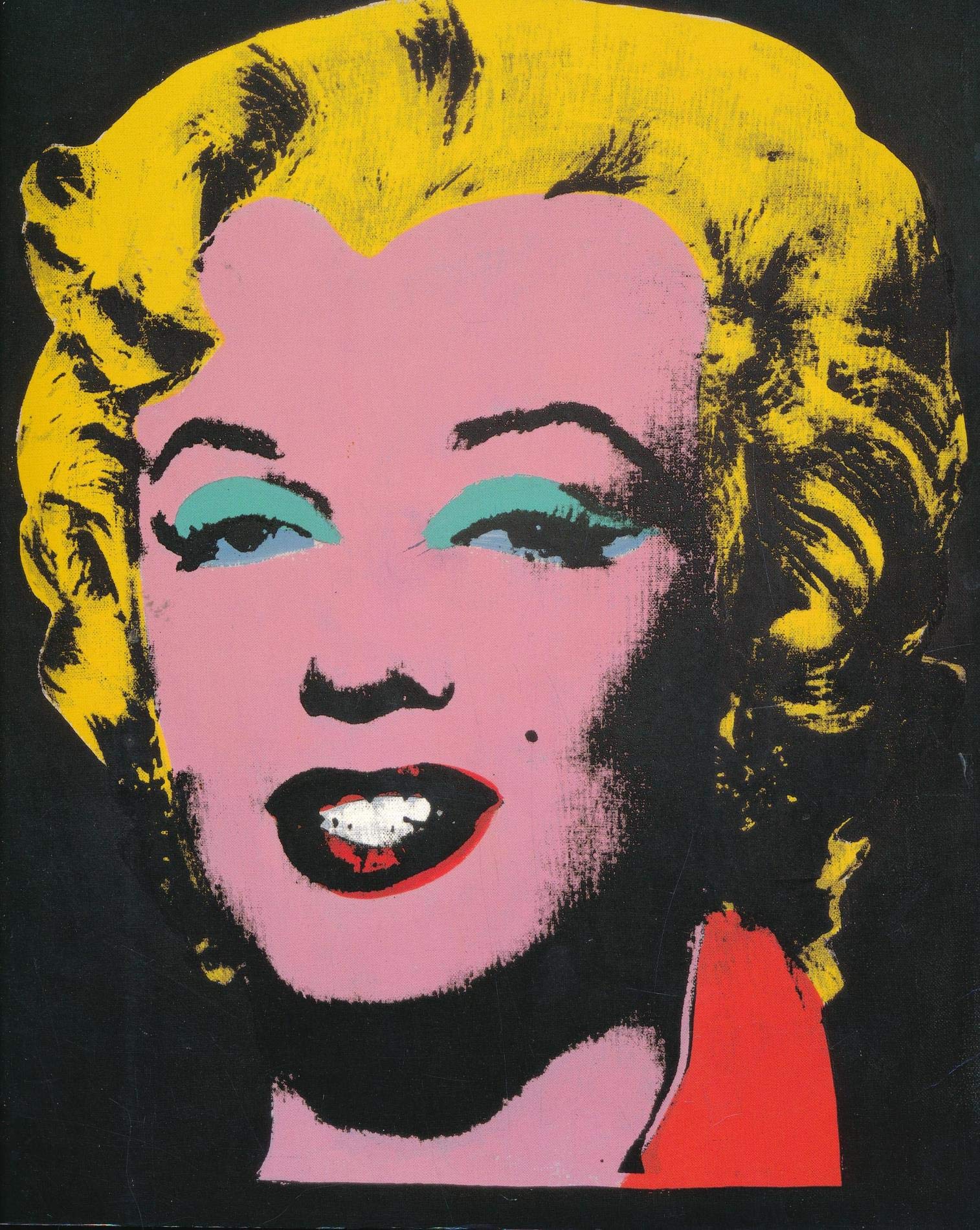
This volume is published to accompany a major European retrospective of the work of Andy Warhol, presenting him as the most significant chronicler of the second half of the 20th century. The collection of over 220 images show how his work reflected and commented on themes in American society that were also becoming international: consumerism, massproduction, celebrity, death and disaster. In the four essays Warhol scholars propose new ways of approaching the art of this enigmatic figure. Heiner Bastian, drawing on his friendship with Warhol, traces his development from commercial graphic artist to purely autonomous artist with international status. He extends the concept of Classic Modernism to almost the end of the 20th century and shows Warhol to be a deeply moral artist. Kirk Varnedoe examines the significance of Warhol's first exhibition of 1962 of the series of 'Campbells Soup Cans', exploring the themes of the multiple. Donna De Salvo takes the concept of the 'afterimage' in Warhol's work as a starting point for considering his painterly strategy. She shows how Warhol had a very subtle awareness of the surface in contemporary culture, tracing this back to his work for advertising agencies. PeterClaus Schuster makes a resonant comparison between the work of Warhol and Goya, both depicted atrocity. Warhol's ' Death and Disaster' sequences can be seen not as depictions of a callous, unjust society, but rather as a critique of the media message and the resulting desensitization of public consciousness. Ultimately, however, he warns against any simplistic reductions and poposes Andy Warhol to be a complex mixture of victim, superstar and redeemer.
⚠️ WARNING (California Proposition 65):
This product may contain chemicals known to the State of California to cause cancer, birth defects, or other reproductive harm.
For more information, please visit www.P65Warnings.ca.gov.