
Title
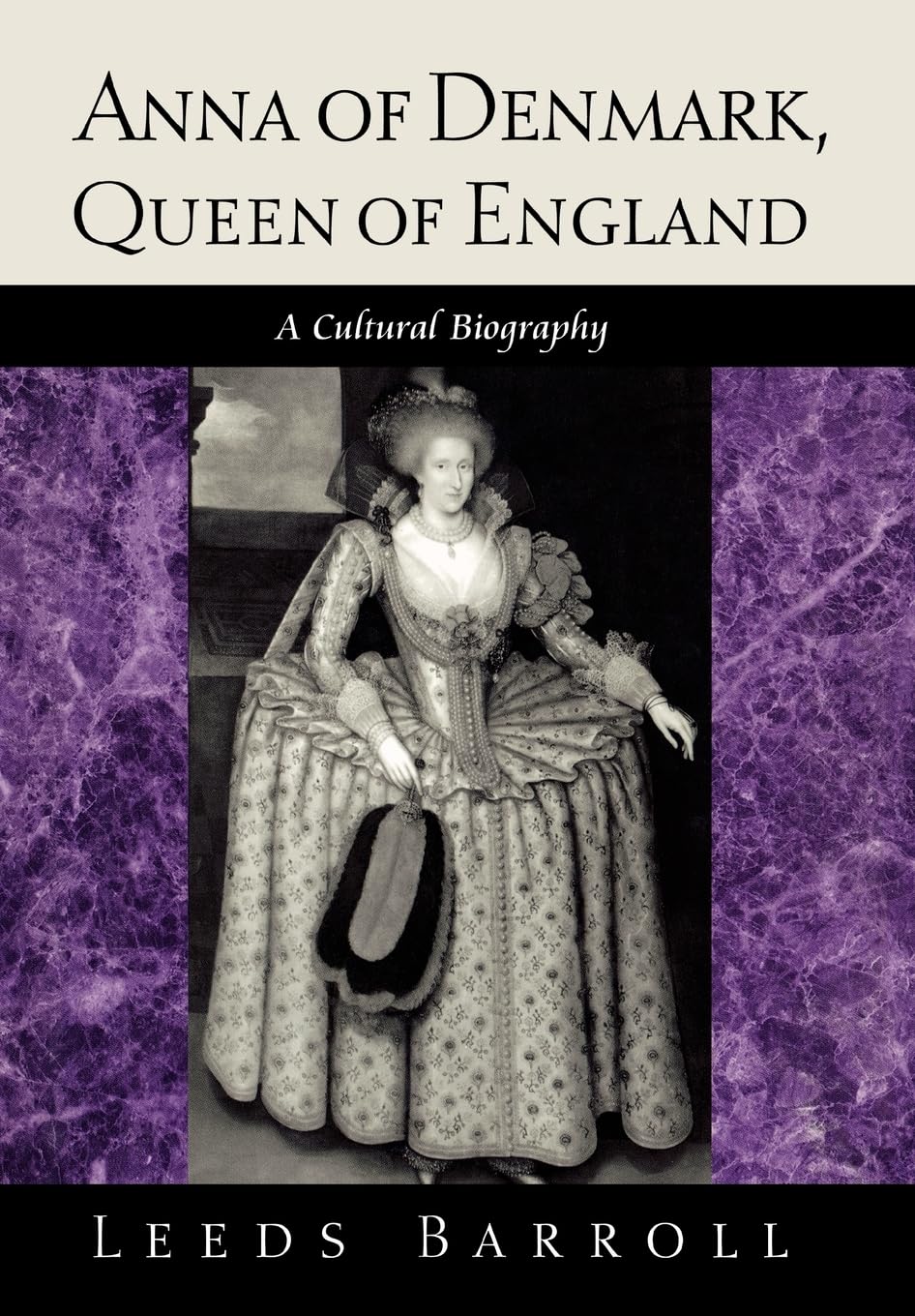
Anna Of Denmark, Queen Of England: A Cultural Biography (New Cultural Studies),Used
Sold by Ergodebooks, an authorized reseller.
Returns accepted within 30 days | support@ergodebooks.com
Shipping Information
- Free Standard Shipping — United States only
- Processing Time: 3–5 business days
- Estimated Delivery: 6–10 business days after dispatch
- Double-boxed, fully insured & discreetly packaged
- Tracking number sent via email once dispatched
Returns & Refund
Returns accepted within 30 days of delivery.
Damaged or Defective Item
Free return shipping + replacement or full refund
Wrong Item Received
Free return shipping + replacement or full refund
Change of Mind
Return shipping at customer's expense · 25% restocking fee applies
Payment Option

In the wellentrenched critical view of the Jacobean period, James I is credited with the flowering of culture in the early years of the seventeenth century. His queen, Anna of Denmark, is seen as a shadowy figure at best, a capricious and shallow one at worst. But Leeds Barroll makes a welldocumented case that it was Anna who, for her own purposes, developed an alternative court and sponsored many of the other artistic ventures in one of the most productive and innovative periods of English cultural history.Married at seventeen, Anna soon became a shrewd and powerful player in the court politics of Scotland and, later, England. Her influence can be seen in James's choices for advisors and beneficiaries of royal attention. In fact, James's and Anna's longstanding dispute over the raising of the heir, Henry, caused a major scandal of the time and was suspected as a plot against the king's safety. In order to assert her own power, Anna actually forced a miscarriage upon herself, an extraordinary event that is referred to in much unnoticed contemporary diplomatic correspondence.An important feature of court entertainment and literary production at this time was the development of the extravagant drama known as the masque, which reached its literary peak in the works of Ben Jonson and Inigo Jones. Barroll argues that it was in fact Anna and not James who encouraged and staged the masques, as a way of defining both a social and political identity for the royal consort, a role that had been nonexistent under Elizabeth. Barroll's work on Anna's patronage also sets Shakespeare's company in a broader context. By writing the cultural biography of Anna of Denmark, queen of England, Leeds Barroll reestablishes the influential and distinctive role of the queen consort in early modern Europe.
⚠️ WARNING (California Proposition 65):
This product may contain chemicals known to the State of California to cause cancer, birth defects, or other reproductive harm.
For more information, please visit www.P65Warnings.ca.gov.