
Title
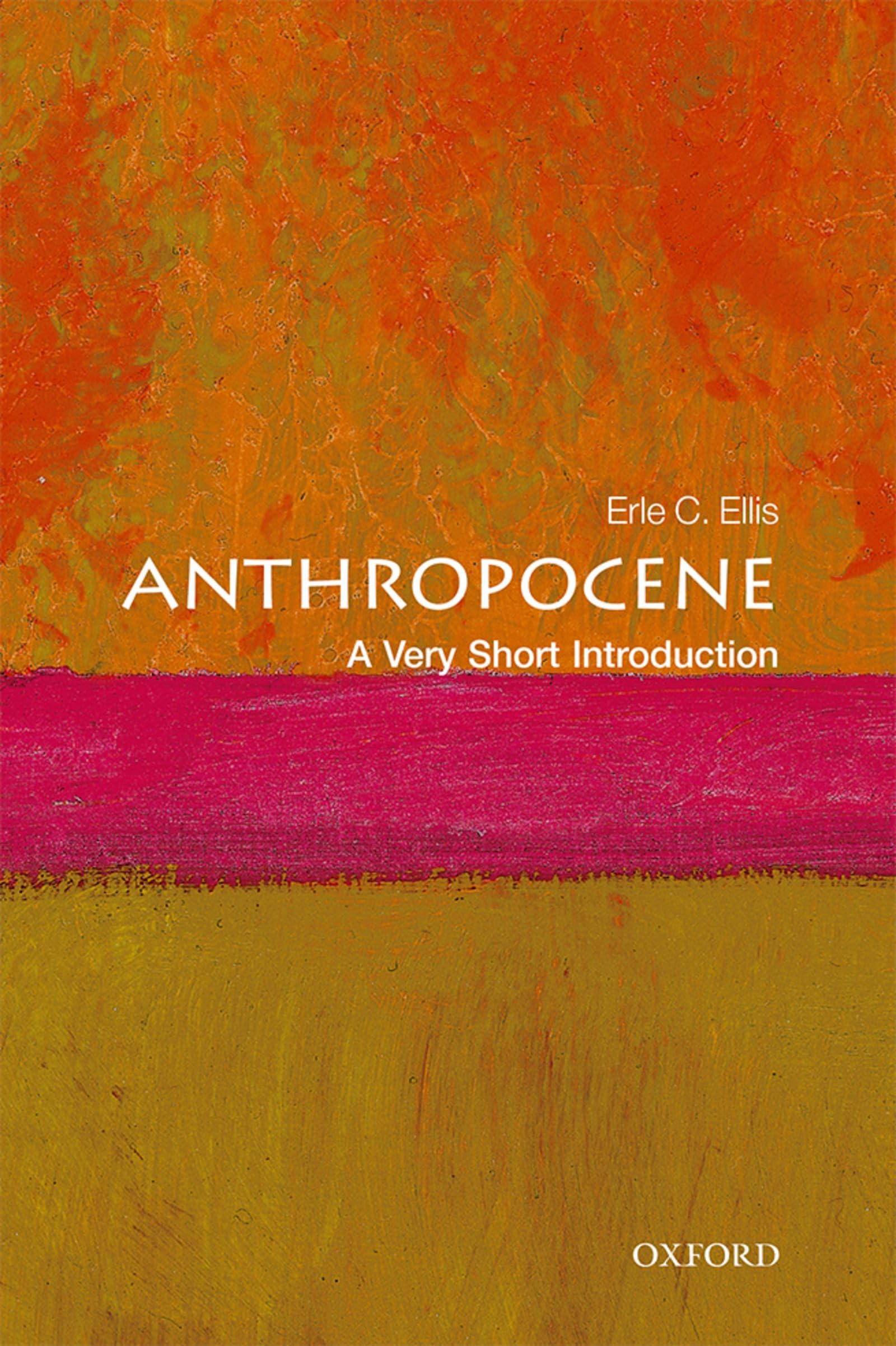
Anthropocene: A Very Short Introduction (Very Short Introductions),New
Sold by Ergodebooks, an authorized reseller.
Returns accepted within 30 days | support@ergodebooks.com
Shipping Information
- Free Standard Shipping — United States only
- Processing Time: 3–5 business days
- Estimated Delivery: 6–10 business days after dispatch
- Double-boxed, fully insured & discreetly packaged
- Tracking number sent via email once dispatched
Returns & Refund
Returns accepted within 30 days of delivery.
Damaged or Defective Item
Free return shipping + replacement or full refund
Wrong Item Received
Free return shipping + replacement or full refund
Change of Mind
Return shipping at customer's expense · 25% restocking fee applies
Payment Option

The proposal that the impact of humanity on the planet has left a distinct footprint, even on the scale of geological time, has recently gained much ground. Global climate change, shifting global cycles of the weather, widespread pollution, radioactive fallout, plastic accumulation, species invasions, the mass extinction of species these are just some of the many indicators that we will leave a lasting record in rock, the scientific basis for recognizing new time intervals in Earth's history. The 'Anthropocene,' as the proposed new epoch has been named, is regularly in the news.Even with such robust evidence, the proposal to formally recognize our current time as the Anthropocene remains controversial both inside and outside the scholarly world, kindling intense debates. The reason is clear. The Anthropocene represents far more than just another interval of geologic time. Instead, the Anthropocene has emerged as a powerful new narrative, a concept through which ageold questions about the meaning of nature and even the nature of humanity are being revisited and radically revised.This Very Short Introduction explains the science behind the Anthropocene and the many proposals about when to mark its beginning: The nuclear tests of the 1950s? The beginnings of agriculture? The origins of humans as a species? Erle Ellis considers the many ways that the Anthropocene's 'evolving paradigm' is reshaping the sciences, stimulating the humanities, and foregrounding the politics of life on a planet transformed by humans. The Anthropocene remains a work in progress. Is this the story of an unprecedented planetary disaster? Or of newfound wisdom and redemption? Ellis offers an insightful discussion of our role in shaping the planet, and how this will influence our future on many fronts.ABOUT THE SERIES: The Very Short Introductions series from Oxford University Press contains hundreds of titles in almost every subject area. These pocketsized books are the perfect way to get ahead in a new subject quickly. Our expert authors combine facts, analysis, perspective, new ideas, and enthusiasm to make interesting and challenging topics highly readable.
⚠️ WARNING (California Proposition 65):
This product may contain chemicals known to the State of California to cause cancer, birth defects, or other reproductive harm.
For more information, please visit www.P65Warnings.ca.gov.