
Title

Anthropology And Social Theory: Culture, Power, And The Acting Subject (A John Hope Franklin Center Book),New
Sold by Ergodebooks, an authorized reseller.
Returns accepted within 30 days | support@ergodebooks.com
Shipping Information
- Free Standard Shipping — United States only
- Processing Time: 3–5 business days
- Estimated Delivery: 6–10 business days after dispatch
- Double-boxed, fully insured & discreetly packaged
- Tracking number sent via email once dispatched
Returns & Refund
Returns accepted within 30 days of delivery.
Damaged or Defective Item
Free return shipping + replacement or full refund
Wrong Item Received
Free return shipping + replacement or full refund
Change of Mind
Return shipping at customer's expense · 25% restocking fee applies
Payment Option

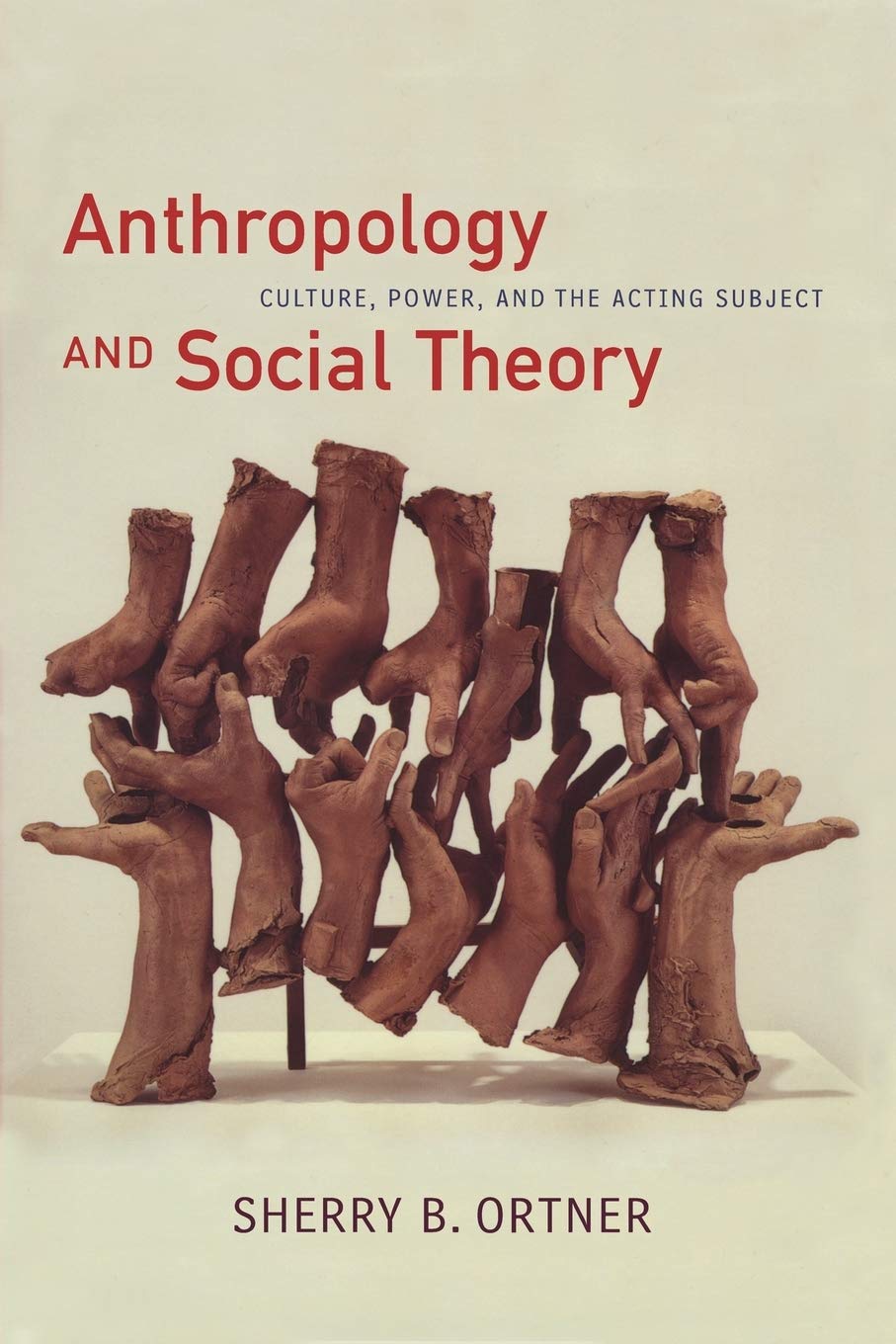
In Anthropology And Social Theory The Awardwinning Anthropologist Sherry B. Ortner Draws On Her Longstanding Interest In Theories Of Cultural Practice To Rethink Key Concepts Of Culture, Agency, And Subjectivity For The Social Sciences Of The Twentyfirst Century. The Seven Theoretical And Interpretive Essays In This Volume Each Advocate Reconfiguring, Rather Than Abandoning, The Concept Of Culture. Similarly, They All Suggest That A Theory Which Depends On The Interested Action Of Social Beingsspecifically Practice Theory, Associated Especially With The Work Of Pierre Bourdieurequires A More Developed Notion Of Human Agency And A Richer Conception Of Human Subjectivity. Ortner Shows How Social Theory Must Both Build Upon And Move Beyond Classic Practice Theory In Order To Understand The Contemporary World.Some Of The Essays Reflect Explicitly On Theoretical Concerns: The Relationship Between Agency And Power, The Problematic Quality Of Ethnographic Studies Of Resistance, And The Possibility Of Producing An Anthropology Of Subjectivity. Others Are Ethnographic Studies That Apply Ortners Theoretical Framework. In These, She Investigates Aspects Of Social Class, Looking At The Relationship Between Race And Middleclass Identity In The United States, The Often Invisible Nature Of Class As A Cultural Identity And As An Analytical Category In Social Inquiry, And The Role That Public Culture And Media Play In The Creation Of The Class Anxieties Of Generation X. Written With Ortners Characteristic Lucidity, These Essays Constitute A Major Statement About The Future Of Social Theory From One Of The Leading Anthropologists Of Our Time.
⚠️ WARNING (California Proposition 65):
This product may contain chemicals known to the State of California to cause cancer, birth defects, or other reproductive harm.
For more information, please visit www.P65Warnings.ca.gov.
- Q: How many pages does this book have? A: This book has two hundred pages. It offers a comprehensive exploration of anthropology and social theory.
- Q: What is the binding type of this book? A: The binding type is paperback. This format is ideal for easy handling and reading.
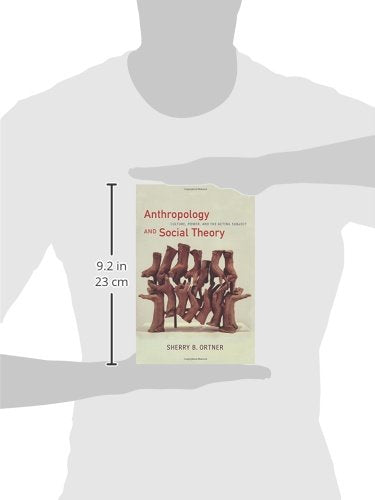
- Q: What are the dimensions of this book? A: The dimensions are six point fourteen inches in length, zero point fifty-one inches in width, and nine point twenty-five inches in height. These measurements make it a portable book.
- Q: Who is the author of this book? A: The author is Sherry B. Ortner. She is a well-respected anthropologist known for her insightful contributions to the field.
- Q: What topics does this book cover? A: This book covers topics like culture, agency, and subjectivity in social sciences. It delves into the relationship between social class, race, and identity.
- Q: Is this book suitable for beginners in anthropology? A: Yes, this book is suitable for beginners. Ortner writes in a clear and accessible style, making complex ideas understandable.
- Q: Can this book be used for academic studies? A: Yes, this book is perfect for academic studies. It provides theoretical frameworks and ethnographic examples that are valuable in higher education.
- Q: Is this book appropriate for younger readers? A: No, this book is not specifically designed for younger readers. Its content is more suited for adult audiences interested in social theory.
- Q: How should I store this book to keep it in good condition? A: Store this book upright on a shelf or flat in a drawer. Avoid exposing it to direct sunlight to prevent fading.
- Q: What is the recommended way to clean this book? A: To clean this book, use a dry cloth to gently wipe the cover. Avoid using water or cleaning solutions that could damage the pages.
- Q: What if the book arrives damaged? A: If the book arrives damaged, you should contact the seller for a return or exchange. Most sellers have a policy in place for such issues.
- Q: Does this book include any illustrations or images? A: No, this book does not include illustrations or images. It focuses on text to convey its theoretical arguments.
- Q: Is there a specific audience this book targets? A: Yes, the book targets students and scholars in anthropology and social theory. It appeals to those interested in cultural studies.
- Q: Can I gift this book to someone interested in social sciences? A: Yes, this book makes a great gift for anyone interested in social sciences. It's insightful and thought-provoking.
- Q: What makes this book unique in its field? A: This book is unique because it reconfigures traditional concepts of culture and agency. Ortner's perspective is both contemporary and rooted in classic theory.
- Q: Is there a digital version of this book available? A: Yes, a digital version may be available. Check with the publisher or retailer for eBook options.