
Title
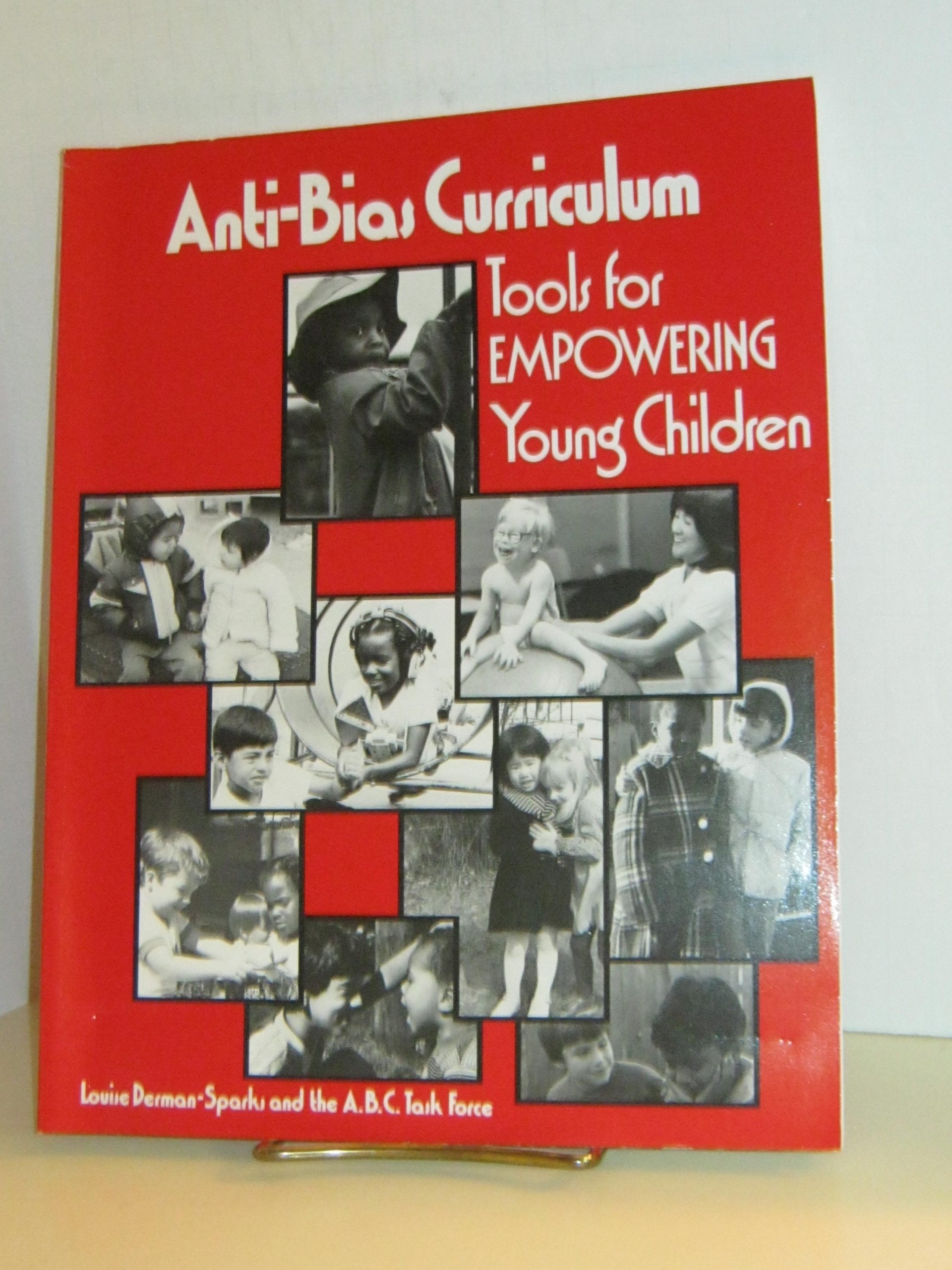
Antibias Curriculum: Tools For Empowering Young Children (Naeyc, No. 242)
Sold by Ergodebooks, an authorized reseller.
Returns accepted within 30 days | support@ergodebooks.com
Shipping Information
- Free Standard Shipping — United States only
- Processing Time: 3–5 business days
- Estimated Delivery: 6–10 business days after dispatch
- Double-boxed, fully insured & discreetly packaged
- Tracking number sent via email once dispatched
Returns & Refund
Returns accepted within 30 days of delivery.
Damaged or Defective Item
Free return shipping + replacement or full refund
Wrong Item Received
Free return shipping + replacement or full refund
Change of Mind
Return shipping at customer's expense · 25% restocking fee applies
Payment Option

Antibias Tools For Empowering Young Children (Naeyc, No. 242) [Jan 01, 1989] Dermansparks, Louise And The A.B.C. Task Force
⚠️ WARNING (California Proposition 65):
This product may contain chemicals known to the State of California to cause cancer, birth defects, or other reproductive harm.
For more information, please visit www.P65Warnings.ca.gov.
- Q: What are the dimensions of this book? A: The book measures eight and a half inches by eleven inches. It has a thickness of zero point five one inches.
- Q: How many pages does this book have? A: This book contains one hundred forty-nine pages. It provides a comprehensive look at anti-bias education for young children.
- Q: What type of binding does this book have? A: The book has a paperback binding. This makes it lightweight and easy to handle for young readers.
- Q: Who is the author of this book? A: The author is Louise Derman-Sparks. She is known for her work in early childhood education and anti-bias curriculum development.
- Q: What is the main theme of this book? A: The main theme is empowering young children through an anti-bias curriculum. It focuses on promoting inclusivity and understanding among children.
- Q: Is this book suitable for all ages? A: Yes, this book is suitable for educators and caregivers of young children. It provides valuable insights into fostering an inclusive environment.
- Q: How can I use this book in my teaching? A: You can use this book as a guide to integrate anti-bias principles into your curriculum. It offers practical tools and strategies for educators.
- Q: What age group is this book aimed at? A: This book is aimed at educators and caregivers of children aged zero to eight years. It focuses on foundational concepts in early childhood education.
- Q: How should I care for this book? A: To keep the book in good condition, store it in a dry place and handle it gently. Avoid exposing it to extreme temperatures or moisture.
- Q: Can I clean the book if it gets dirty? A: Yes, you can clean the book by gently wiping it with a dry cloth. Avoid using water or cleaning solutions that could damage the pages.
- Q: What if the book arrives damaged? A: If the book arrives damaged, you should contact the seller for a return or exchange. Most sellers have policies in place for damaged items.
- Q: Is this book backed by any educational organizations? A: Yes, this book is published by the National Association for the Education of Young Children (NAEYC). It is recognized for its educational value.
- Q: How does this book compare to other early childhood education books? A: This book stands out due to its specific focus on anti-bias education. It provides unique tools that other general early childhood books may not cover.
- Q: Is this book appropriate for a beginner educator? A: Yes, this book is appropriate for beginner educators. It provides foundational knowledge and practical tools for implementing anti-bias education.
- Q: What should I do if I have questions about the content? A: If you have questions about the content, consider joining a professional development workshop or discussion group. Engaging with peers can enhance understanding.
- Q: Where can I find additional resources on anti-bias education? A: You can find additional resources through educational websites, libraries, or professional organizations like NAEYC. They often provide supplementary materials.