
Title
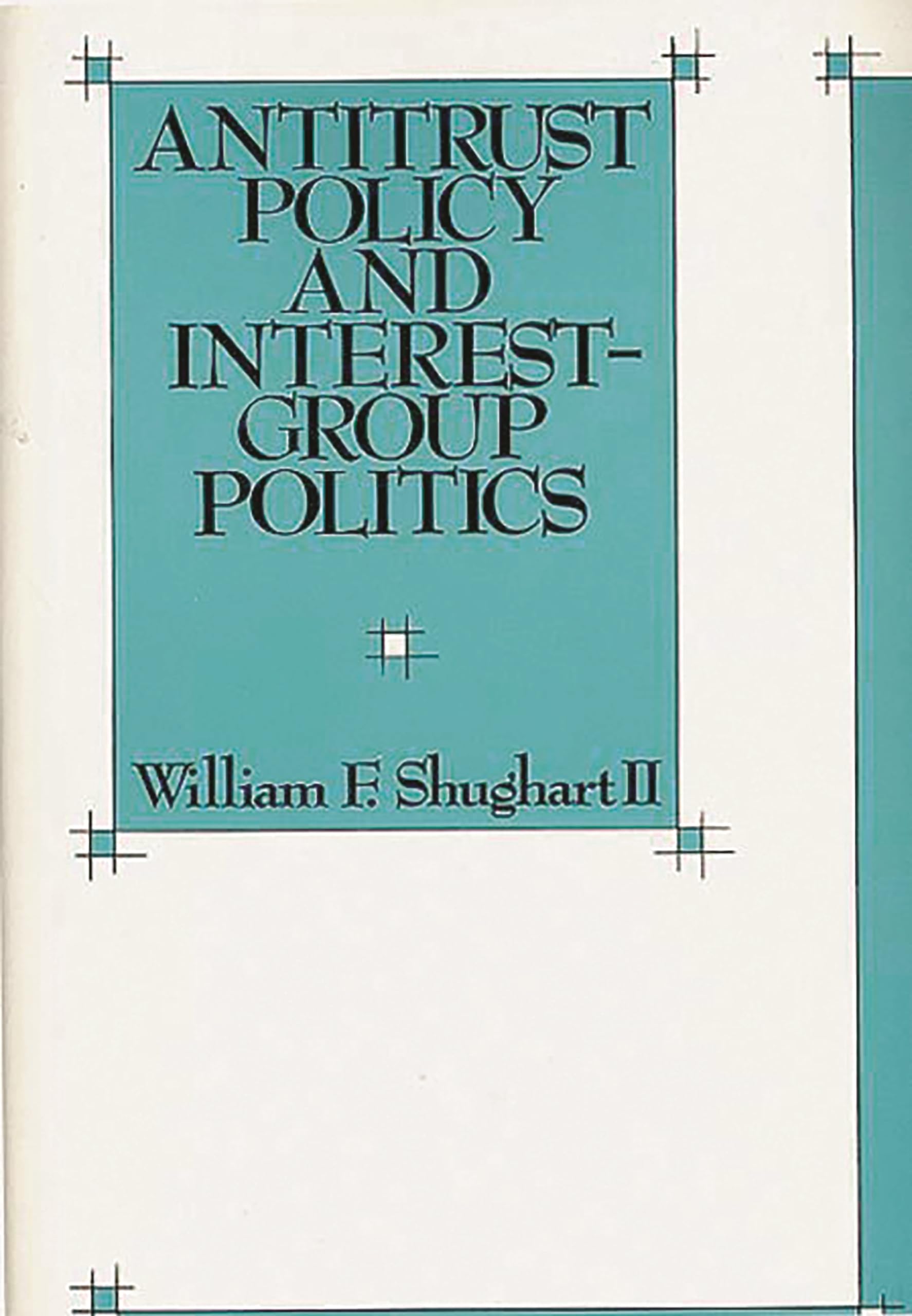
Antitrust Policy and InterestGroup Politics (New Directions in Information),Used
Sold by Ergodebooks, an authorized reseller.
Returns accepted within 30 days | support@ergodebooks.com
Shipping Information
- Free Standard Shipping — United States only
- Processing Time: 3–5 business days
- Estimated Delivery: 6–10 business days after dispatch
- Double-boxed, fully insured & discreetly packaged
- Tracking number sent via email once dispatched
Returns & Refund
Returns accepted within 30 days of delivery.
Damaged or Defective Item
Free return shipping + replacement or full refund
Wrong Item Received
Free return shipping + replacement or full refund
Change of Mind
Return shipping at customer's expense · 25% restocking fee applies
Payment Option

This groundbreaking study is the first to apply an analytical model derived from the interestgroup theory of regulation to the study of antitrust law and policy. The application of this model which stresses that government intervention in the economy will always benefit some political groups at the expense of others to the analysis of antitrust enables Shughart both to identify important trends in the antitrust arena and demonstrate which groups have benefited most from antitrust legislation. His analysis clearly shows that consumer welfare is often not enhanced by antitrust suits or legislation. Rather, wellorganized private interest groups have tended to benefit more, even in cases where consumer welfare is the stated goal of legislation or policy.Divided into three sections, the volume begins by discussing normative and positive theories of antitrust. The author provides an overview of the origins of antitrust law and policy and introduces the interestgroup theory of government. The second section explores the various private interests that impinge on antitrust policy: the business community, the antitrust bureaucracy, Congress, the judiciary, and the antitrust bar. Finally, Shughart examines the political economy of antitrust. He shows how antitrust can be used to subvert competition and offers suggestions for reform in the realm of interest group politics. Students of economics and business, as well as professional economists, corporate lawyers, legislators, and business consultants, will find important new insights into the direction taken by antitrust policy during the last few decades.
⚠️ WARNING (California Proposition 65):
This product may contain chemicals known to the State of California to cause cancer, birth defects, or other reproductive harm.
For more information, please visit www.P65Warnings.ca.gov.