
Title
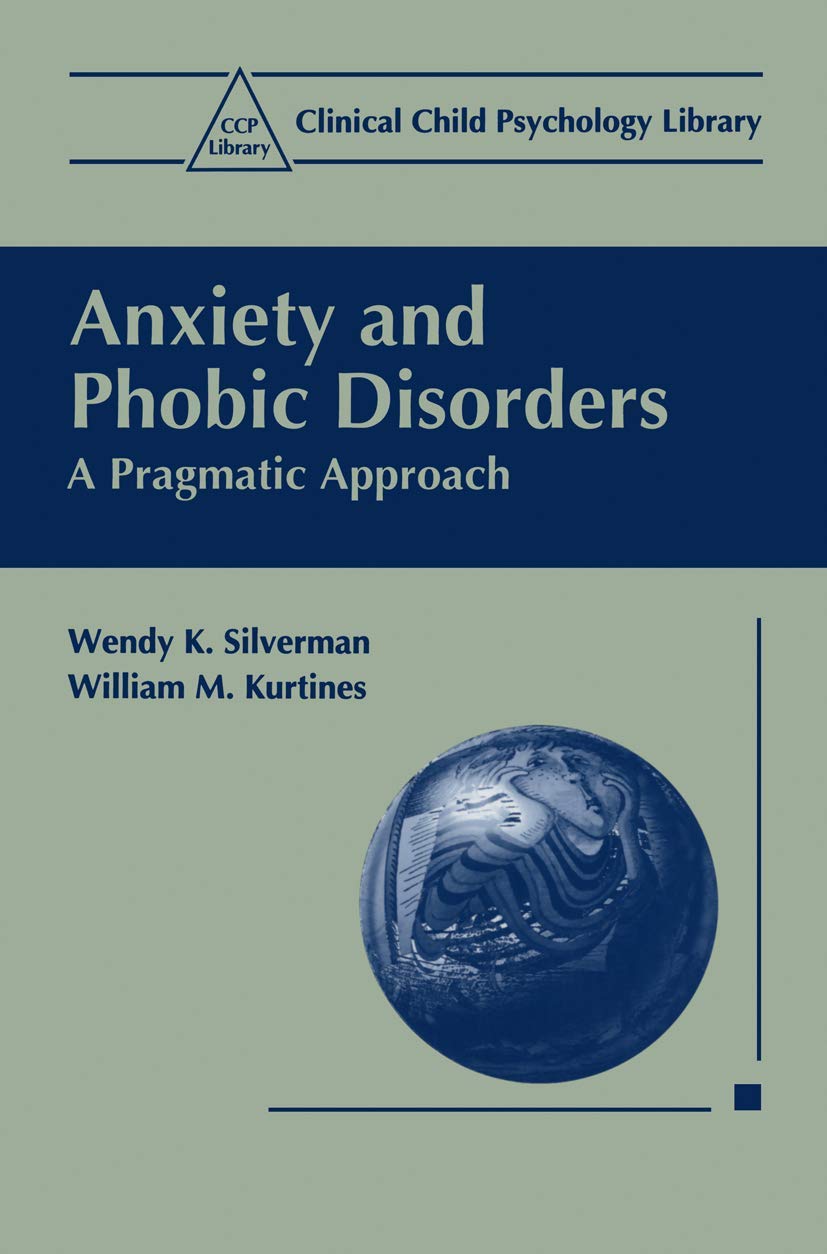
Anxiety and Phobic Disorders: A Pragmatic Approach (Clinical Child Psychology Library),New
Sold by Ergodebooks, an authorized reseller.
Returns accepted within 30 days | support@ergodebooks.com
Shipping Information
- Free Standard Shipping — United States only
- Processing Time: 3–5 business days
- Estimated Delivery: 6–10 business days after dispatch
- Double-boxed, fully insured & discreetly packaged
- Tracking number sent via email once dispatched
Returns & Refund
Returns accepted within 30 days of delivery.
Damaged or Defective Item
Free return shipping + replacement or full refund
Wrong Item Received
Free return shipping + replacement or full refund
Change of Mind
Return shipping at customer's expense · 25% restocking fee applies
Payment Option

For many years, anxiety and phobie disorders ofchildhoodand adolescence were ignored by clinicians and researchers alike. They were viewed as largely benign, as problems that were relatively mild, agespecific, and transitory. With time, it was thought, they would simply disappear or 'go away'that the child or adolescent would magically 'outgrow' them with development and that they would not adversely affect the growing child or adolescent. As a result ofsuch thinking, it was concluded that these 'internalizing' problems were not worthy or deserving of our concerted and careful attentionthat other problems of childhood and adolescence and, in particular, 'externalizing' problems such as conduct disturbance, oppositional defiance, and attentiondeficit problems de manded our professional energies and resources. These assumptions and asser tions have been challenged vigorously in recent years. Scholarly books (King, Hamilton, & Ollendick, 1988; Morris & Kratochwill, 1983) have documented the considerable distress and misery associated with these disorders, while reviews ofthe literature have demonstrated that these disorders are anything but transitory; for a significant number of youth these problems persist into late adolescence and adulthood (Ollendick & King, 1994). Clearly, such findings signal the need for treatment programs that 'work'programs that are effective in the short term and efficacious over the long haul, producing effects that are durable and generalizable, as weil as effects that enhance the life functioning of children and adolescents and the families that evince such problems.
⚠️ WARNING (California Proposition 65):
This product may contain chemicals known to the State of California to cause cancer, birth defects, or other reproductive harm.
For more information, please visit www.P65Warnings.ca.gov.