
Title
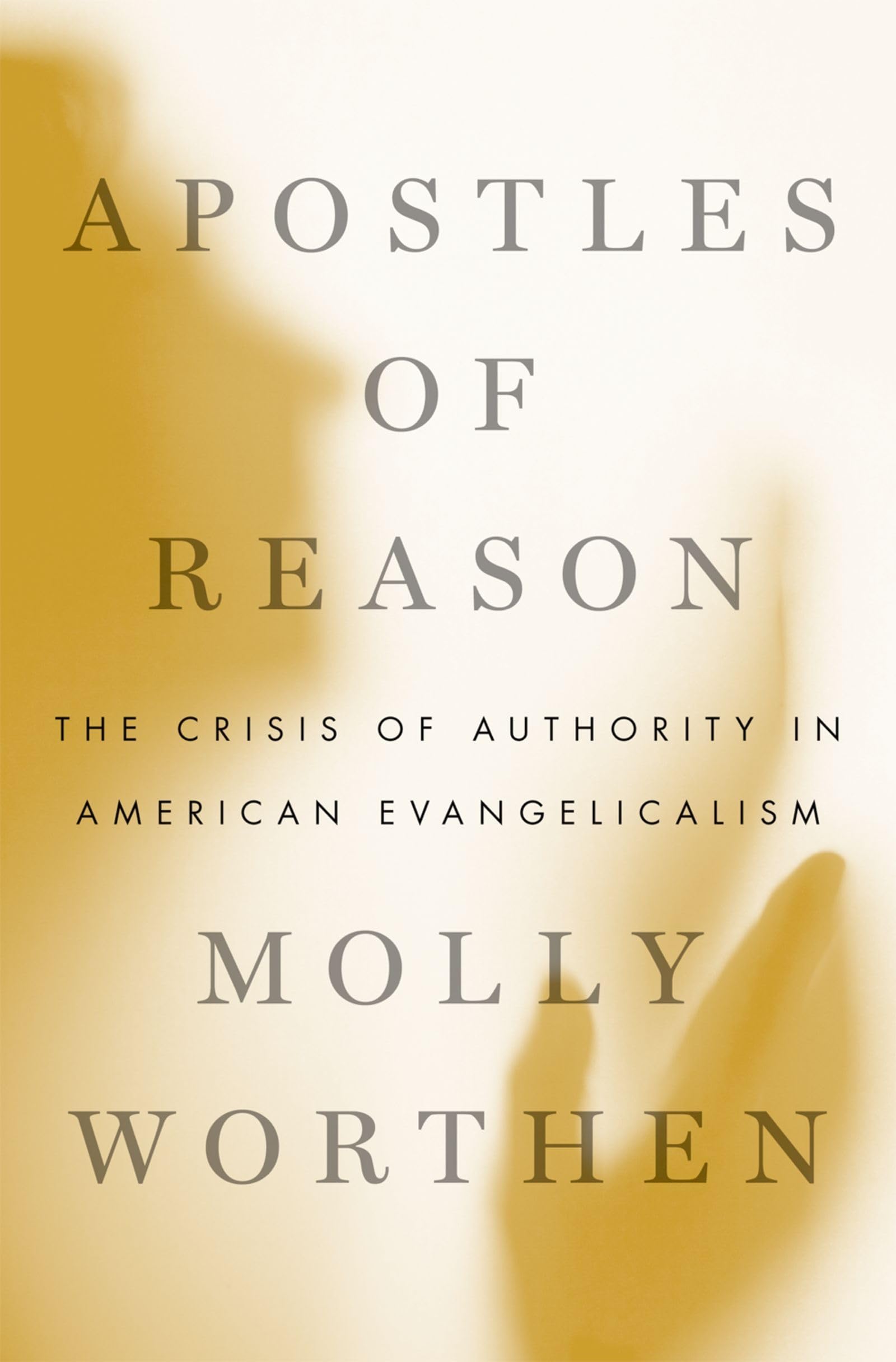
Apostles of Reason: The Crisis of Authority in American Evangelicalism,Used
Sold by Ergodebooks, an authorized reseller.
Returns accepted within 30 days | support@ergodebooks.com
Shipping Information
- Free Standard Shipping — United States only
- Processing Time: 3–5 business days
- Estimated Delivery: 6–10 business days after dispatch
- Double-boxed, fully insured & discreetly packaged
- Tracking number sent via email once dispatched
Returns & Refund
Returns accepted within 30 days of delivery.
Damaged or Defective Item
Free return shipping + replacement or full refund
Wrong Item Received
Free return shipping + replacement or full refund
Change of Mind
Return shipping at customer's expense · 25% restocking fee applies
Payment Option

Evangelical Christianity is a paradox. Evangelicals are radically individualist, but devoted to community and family. They believe in the transformative power of a personal relationship with God, but are wary of religious enthusiasm. They are deeply skeptical of secular reason, but eager to find scientific proof that the Bible is true.In this groundbreaking history of modern American evangelicalism, Molly Worthen argues that these contradictions are the products of a crisis of authority that lies at the heart of the faith. Evangelicals have never had a single authority to guide them through these dilemmas or settle the troublesome question of what the Bible actually means. Worthen chronicles the ideological warfare, institutional conflict, and clashes between modern gurus and maverick disciples that lurk behind the more familiar narrative of the rise of the Christian Right. The result is an ambitious intellectual history that weaves together stories from all corners of the evangelical world to explain the ideas and personalitiesthe scholarly ambitions and antiintellectual impulsesthat have made evangelicalism a cultural and political force.In Apostles of Reason, Worthen recasts American evangelicalism as a movement defined not by shared doctrines or politics, but by the problem of reconciling head knowledge and heart religion in an increasingly secular America. She shows that understanding the rise of the Christian Right in purely political terms, as most scholars have done, misses the heart of the story. The culture wars of the late twentieth century emerged not only from the struggle between religious conservatives and secular liberals, but also from the civil war within evangelicalism itselfa battle over how to uphold the commands of both faith and reason, and how ultimately to lead the nation back onto the path of righteousness.
⚠️ WARNING (California Proposition 65):
This product may contain chemicals known to the State of California to cause cancer, birth defects, or other reproductive harm.
For more information, please visit www.P65Warnings.ca.gov.