
Title
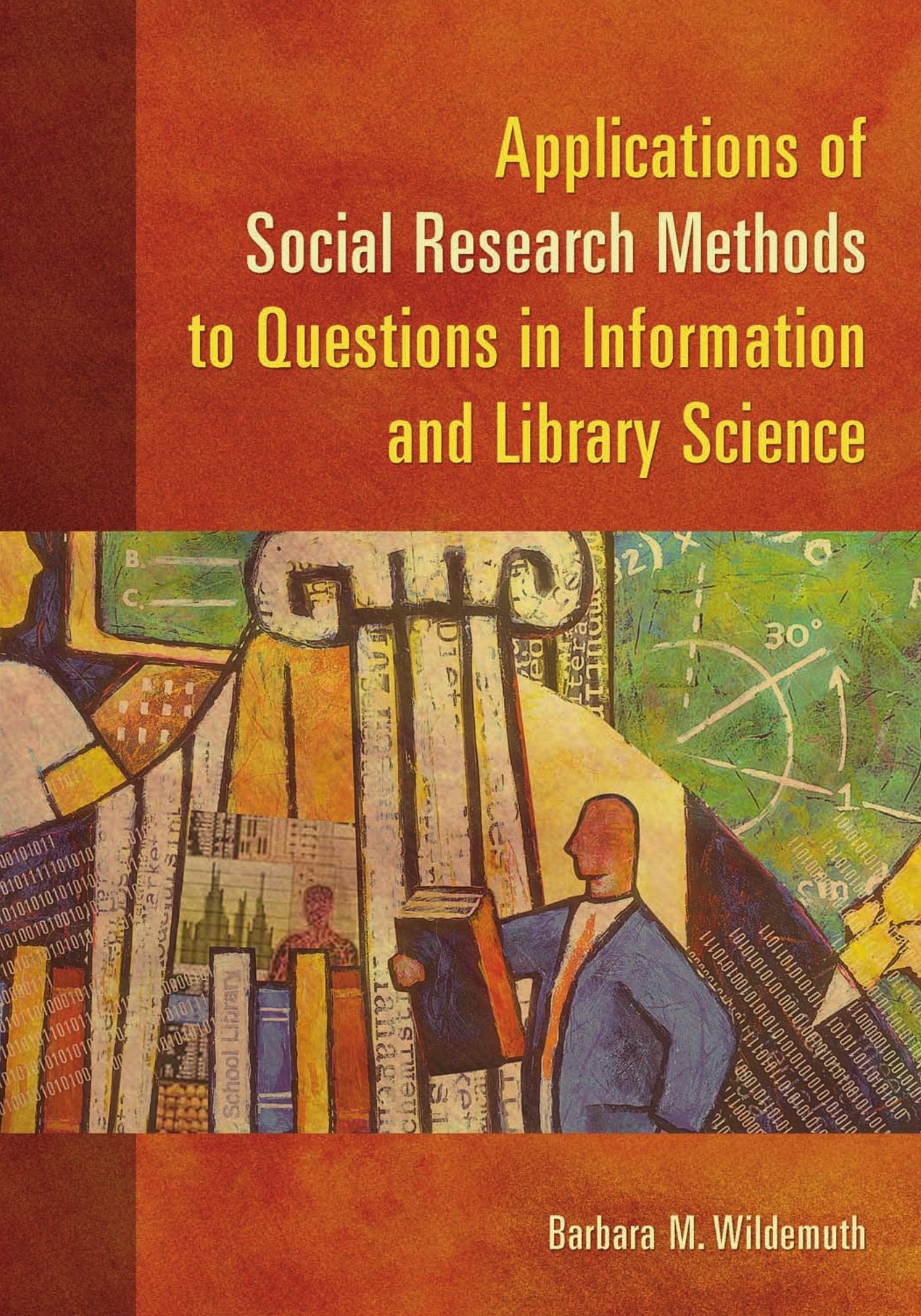
Applications of Social Research Methods to Questions in Information and Library Science,Used
Sold by Ergodebooks, an authorized reseller.
Returns accepted within 30 days | support@ergodebooks.com
Shipping Information
- Free Standard Shipping — United States only
- Processing Time: 3–5 business days
- Estimated Delivery: 6–10 business days after dispatch
- Double-boxed, fully insured & discreetly packaged
- Tracking number sent via email once dispatched
Returns & Refund
Returns accepted within 30 days of delivery.
Damaged or Defective Item
Free return shipping + replacement or full refund
Wrong Item Received
Free return shipping + replacement or full refund
Change of Mind
Return shipping at customer's expense · 25% restocking fee applies
Payment Option

For many practitioners, best practices are often developed through significant amounts of direct experience. However, they can also be developed through the examination and application of research findings. By critically assessing existing studies within library and information science, both aspiring and experienced professionals can acquire a deeper understanding of available methods, as well as design more effective studies. In what is surely the first of its kind for librarians, Barbara Wildemuth has created a book that mirrors the process of conducting a research study; at the same time, she exposes the reader to a wealth of competing and complementary techniques. Each chapter introduces a particular research method, points out its relative strengths and weaknesses, and provides a critique of two or more exemplary studies. An invaluable guide for librarians, educators and students alike.Section One considers those research questions most often asked in the field of information and library science, and explains how they can arise from practice and direct observation or from existing theories. Section Two covers a variety of research designs, as well as the sampling issues associated with those designs: case studies, naturalistic research, longitudinal studies, Delphi studies, and quasiexperimental and experimental designs. Section Three moves on to methods for collecting data: surveys, various types of interviews, historical and documentary studies, transaction log analysis, diaries, and participant observation. It concludes with a chapter discussing the ways in which any of these methods might be combined for use in a particular study.
⚠️ WARNING (California Proposition 65):
This product may contain chemicals known to the State of California to cause cancer, birth defects, or other reproductive harm.
For more information, please visit www.P65Warnings.ca.gov.