
Title
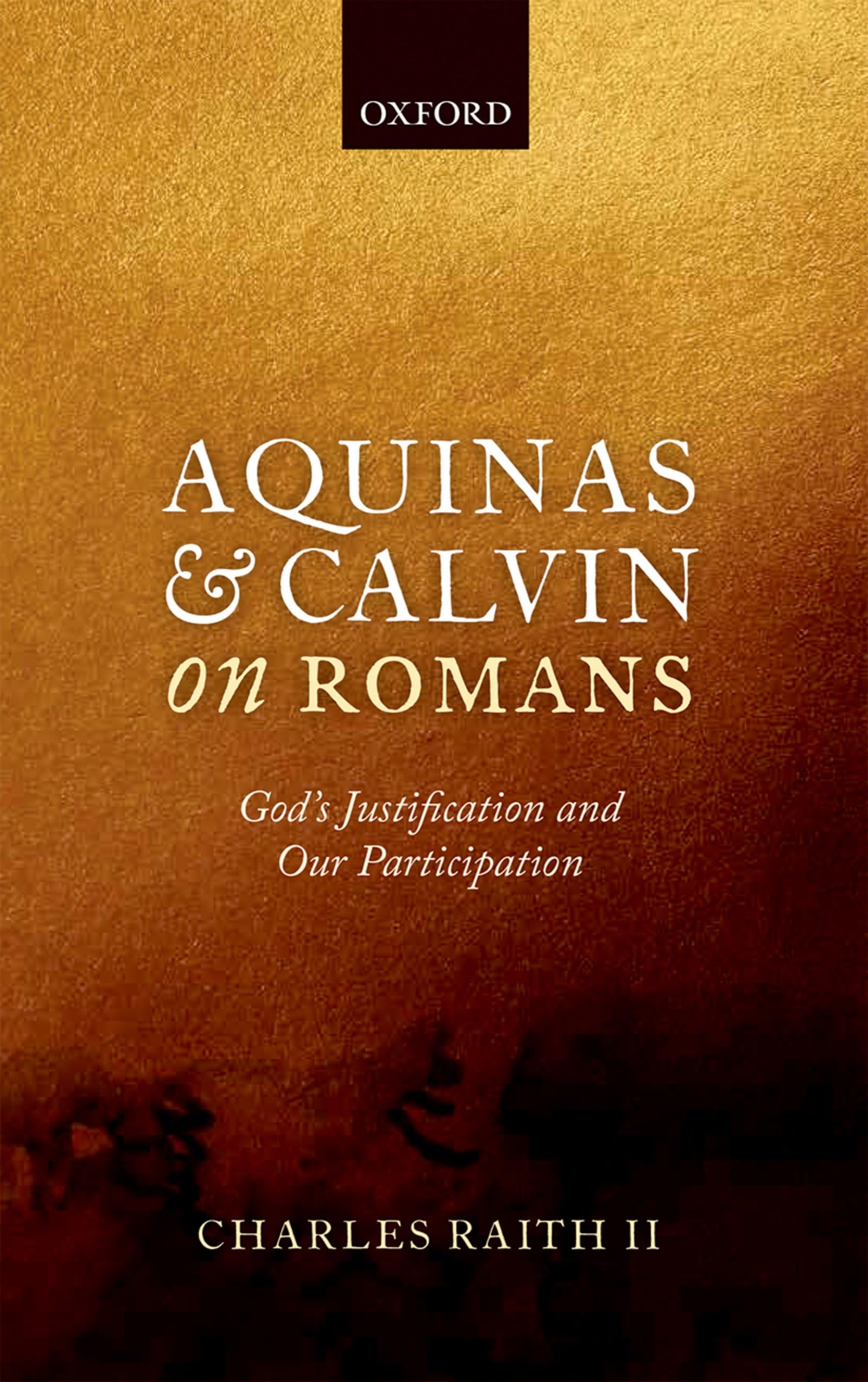
Aquinas and Calvin on Romans: God's Justification and Our Participation,Used
Sold by Ergodebooks, an authorized reseller.
Returns accepted within 30 days | support@ergodebooks.com
Shipping Information
- Free Standard Shipping — United States only
- Processing Time: 3–5 business days
- Estimated Delivery: 6–10 business days after dispatch
- Double-boxed, fully insured & discreetly packaged
- Tracking number sent via email once dispatched
Returns & Refund
Returns accepted within 30 days of delivery.
Damaged or Defective Item
Free return shipping + replacement or full refund
Wrong Item Received
Free return shipping + replacement or full refund
Change of Mind
Return shipping at customer's expense · 25% restocking fee applies
Payment Option

Aquinas and Calvin on Romans is a comparative study of John Calvin's and Thomas Aquinas's commentaries on the first eight chapters of Paul's letter to the Romans. Focusing on the role of human participation in God's work of salvation, Charles Raith argues that Calvin's critiques of the "schoolmen" arising from his reading of Romans fail to find a target in Aquinas's theology while Calvin's principal positive affirmations are embraced by Aquinas as well. Aquinas upholds many fundamental insights that Calvin would later also obtain in his reading of Romans, such as justification sola fide non merito (by faith alone and not by merit), the centrality of Christ for salvation, the ongoing imperfection of the sanctified life, the work of the Spirit guiding the believer along the path of sanctification, and the assurance of salvation that one obtains through the indwelling of the Spirit, to name only a few. Even more, numerous identical interpretations arising in their commentaries makes it necessary to consider Calvin's reading of Romans as appropriating a tradition of interpretation that includes Aquinas. At the same time, the nonparticipatory dimensions of Calvin's reading of Romans becomes clear when set beside Aquinas's reading, and these nonparticipatory dimensions create difficulties for Calvin's interpretation, especially on Romans 8, that are not present in Aquinas's account. Raith therefore suggests how Calvin's reading of Romans, especially as it pertains to justification and merit, should be augmented by the participatory framework reflected in Aquinas's interpretation. The book concludes by revisiting Calvin's criticisms of the Council of Trent in light of these suggestions.
⚠️ WARNING (California Proposition 65):
This product may contain chemicals known to the State of California to cause cancer, birth defects, or other reproductive harm.
For more information, please visit www.P65Warnings.ca.gov.