
Title
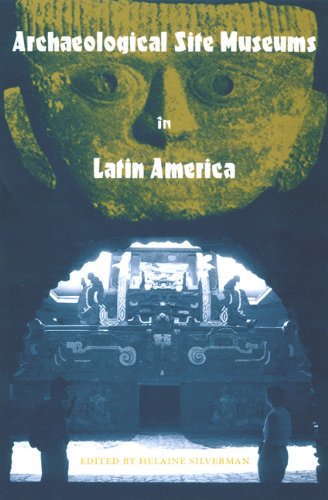
Archaeological Site Museums in Latin America (Cultural Heritage Studies),Used
Sold by Ergodebooks, an authorized reseller.
Returns accepted within 30 days | support@ergodebooks.com
Shipping Information
- Free Standard Shipping — United States only
- Processing Time: 3–5 business days
- Estimated Delivery: 6–10 business days after dispatch
- Double-boxed, fully insured & discreetly packaged
- Tracking number sent via email once dispatched
Returns & Refund
Returns accepted within 30 days of delivery.
Damaged or Defective Item
Free return shipping + replacement or full refund
Wrong Item Received
Free return shipping + replacement or full refund
Change of Mind
Return shipping at customer's expense · 25% restocking fee applies
Payment Option

Some of the greatest archaeological sites in the world are found in Latin America, and archaeological tourism is widely touted as a solution to the poverty that plagues much of this region. Site museums are playing an important role in the presentation of these finds to the public. Whether created by national agencies, by the archaeologists working at these sites, or in response to local peoples awareness of the potential development and economic benefits of tourism, site museums are major educational venues, promoting a sense of ownership of the past among resident or nearby populations, as well as greater local interest in cultural heritage and its preservation. At the same time, they constitute a major heritage management strategy; they can mitigate looting and site destruction, thereby serving as a first line of defense in site preservation. Archaeological Site Museums in Latin America is the first edited volume to deal with archaeological site museums. Complicated on many levels, the creation of a site museum is addressed in thirteen case studies by the contributors to this how to, what to expect, and what not to primer. Nine of the authors have actually built or rehabilitated site museums and/or created a development project at one. Their undertakings have involved significant interaction with the local community in a highly equitable rather than topdown endeavor. This handbook for archaeologists and heritage managers can readily be incorporated into museum, heritage, and ethics courses, and actual field strategies.
⚠️ WARNING (California Proposition 65):
This product may contain chemicals known to the State of California to cause cancer, birth defects, or other reproductive harm.
For more information, please visit www.P65Warnings.ca.gov.